





The Golden Age of the Big Bundle
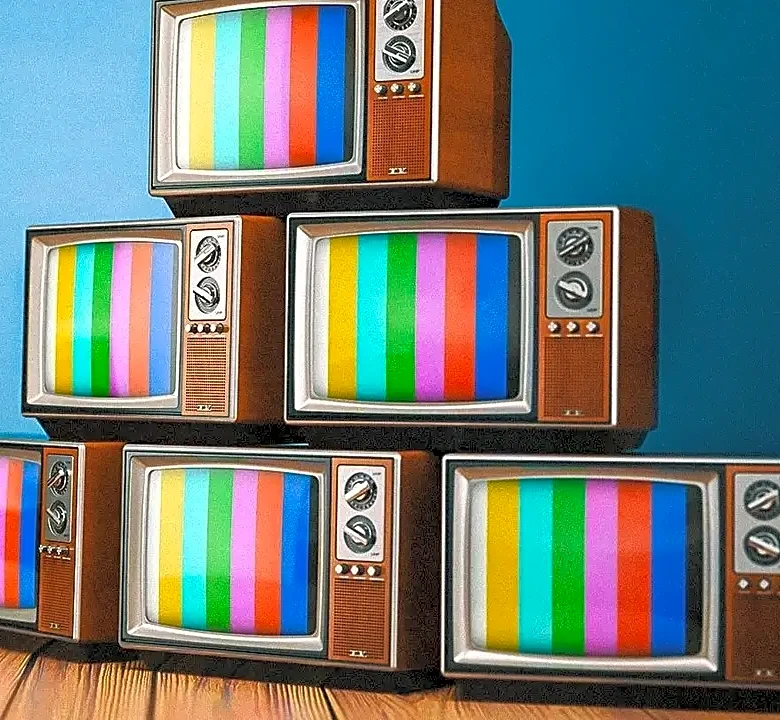
For years, the logic of cable television was simple: more is more. Cable providers bundled hundreds of channels together into a single, expensive package. You paid for 200 channels just to watch five. This "peak bundle" model was incredibly lucrative.
It forced niche channels and powerhouse networks alike into a system where subscription fees and broad-strokes advertising were king. The commissioning logic was equally straightforward. Networks greenlit shows designed to capture the widest possible audience in a key demographic, like adults 18-49. Success was measured by overnight ratings and ad sales. It was a stable, predictable, and wildly profitable ecosystem that seemed, for a time, unbreakable.
The Streaming Disruption
Then came the disruption, led by streaming services that offered a radical alternative: choice. Instead of one giant, inflexible package, viewers could subscribe to specific services, watch entire seasons at once, and do it all without commercials. This model, pioneered by companies like Netflix, shattered the old way of doing business. As viewers began "cutting the cord" in droves, the bloated bundle started to look less like a fortress and more like a liability. The frustration with high prices and a lack of flexibility drove consumers away. For the first time, the linear TV model, which includes broadcast and cable, saw its share of total viewing dip below 50%. Cable companies were bleeding subscribers, and the old commissioning playbook was becoming obsolete overnight.
Cable's Answer: The Hybrid Package
Backed into a corner, the cable industry didn't just surrender; it adapted. The result is the “hybrid package” that defines the 2026 television landscape. It’s not one single product, but a strategic blend of services designed to stop the bleeding. These packages often feature a smaller, cheaper “skinny bundle” of essential live channels, combined with the provider’s own streaming services and, increasingly, integrated access to FAST (Free Ad-Supported Streaming Television) channels. FAST platforms like Pluto TV and Tubi offer a familiar, channel-surfing experience for free, funded entirely by ads, making them a powerful tool for retaining price-sensitive customers. This hybrid approach allows providers to transform their broadband service from a simple utility into a more valuable entertainment hub.
The New Rules of Greenlighting
This new business model required a completely new commissioning logic. Greenlighting a show is no longer just about filling a timeslot. Today's decisions are multi-platform and data-driven. Instead of relying on broad demographics, executives now use granular analytics from their streaming and on-demand platforms to decide what gets made. The key question has shifted from "Will this get good ratings on Tuesday night?" to "Will this show convince a subscriber not to cancel their entire package?" A show must now justify its existence across multiple formats. It might premiere on a linear channel to attract older viewers, live on a subscription streaming app to drive engagement, and have its back catalog licensed to a FAST channel to generate ad revenue. Budgets have also become more flexible; networks are trimming episode orders and investing in shorter, more contained seasons that emulate the streaming model. This new logic prioritizes global appeal and long-term library value over the immediate hit.