
Why Texture Is the New Frontier
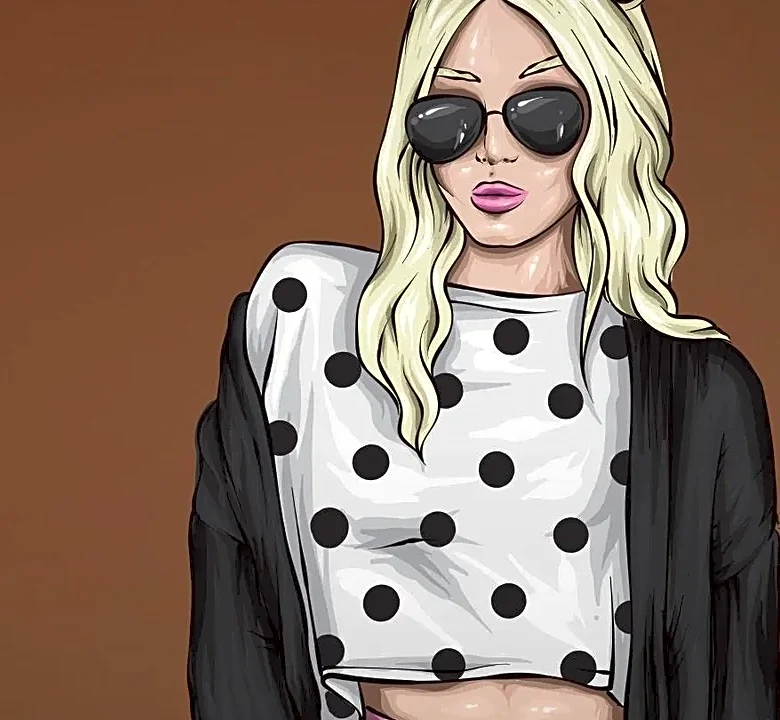
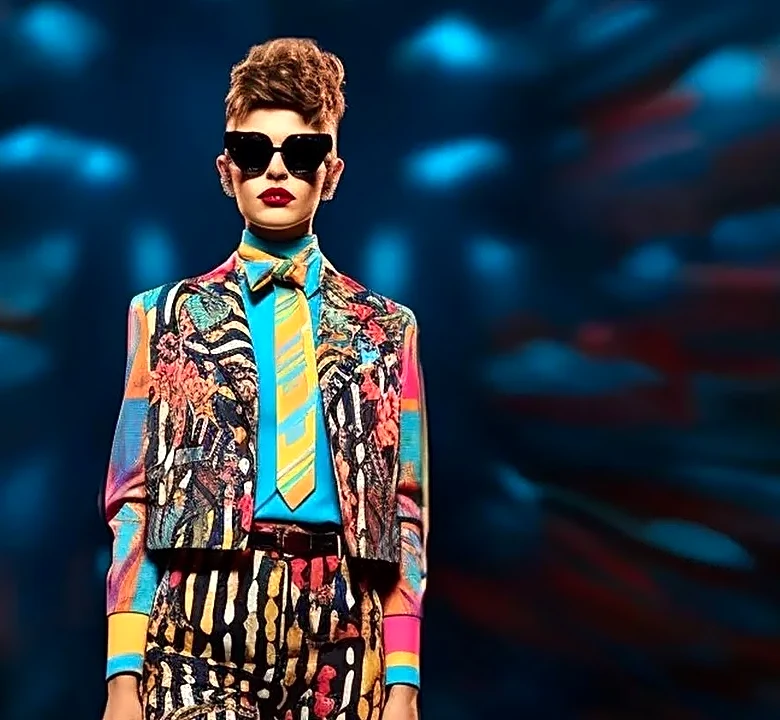
For years, bold prints and logos have been a go-to for designers looking to make an immediate statement. But as consumers seek more subtlety and longevity in their wardrobes, texture has emerged as a more sophisticated language. Unlike a seasonal print,
a rich texture—be it a nubby bouclé, a crisp linen, or a structured knit—engages both sight and touch, adding a layer of perceived quality and luxury. This shift is about creating an emotional connection through the feel of a garment against the skin. It communicates craftsmanship and intention, suggesting a product that is built to last beyond a single trend cycle. By focusing on the fabric's surface quality, a brand can build a narrative of quiet confidence and enduring style.
Auditing Your Brand's DNA
Before abandoning prints, a brand must ensure the move aligns with its core identity. A shift to texture isn't just a design choice; it's a strategic pivot. Ask critical questions: Is our brand about quiet luxury or bold expression? Does our customer value tactile experience and craftsmanship? For a label built on loud, graphic streetwear, a sudden switch to minimalist, textured basics could alienate its base. However, if the brand already leans toward quality materials and classic silhouettes, amplifying texture is a natural evolution. The goal is to enhance the brand’s story, not rewrite it entirely. This move works best when it feels like a maturation of the brand's existing message, speaking to a customer who appreciates depth and dimension in their clothing.
Building a Tactile Material Library
Making texture the star requires a deep commitment to sourcing and development. This starts with building a comprehensive material library. Instead of searching for patterns, design teams must now hunt for compelling surfaces: ribbed knits, puckered seersuckers, manipulated pleats, and intricate jacquards. This requires forging relationships with mills that specialize in innovative weaves and finishes. The library should be a physical and digital resource, cataloging everything from drape and weight to how a fabric interacts with light. It becomes the foundational toolbox for designers, allowing them to think about how different textures can play off each other—pairing a smooth, fluid silk with a rough, structured tweed, for example—to create visual and sensory interest within a collection.
Designing for Dimension, Not Decoration
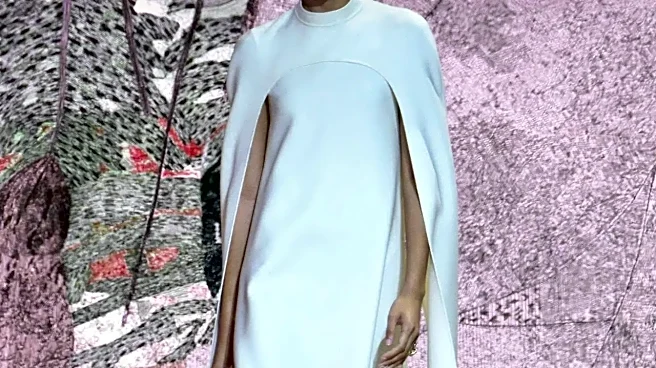
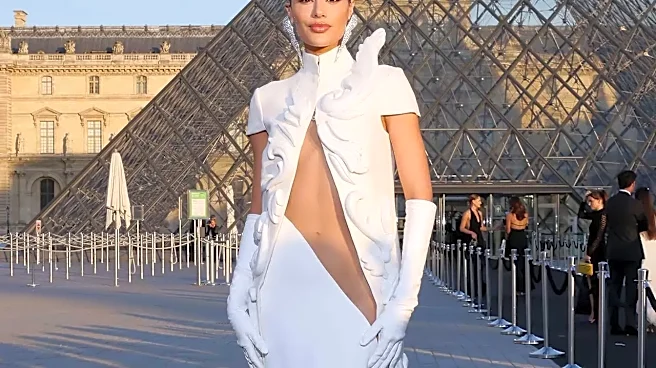
When texture leads, silhouette and construction must follow. A complex texture can be lost in an overly complicated design; conversely, a simple shape can become extraordinary when rendered in a unique material. Designers must shift their focus from applying pattern to a flat surface to sculpting with fabric itself. This means considering how a heavy knit will hold a structural shape or how a delicate, crinkled fabric will move with the body. Techniques like draping become more critical than digital print placement. The construction itself—the seams, the cut, the finishing—must be impeccable, as texture draws the eye closer and invites scrutiny. The garment’s beauty comes from its inherent material quality, not from an applied decoration.
Marketing a Feeling in a Digital World
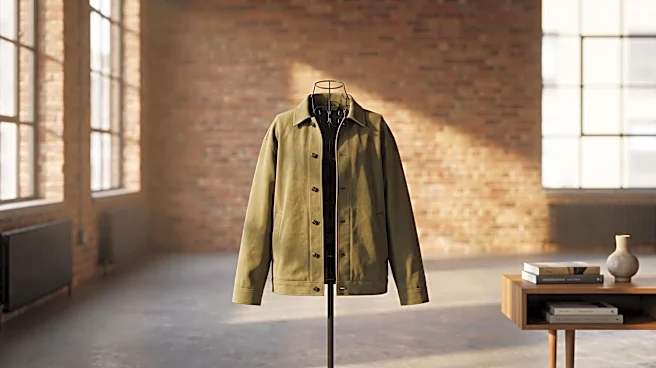
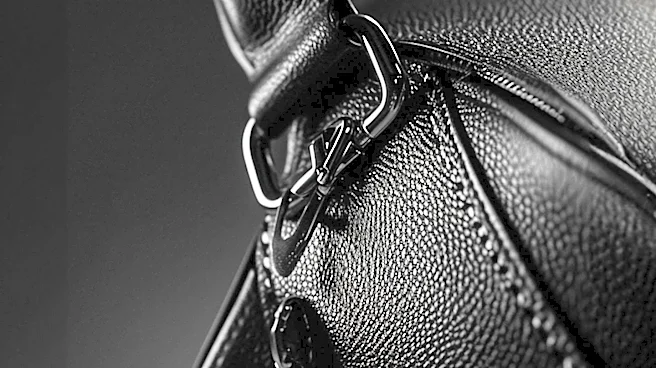
Selling texture presents a unique challenge, especially online where customers can't touch the product. Marketing has to evolve to sell a feeling. High-resolution photography that captures the play of light and shadow on a fabric's surface is essential. Close-up shots and video content showing how the garment moves can help convey its tactile nature. Product descriptions need to be more evocative, using sensory language to describe a fabric’s feel—'buttery soft,' 'crisp and cool,' 'structured and substantial.' In-store, the advantage is clear: customers can experience the materials firsthand. For e-commerce, liberal return policies and even swatch programs can bridge the gap, allowing consumers to feel the quality before committing. The key is to translate the physical experience into a compelling digital narrative.