







The Simple Math of 'Cost-Per-Wear'
Before we get to the buttery leather and timeless style, let's talk about a simple but transformative concept: Cost-Per-Wear (CPW). The formula is basic: take the price of an item and divide it by the number of times you wear it. This single calculation
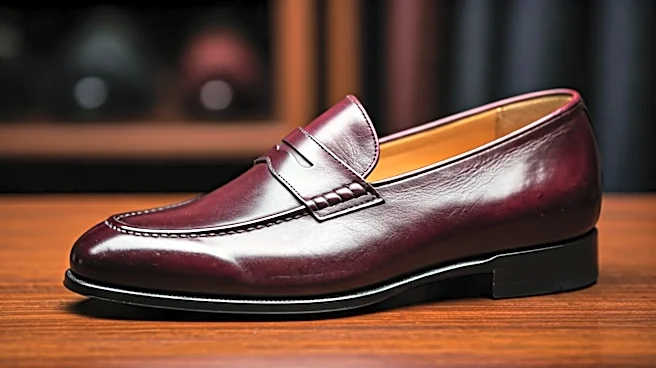
reframes a purchase from a one-time expense into a long-term investment in your life and wardrobe. Imagine you buy a pair of trendy, cheaply made sneakers for $60. They look good for a few months, but the sole starts flapping and the synthetic materials crack after about 30 wears. Your cost-per-wear is $2. Now, consider that pair of $400 Italian loafers. If you wear them twice a week for just two years, you’re already at 208 wears. Your cost-per-wear has dropped to $1.92. Wear them for five years, and the number plummets. This isn't just a mental trick; it's the fundamental economics of quality.
The Loafer as a Perfect Case Study
So why are Italian loafers the poster child for this principle? It comes down to three things: materials, construction, and design. First, the materials. True Italian loafers are typically crafted from full-grain calfskin or suede. Unlike cheap, corrected-grain leather, which is often coated in plastic, full-grain leather is the real deal. It’s breathable, durable, and develops a beautiful, unique patina over time. It molds to your foot, becoming more comfortable with every wear, not less. Second, the construction. Quality loafers are often made with a Blake stitch or a Goodyear welt. These are traditional shoemaking techniques that stitch the sole to the upper, rather than just gluing it. What does that mean for you? When the sole inevitably wears down after years of use, a good cobbler can simply remove it and attach a new one. The shoe is literally built to be repaired and reborn, extending its life from a single season to a decade or more. This is the opposite of a disposable product. Finally, the design is timeless. A classic penny or tassel loafer has been stylish for nearly a century. It’s not a fleeting trend that will look ridiculous in six months. You can wear them with jeans, chinos, or a suit, making them one of the most versatile items in any wardrobe.
Escaping the Fast Fashion Trap
The cost-per-wear logic provides a clear path out of the fast fashion cycle. That cycle is built on the illusion of savings. We buy cheap clothes and shoes because they feel like a bargain, but we're forced to replace them constantly. It’s a treadmill of consumption that clutters our closets, drains our bank accounts, and fills landfills. Choosing a well-made item is a deliberate act of rejection against this model. It’s a vote for durability over disposability. The initial cost is higher, yes, but you’re buying yourself out of the need to shop for that same category of item for years to come. You’re not just purchasing a product; you’re purchasing peace of mind and an end to the constant, low-grade anxiety of a wardrobe full of things that are about to fall apart.
It’s a Mindset, Not Just a Shoe
Ultimately, the argument for investing in a pair of Italian loafers isn’t just about the loafers themselves. It’s about adopting a new way of thinking about the things we own. It’s about shifting from a mindset of quantity to one of quality, from consumption to curation. This logic applies everywhere. A well-made wool coat that keeps you warm for 15 winters. A classic cast-iron skillet that will outlive you. A piece of solid wood furniture that can be passed down. In a world that pushes us to buy more, faster, and cheaper, the most radical act can be to buy something once, and buy it right. It’s a commitment to your own personal style, your financial well-being, and a more sustainable way of living. The loafers are just a very stylish first step.