


A Tool, Not Just an Ornament
The most obvious function of a watch is, of course, telling time. But its utility goes deeper than that. In an era where pulling out your phone to check the hour can lead you down a rabbit hole of notifications and emails, a watch is a single-purpose
tool. A quick glance at your wrist is discreet and efficient, whether you're in a meeting, on a date, or simply trying to stay present. It’s a small act of rebellion against the constant digital distraction that smartphones invite. This isn’t about being a Luddite; it’s about control. A watch gives you the information you need without demanding anything else in return, keeping you anchored in the moment.
It Signals Intentionality
Because nobody needs a watch to tell time anymore, wearing one has become a deliberate choice. It signals that you value craftsmanship, design, and history. A stack of bracelets, while expressive, can sometimes feel like an accumulation of trends. A watch, however, is often a more considered purchase. It reflects your taste, your priorities, and even your aspirations. It says you’ve thought about the details. Research suggests that the simple act of wearing a watch is a social marker for conscientiousness—a trait associated with being reliable and paying attention to detail. It’s a piece of your personal brand that communicates competence without saying a word.
A Different Kind of Conversation Starter
While a colorful bracelet stack might earn a compliment, a unique watch often invites a better story. It might be a family heirloom passed down through generations, a gift marking a major life achievement, or a vintage find with a mysterious past. These stories create genuine points of connection. Asking 'Where did you get your watch?' can open a door to a personal narrative in a way that commenting on a generic beaded bracelet rarely does. It’s an accessory that carries its history with it, making it an artifact of your life, not just a component of your outfit.
It Anchors Your Style
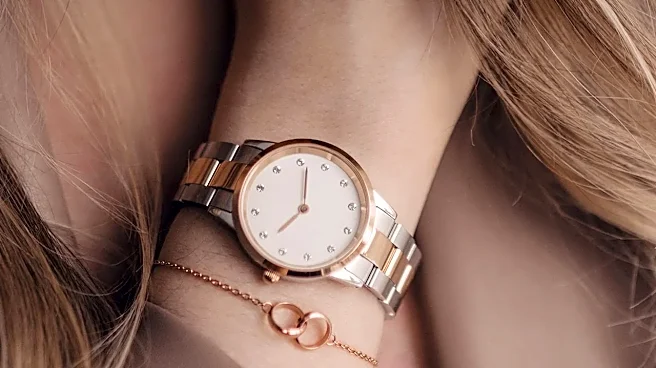
From a purely aesthetic standpoint, a watch serves as a powerful anchor for your entire look. While a jumble of bracelets can sometimes create visual clutter, a watch provides a single, definitive focal point. Its structure—the case, the dial, the strap—adds a touch of architectural elegance that softer accessories lack. This doesn't mean you can't wear bracelets; in fact, stylists often recommend using a watch as the 'statement piece' and layering a couple of thinner, complementary bracelets around it. The watch provides the foundation, ensuring the overall look feels cohesive and intentional, rather than chaotic.
An Enduring Investment
Fashion trends are notoriously fleeting. The chunky, bohemian bracelet stacks of a few years ago have already evolved into more minimalist, curated layers. A well-made watch, on the other hand, is timeless. Whether it’s a rugged diver, a sleek dress watch, or a classic field watch, its design principles are built to last for decades, not just a season. While a trendy bracelet might feel dated in a year or two, a quality timepiece is a long-term investment in your personal style. It’s a durable companion that, with care, can last a lifetime—something that can’t be said for most fast-fashion accessories.