




A Spinoff with Shaky Confidence
Before it was an icon, Laverne & Shirley was a spinoff. Born from a wildly popular 1975 episode of Happy Days, the show starring Penny Marshall and Cindy Williams had a built-in audience. But that didn't translate to internal confidence. Michael McKean,
who played the unforgettable neighbor Lenny, recalled Cindy Williams being so sure of its failure during the first taping that she was already brainstorming their next venture. "Cindy is saying, 'You know, this probably won't go, but we're really having a great time. Let's open a car wash or something,'" McKean recounted. Williams herself admitted to being terrified, certain the show was destined to "go into the toilet." Their fears were rooted in the whirlwind nature of the show's creation and the pressure of living up to its parent program.
An Unlikely Formula for a #1 Hit
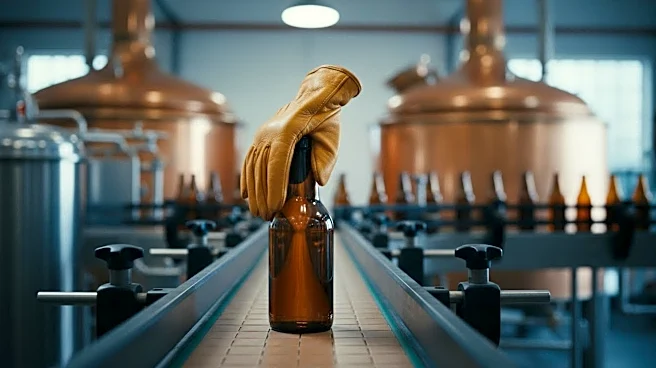
The doubts were, of course, famously unfounded. Laverne & Shirley premiered in January 1976 and became an instant phenomenon, at one point becoming the first show to debut at number one in the ratings. By its third and fourth seasons, it was the most-watched program in America. The secret wasn't just the Happy Days connection; it was the groundbreaking focus on two single, working-class women navigating life with humor and resilience. Laverne DeFazio and Shirley Feeney were not glamorous, wealthy, or career-obsessed in the way female characters were often portrayed. They were bottle-cappers at a Milwaukee brewery, a premise that resonated deeply with blue-collar America. The show's mix of slapstick physical comedy, genuine heart, and the undeniable chemistry between Marshall and Williams created a television force.
The Cracks Beneath the Success
Even as the show dominated the airwaves, internal pressures made its longevity feel precarious to those on the inside. From early on, there were creative disagreements. Cindy Williams felt her character, the idealistic Shirley, was often underdeveloped compared to Penny Marshall's more cynical and easily written Laverne. The frustration grew so intense that Williams briefly walked off the set during the first season, demanding changes to the writing staff to create more balance. While Marshall later downplayed rumors of a major feud as overblown, she acknowledged the natural arguments that arise from working so closely for eight years. These tensions, coupled with the overwhelming pressure of sudden fame, contributed to an environment where, despite its success, the show's future didn't always feel secure.
An Abrupt End and an Enduring Legacy
The fragility behind the scenes culminated in Williams' abrupt departure in the show's final season. Pregnant and facing contract disputes over her schedule, she left the series. Her absence was explained on-screen with a note, leaving Laverne—and the audience—to carry on without Shirley. The show lasted only one more season without its iconic duo intact. Yet, the initial doubts and later turmoil do little to diminish its legacy. For eight seasons, Laverne & Shirley was more than just a sitcom. It was a cultural touchstone that celebrated female friendship and working-class life. The theme song, "Making Our Dreams Come True," became an anthem, and the opening chant of "Schlemiel! Schlimazel! Hasenpfeffer Incorporated!" remains etched in pop culture history. The cast may have worried it wouldn't make it, but the show did more than survive—it became a classic.