

The Legacy of the Lockdown Wardrobe
It all started when our living rooms became our offices. The COVID-19 pandemic didn't just change where we worked; it fundamentally altered what we wore to do it. Professional attire took a backseat to practical comfort, and sweatpants became the unofficial
uniform of the Zoom era. But as the world reopened, a dilemma emerged. After years of prioritizing ease and softness, the idea of returning to rigid suits and restrictive clothing felt like a step backward. Yet, few wanted to bring their worn-out loungewear to the boardroom. This collective style identity crisis created a fertile ground for designers to innovate, seeking a new sartorial middle ground. Fashion’s new challenge became clear: how to bottle the feeling of comfort and sell it back to us as chic, intentional, and absolutely not sloppy.
The Rise of 'Soft Dressing'
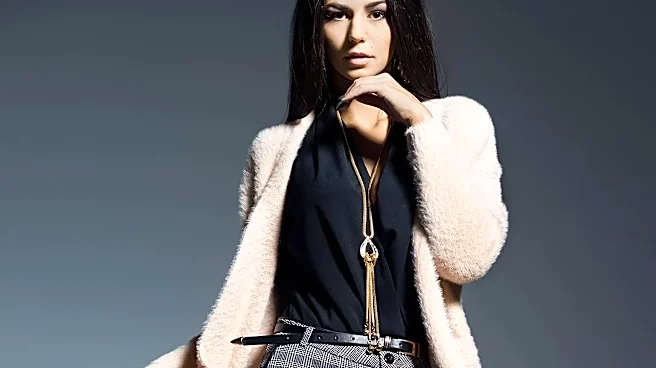
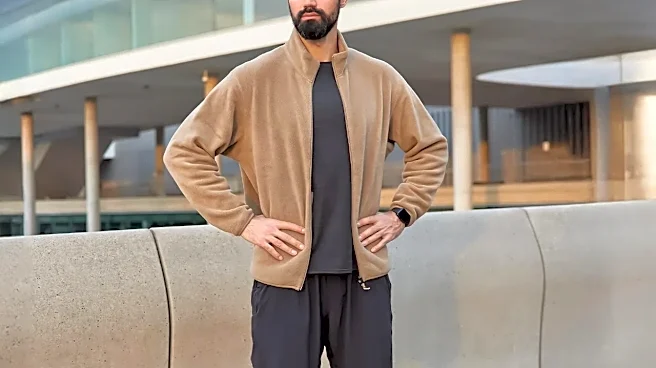
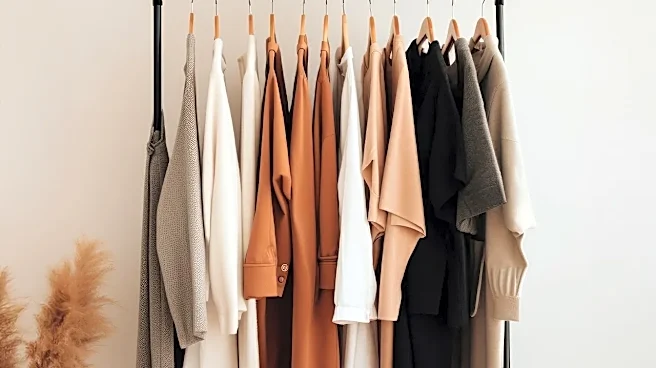
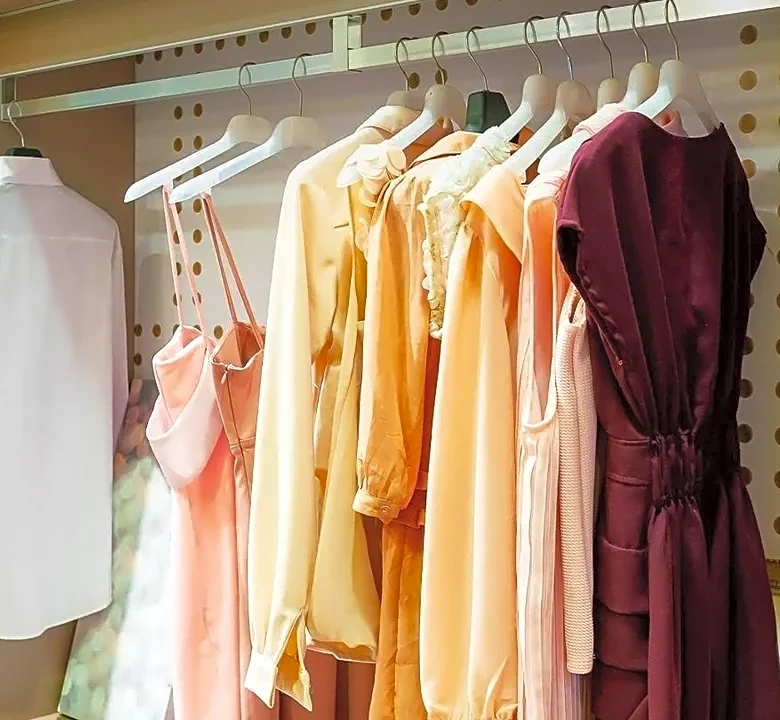
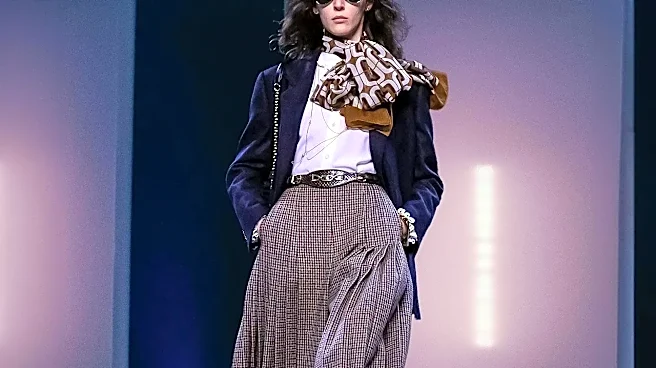
Enter the era of 'soft dressing' and 'relaxed tailoring'. This isn't about wearing pajamas in public. Instead, it’s a sophisticated reinterpretation of ease. Think of blazers without sharp, restrictive shoulders; trousers with the graceful flow of silk and wide-leg cuts; and knitwear so luxurious it feels like a hug. Recent runway collections for 2026 and 2027 have been filled with these ideas, showcasing 'soft structure' where silhouettes follow the body's natural lines rather than forcing them into a mold. Fabrics are key: cashmere, fine-gauge merino wool, Tencel, and silk blends offer a tactile sense of luxury that elevates a simple shape. The new look is fluid and forgiving, a deliberate move away from anything that feels too constricted, starched, or artificial.
It's Not Slouch, It's a Statement
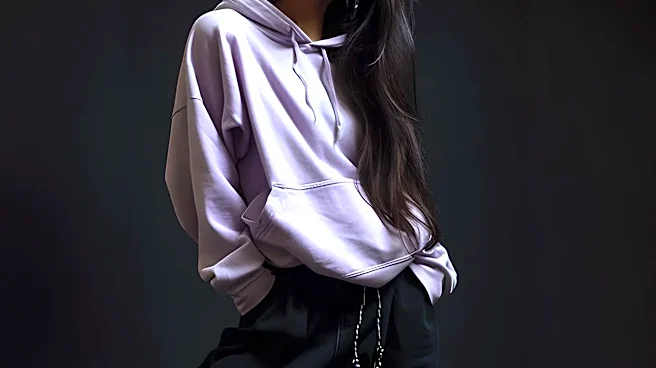
This is the crucial difference between the new relaxed aesthetic and simple slouch. True slouch is accidental—a wrinkled t-shirt, pilled sweatpants, scuffed sneakers. The new comfort, however, is deeply intentional. It’s the fashion equivalent of a 'no-makeup' makeup look. It requires thought, investment, and an understanding of silhouette. A 'slouchy' boot, for instance, is a major trend, but it's defined by soft, supple leather designed to fold naturally, not a stiff boot pretending to be relaxed. Similarly, the perfect oversized blazer drapes just so, implying ease without overwhelming the frame. This style often overlaps with the 'quiet luxury' movement, which favors high-quality, unbranded pieces over flashy logos. The message isn't laziness, but confidence. It suggests a person whose style is inherent, not performative—even though achieving this 'effortless' look takes considerable effort.
Where We Go From Here
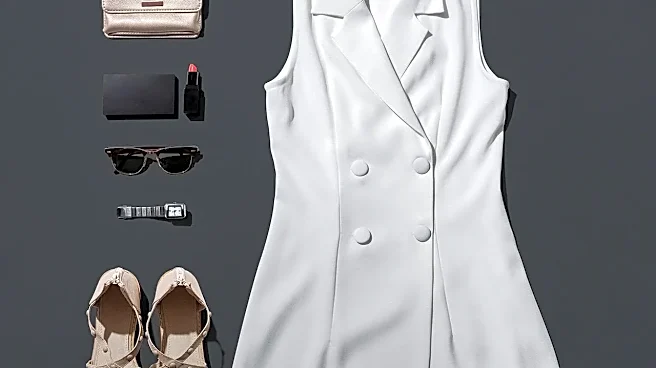
This trend isn’t just for high-fashion runways; it’s reshaping mainstream style and even corporate dress codes. Companies are increasingly abandoning rigid rules, recognizing that employees can be productive and professional without a suit and tie. The focus has shifted to looking polished and appropriate, a standard that can easily be met with dark, tailored denim, an unstructured blazer, and clean, minimalist sneakers. For the average person, embracing this shift means focusing on fabric and fit. It’s about choosing pieces that feel good on the skin and allow for movement. It’s investing in a great knit sweater that can be dressed up or down, or finding that perfect pair of wide-leg pants that feel as comfortable as sweats but look infinitely more put-together. It’s about giving yourself permission to prioritize your own physical comfort without sacrificing your sense of style.