





The Sound of We, Not Me
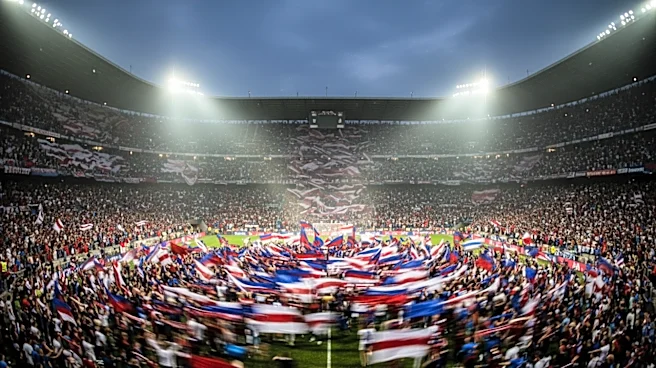
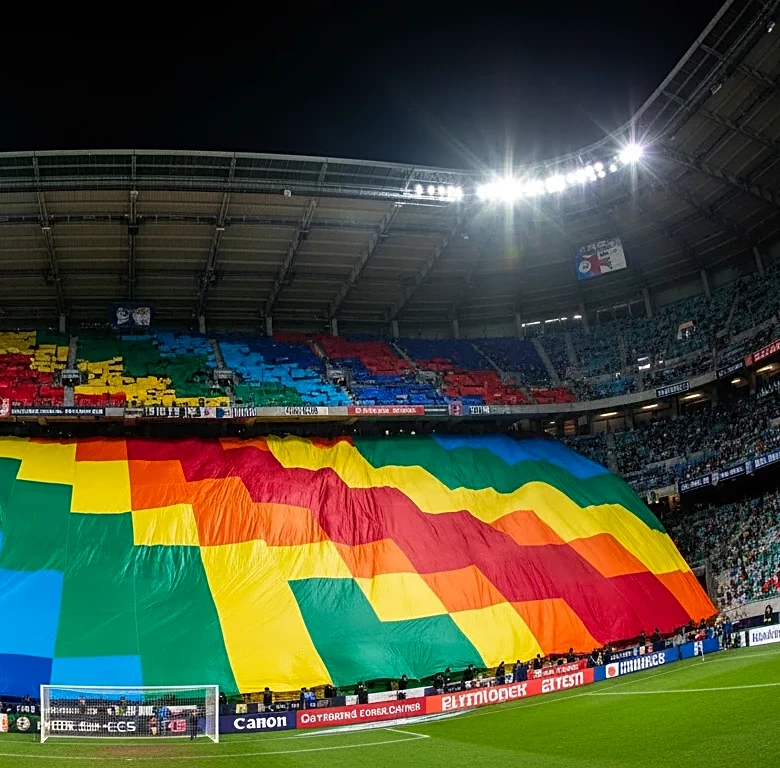
At its core, a unified chant is a powerful expression of social identity. According to social identity theory, people derive part of their self-concept from the groups they belong to. When thousands of fans chant in unison, they aren't just cheering;
they're reinforcing a collective identity. For the player on the field, this transforms the immense pressure of the moment. It’s no longer just them against the world; it’s us against them. This sense of belonging can be a powerful psychological buffer, reducing the feeling of individual responsibility and the fear of failure. Instead of carrying the weight alone, the player feels buoyed by a tribe, making bold actions feel less like a personal risk and more like a shared mission.
A Chemical Cocktail for Courage
The impact of a supportive crowd isn't just in the player's head—it's in their bloodstream. Research into the hormonal responses of athletes shows a fascinating connection between environment and biology. The roar of a supportive home crowd can be linked to changes in key hormones that regulate stress and aggression. Specifically, studies have shown that athletic competition can trigger an increase in testosterone, a hormone associated with confidence, dominance, and a willingness to take risks. Simultaneously, a positive and encouraging atmosphere can help mitigate the production of cortisol, the body’s primary stress hormone. A hostile crowd, in contrast, can cause cortisol levels to spike, leading to anxiety and a fear of making mistakes. So when a player looks braver, it may be because their body is literally producing a chemical cocktail that enhances confidence and suppresses fear.
Finding Focus in the Noise
You’d think a stadium full of screaming fans would be the ultimate distraction. And for an opposing player, it often is. But for the home-team athlete, a rhythmic, familiar chant can have the opposite effect. It can act as a sort of auditory anchor, helping the player tune out other, more distracting stimuli—the jeers of the opposition, the weight of the moment, the internal voice of doubt. This phenomenon, known as social facilitation, suggests that the presence of others can enhance performance on well-rehearsed tasks. The steady pulse of a chant can help an athlete enter a “flow state,” that coveted zone of peak performance where actions feel automatic, time seems to slow down, and the fear of failure recedes into the background. The noise, instead of being a distraction, becomes the soundtrack to their focus.
The Performance of Bravery
Finally, chants don't just make players feel braver; they create a narrative where players are expected to be brave. A rising crescendo of cheers as a player steps up to take a penalty kick or a crucial free throw is a form of communication. It tells the player, "We believe in you," which can become a self-fulfilling prophecy. This is what sports psychologists sometimes refer to as the desire to live up to expectations. The crowd's vocal support creates an atmosphere of belief and positive reinforcement. The player, in turn, performs for this audience. The bravery we see may be partly a performance, but it's a performance fueled by a very real psychological need to fulfill the heroic role the crowd has created for them. In this dynamic, the fans aren't just spectators; they're co-authors of the on-field drama.