





The Raw Appeal of Reality
In the late 1990s, American cinema was dominated by polished, high-budget spectacles. Then came “The Blair Witch Project.” With a shoestring budget and a revolutionary viral marketing campaign, it presented itself not as a movie, but as recovered tapes
from missing student filmmakers. The terror came from what you didn't see—the off-screen sounds, the panicked glances, the psychological unraveling. This rejection of classic filmmaking created an unsettling sense of authenticity. It was an antidote to Hollywood gloss, proving that raw, imperfect visuals could be more immersive and terrifying than any multi-million dollar special effect. By blurring the lines between fiction and reality, it created a sensation and demonstrated that audiences were hungry for something that felt dangerously real.
The Core Techniques of Terror
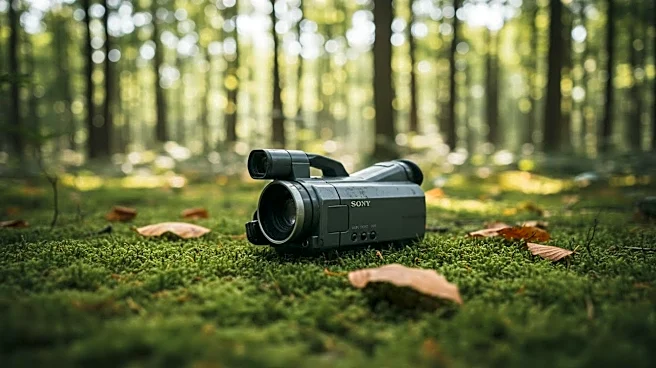
The power of found footage lies in a handful of key techniques designed to maximize realism. First and foremost is the first-person perspective, or “shaky cam,” where the events are seen through the lens of a character in the story. This makes the audience a participant rather than a passive observer. Naturalistic, often improvised dialogue adds to the feeling of an unscripted event unfolding in real time. Another crucial element is the deliberate absence of a musical score; the only sounds are the ones the characters would actually hear, heightening the tension and connection to reality. Finally, there's the direct-to-camera confessional, where characters speak their fears directly to the lens—and by extension, to us. This creates a false intimacy, making their eventual fates feel all the more personal.
The Billion-Dollar Blueprint
If “The Blair Witch Project” was the proof of concept, “Paranormal Activity” was the business model that made Hollywood snap to attention. Arriving nearly a decade later, the film used static surveillance cameras to capture supernatural events in a suburban home. Its genius was its simplicity and patience, turning a mundane setting into a pressure cooker of dread. Made for a reported $15,000 and eventually grossing nearly $200 million worldwide, it became one of the most profitable films of all time. This low-risk, high-reward formula triggered an explosion of the genre. Studios realized they could produce horror films cheaply that generated massive returns, leading to a glut of found footage movies and cementing the style's commercial power.
Beyond Horror's Borders
The most significant legacy of found footage isn't the number of horror sequels it spawned, but how its techniques were absorbed by mainstream American cinema. The aesthetic of immediacy and realism became a coveted tool for directors in every genre. Look at the frenetic, close-quarters action sequences in the “Bourne” series, which use a shaky, disorienting perspective to put you right in the fight. Consider the sci-fi thriller “Chronicle,” which tells a superhero origin story entirely through personal cameras, or the acclaimed “District 9,” which blended mockumentary and news footage to ground its alien story in a poignant, realistic setting. Even comedies like “Project X” and family films like “Earth to Echo” have adopted the format to create a sense of authenticity and relatability. The language of found footage—its shaky realism and first-person perspective—taught Hollywood a valuable lesson: sometimes, less polish equals more impact.