





Every autumn, as the air chills and the nights lengthen, fashion summons a familiar spirit: the witch. But this is no fleeting trend. The endless return of dark lace, flowing silhouettes, and esoteric symbols is a story about power and rebellion.
Beyond the Pointed Hat
When
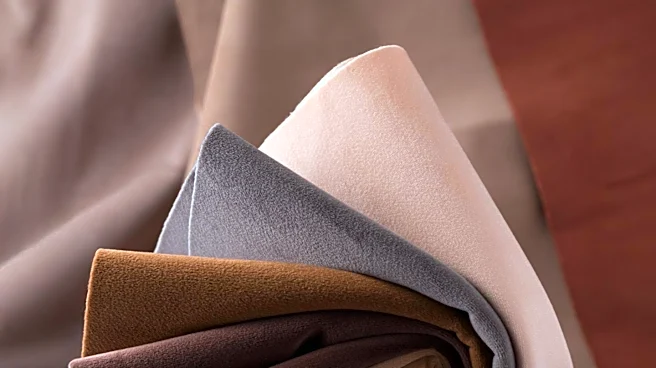
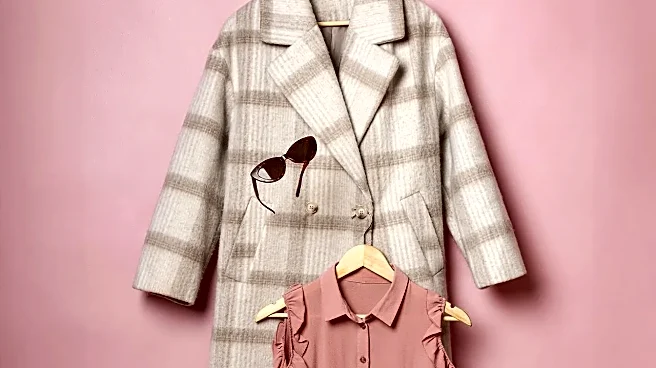
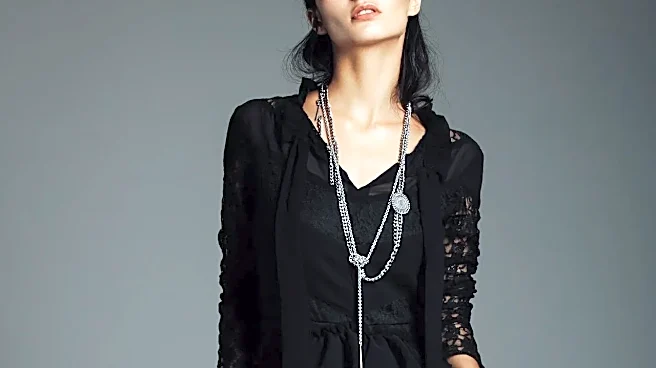
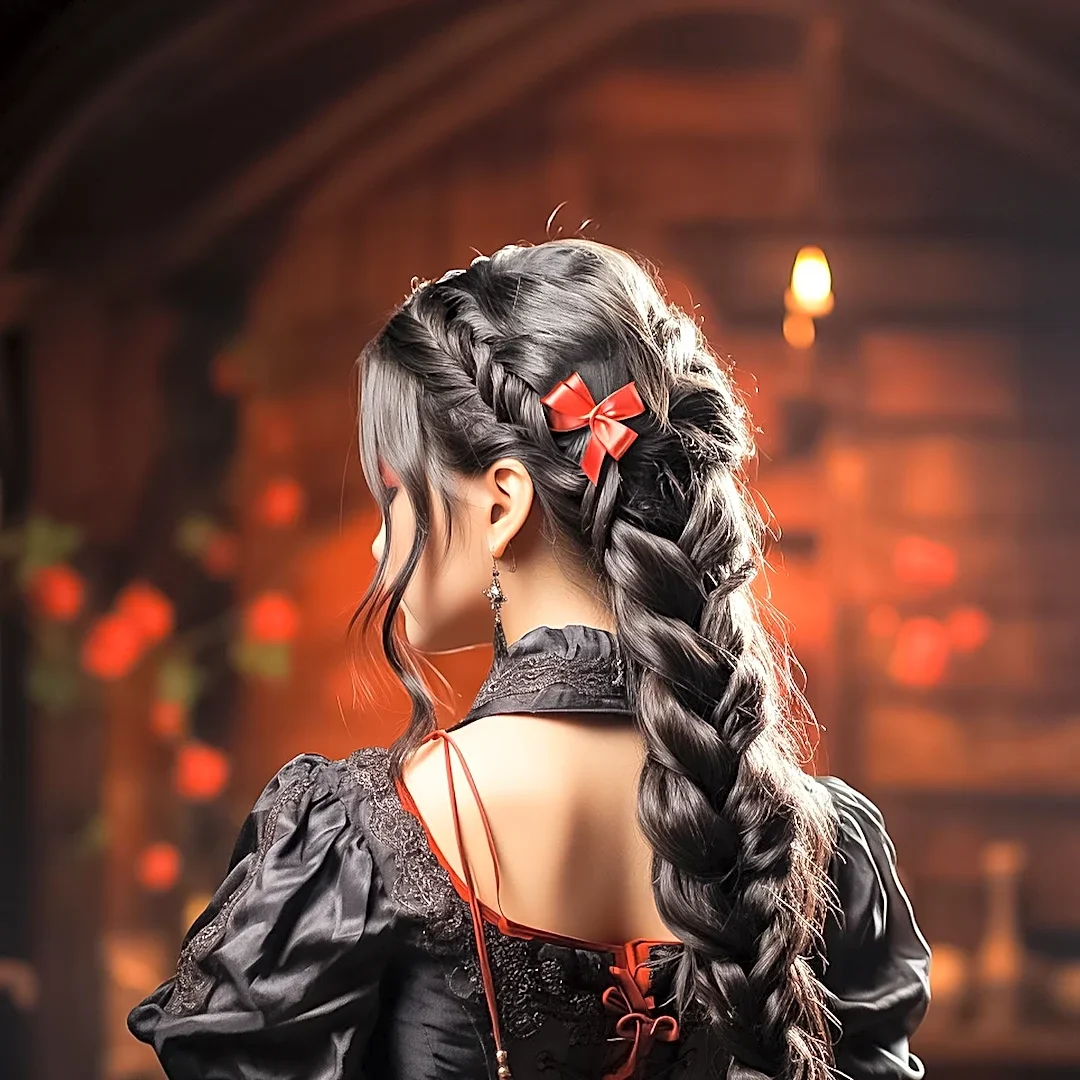
you picture 'witchy fashion,' you might think of the cartoonish Halloween costume: a pointy hat, a cheap cape, and maybe a broom. But the aesthetic that consistently reappears on runways and in street style is far more nuanced, drawing from a deep well of cultural history. Today's version is a blend of gothic romance, 70s bohemia, and 90s grunge. Think long velvet skirts, sheer black fabrics, layered silver jewelry, and heavy boots. It’s an aesthetic that suggests mystery, a connection to nature, and a quiet, self-possessed power. Designers like Alexander McQueen, Rick Owens, and the duo behind Preen have all famously channeled this energy, creating collections that feel both ancient and modern. It's less about caricature and more about channeling an archetype that has haunted and fascinated Western culture for centuries.
From Heretic to Style Icon
The original 'witchy' clothing wasn't a fashion statement; it was often evidence used in accusations. During the European and American witch trials, things like dark cloaks or eccentric dress could mark a woman as an outsider and, therefore, suspicious. The iconic all-black look became associated with evil and black magic during the Renaissance, cementing it in the popular imagination. But the image of the witch began to change in the 19th century. As the immediate fear of witch hunts faded, Gothic literature and art romanticized the figure, transforming her from a feared crone into a mysterious, alluring, and powerful woman. The witch was no longer just an enemy of the established order; she was becoming a symbol of a different kind of power.
The Feminist Reclamation
The 20th century saw the witch fully reclaimed as a feminist symbol. This shift accelerated in the 1960s and 70s, alongside the rise of second-wave feminism and neopagan spiritual movements like Wicca. The witch became an icon of female rebellion, independence, and spiritual knowledge outside of patriarchal structures. No one embodied this better than Stevie Nicks, whose shawls, flowing dresses, and mystical persona made her the high priestess of witchy style. The fashion of this era—blending folk, hippie, and gothic elements—became a uniform for women embracing a counter-cultural identity. It was a way to visually declare independence from mainstream expectations.
Pop Culture's Enduring Spell
If the 70s made the witch a feminist icon, the 90s made her a cool girl. Pop culture was suddenly filled with relatable, stylish witches. Films like 'The Craft' and 'Practical Magic', along with shows like 'Sabrina the Teenage Witch' and 'Charmed', presented witches as high school outcasts, sisters, and the girl next door. Their wardrobes—a mix of goth-prep schoolgirl skirts, velvet slip dresses, and casual denim—made the aesthetic accessible to a generation. This era solidified the idea that witchiness wasn't just for occultists or historical figures; it was an attitude and a style that anyone could adopt to express their individuality and tap into a sense of personal power.
Why the Witch Endures
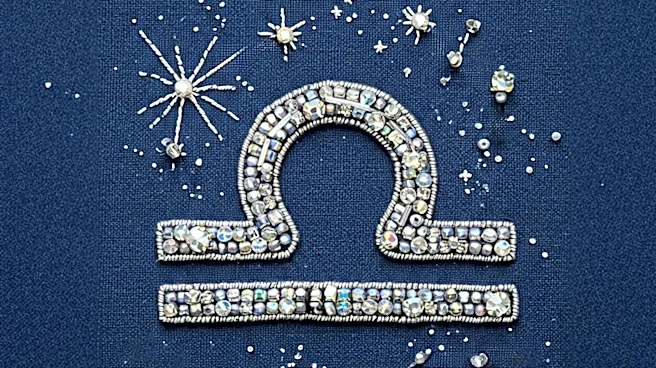
Fashion's obsession with the witch continues because the archetype itself is so potent. In times of social and political upheaval, the witch emerges as a symbol of resistance and reclaimed power. She represents female strength, a connection to nature, and a rejection of conformity. Dressing 'witchy' is more than just wearing black; it’s a form of symbolic armor. It’s a way to tap into a long history of powerful women—real and imagined—who have stood outside the mainstream. The flowing fabrics, dark colors, and mystical symbols are a language, communicating a sense of mystery, independence, and a belief in a kind of magic that exists just beneath the surface of the everyday world. It’s a style that says you are not to be underestimated.