

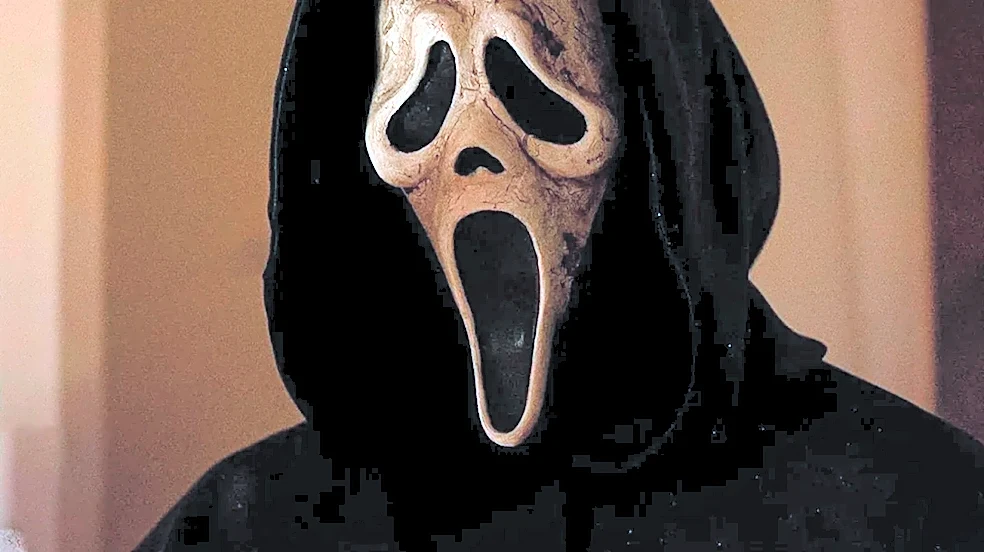

The Trend: Communal Screams
There’s a growing appetite for shared experiences, and movie theaters are tapping into it with gusto. Special programming from distributors like Fathom Events and series like Regal's '31 Screams on Screen' and Cinemark's 'Fear of Missing Out' are making
it easier than ever to catch a classic. These events transform a simple movie night into a seasonal celebration. Watching a masterfully crafted horror film with a crowd provides a unique thrill—the tension is amplified, the jump scares hit harder, and every nervous laugh is shared. It’s a return to the event-style moviegoing that made these films famous in the first place, proving that some scares are best enjoyed with a crowd.
John Carpenter’s 'Halloween' (1978)
It’s not truly Halloween until Michael Myers comes home. John Carpenter’s original masterpiece is a fixture of October theatrical runs for a reason. Its power lies in its simplicity and atmosphere. The creeping dread established by Carpenter’s iconic score and the relentless, slow-burn stalking by 'The Shape' are infinitely more terrifying on a giant screen. The widescreen format captures the menacing emptiness of Haddonfield’s suburban streets, making you feel as vulnerable as Laurie Strode. In a theater, you can’t pause or look away; you’re locked in, waiting for that pale, emotionless mask to emerge from the shadows.
'The Shining' (1980)
Stanley Kubrick’s descent into madness is a film that demands theatrical viewing. The sheer scale of the Overlook Hotel, with its vast, empty corridors and unnerving geometric carpets, is designed to overwhelm the senses. On a TV, it's unsettling; in a dark theater, it’s genuinely suffocating. The revolutionary Steadicam shots that glide behind Danny on his tricycle become an immersive, terrifying journey. More importantly, the intricate sound design—the echoing bounce of a tennis ball, the clatter of the typewriter, the whispers from Room 237—creates a soundscape of insanity that envelops you completely. It's a pristine, psychological nightmare best experienced with no distractions.
'A Nightmare on Elm Street' (1984)
Wes Craven shattered the idea that you were safe in your sleep, and seeing Freddy Krueger on the big screen is a potent reminder of why he became a horror icon. The film’s surreal, dream-like sequences are tailor-made for theatrical immersion. From a clawed hand rising from the bathtub to Tina being dragged across the ceiling, Craven’s practical effects feel visceral and shocking in a way that holds up decades later. Experiencing the collective jump of an audience when Freddy scrapes his glove on a pipe is a core memory for many horror fans, and one that theaters are keen to recreate for a new generation.
Modern Classics and Family Frights
It’s not just about the 70s and 80s. Theaters are also bringing back contemporary cult favorites and family-friendly spookfests. Films like 'Trick 'r Treat' (2007) and 'ParaNorman' (2012) have earned their place as modern Halloween staples, and seeing them with an audience reinforces their cult status. For those looking for a gentler thrill, movies like 'The Nightmare Before Christmas' are also common fixtures, often shown as weekend matinees. These screenings acknowledge that the Halloween spirit isn't just about pure terror; it's also about spooky fun, nostalgia, and introducing younger viewers to the magic of seasonal movies.