


Focus on Faces, Not the Feast
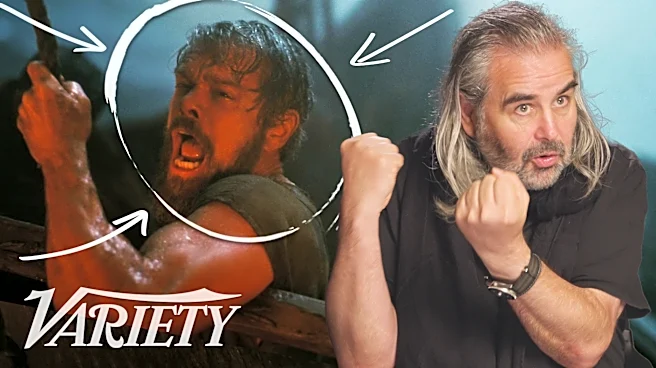
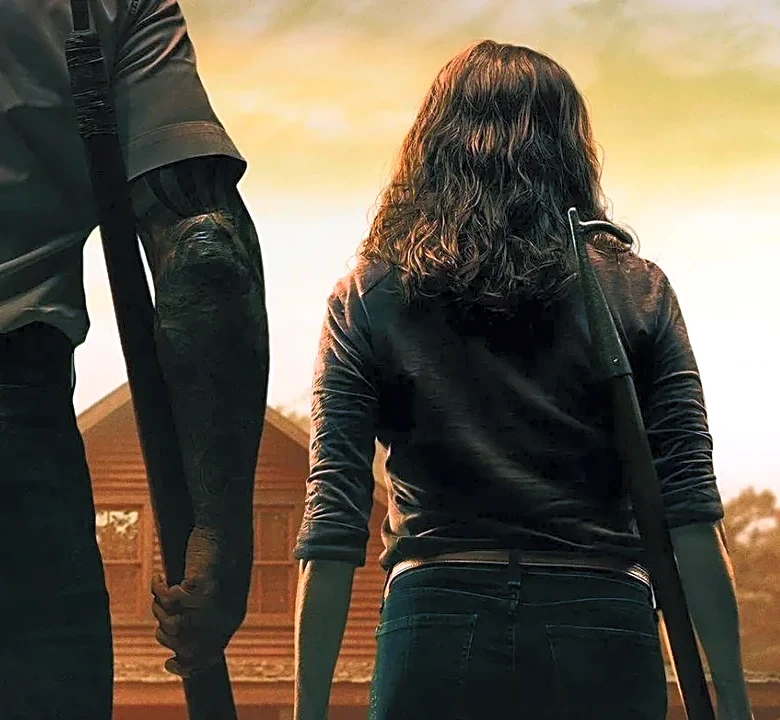
The secret to a great Thanksgiving scene isn't a table groaning with food; it's the drama happening around it. Low-budget filmmakers know that emotion is free. Instead of wide shots showcasing an expensive spread, they use tight close-ups on actors' faces.
A tense argument between cousins, a shared, knowing glance across the table, or a quiet moment of a character staring into space can convey the atmosphere of a family gathering more powerfully than a perfectly cooked (and costly) turkey. By focusing on the human element, the audience fills in the blanks. Their minds create the feast because the emotional cues—the chatter, the laughter, the tension—are all there. The story becomes about the people, which is more compelling anyway.
The 'Hero Prop' and Clever Fakes
You don’t need an entire feast; you just need one great-looking dish. This is called the 'hero prop'. Often, a production will spend its minimal food budget on making a single turkey or pie look absolutely perfect. This is the item that gets the close-up. The rest of the table can be filled with convincing fakes. Mashed potatoes, for instance, are often just scoops of vegetable shortening or other inedible substances that hold their shape under hot lights. To give the illusion of a full bowl without cooking pounds of potatoes, a common trick is to fill the bottom of the dish with gelatin and place the styled 'potatoes' on top. For that fresh-from-the-oven look, food stylists use tricks like spraying greens with hairspray to keep them glistening or using soaked cotton balls microwaved to create steam right before the camera rolls.
Sound Creates the Crowd
A quiet Thanksgiving is an unbelievable one. The key to making a small room with a few actors feel like a bustling family get-together is sound design. The ambient noise of a holiday is layered and complex. Low-budget productions will build a rich soundscape in post-production. This includes the low murmur of overlapping conversations, the distinct clinking of silverware on plates, the scrape of a chair, and maybe a distant football game on TV. These sounds trick our brains into perceiving a fuller, more populated space than what is actually on screen. A good sound mix can make a scene with only four actors feel like a party of twenty, all without having to feed or costume a single extra.
Lighting for Warmth and Shadow
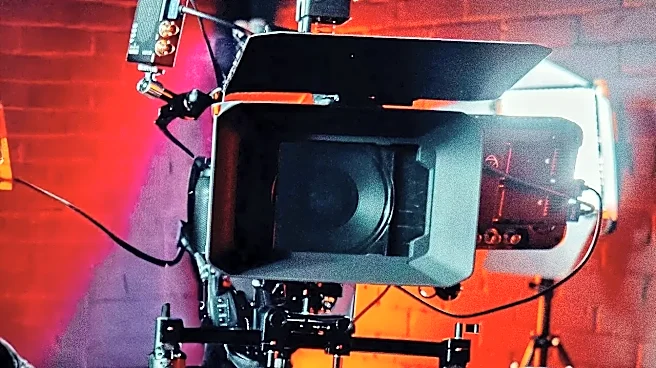
You can hide a multitude of budget sins with good lighting. Instead of trying to light a whole, large room, indie filmmakers create intimate pockets of light. They use practical lights—lamps that are already part of the set—to create a warm, inviting glow that feels natural. Warm, low-key lighting not only evokes the cozy feeling of a holiday evening but also creates shadows that can hide the fact that the set is small or sparsely decorated. A shallow depth of field, which keeps the background out of focus, can also obscure a limited set and draw the viewer's attention to the actors. The focus becomes the warm light on a character's face, not the empty corners of the room.
Write for What You Have
The most effective budget-saving tool is the script itself. Instead of writing a scene that requires a massive dining room, smart indie filmmakers write to their available resources. Maybe the big dinner scene is replaced with a more intimate moment in the kitchen during prep time. Or perhaps the story focuses on the post-dinner cleanup, where two characters can have a meaningful conversation among the leftovers. Shooting in a real, lived-in apartment or house is often free and provides authentic character that a sterile set lacks. By setting the scene in a smaller, more contained space, the entire production becomes more manageable and the story can feel more personal and grounded in reality.