






More Than Just a Movie Ticket
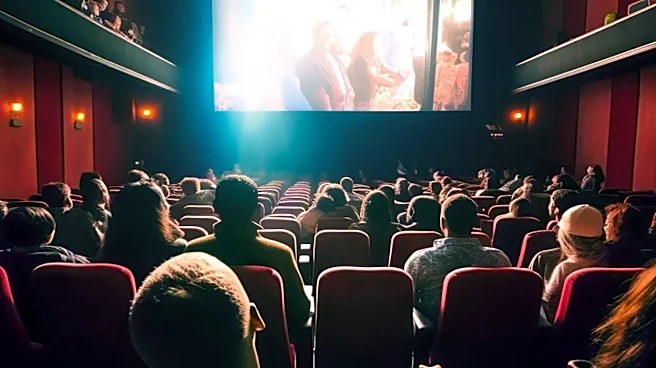
To an audience member, a festival screening is a chance to see a film months before its official release. To a sales agent or distributor, however, that audience is the first true focus group. Unlike test screenings filled with recruited viewers, a festival crowd
consists of paying customers and avid cinephiles—a much better proxy for the real-world market. These public-facing screenings are a crucial part of the BFI's mission, welcoming nearly 290,000 people to its events annually. For a film without a distribution deal, the reaction in that room can determine its entire future. Is the audience laughing at the right moments? Are they audibly shocked by the twist? Is there a standing ovation, or a polite, awkward silence? This raw, immediate feedback is gold for industry professionals trying to gauge a film's commercial potential.
The High-Stakes Q&A Session
The post-screening Q&A is one of the most direct forms of market research available. While it may seem like a casual chat between the director and fans, industry attendees are listening intently. The questions asked reveal what resonated and what didn't. If the audience asks detailed questions about a supporting character, it might signal a breakout performance. If they seem confused about the plot, it tells the marketing team they need to clarify the premise in the trailer. This direct interaction is invaluable; it helps filmmakers and their potential business partners understand how to position the film for a wider audience. It’s a level of qualitative data that a simple survey could never capture.
Decoding the Digital Buzz
Before the credits even finish rolling, the digital verdict is already taking shape. Attendees share their instant reactions on social media platforms like X (formerly Twitter), Letterboxd, and Instagram. This torrent of user-generated content provides immediate, quantifiable data on audience sentiment. Distributors can track hashtags, monitor the tone of conversations, and see which clips or quotes are going viral. A film that generates spontaneous, positive online buzz has a clear advantage, demonstrating an organic connection with viewers that can be leveraged into a powerful marketing campaign. This digital word-of-mouth is a modern, cost-effective way to build momentum far beyond the festival itself.
Audience Awards as a Stamp of Viability
While jury prizes often celebrate artistic merit, Audience Awards are seen by many in the industry as a more reliable indicator of commercial success. Winning the audience prize at a major festival like London's demonstrates that a film connects with 'real people', not just critics. This is a powerful selling point for a sales agent trying to secure a distribution deal. It proves the film is not just a niche 'festival movie' but has the potential for a profitable theatrical run or a high-value streaming acquisition. For buyers, an Audience Award de-risks their investment, providing concrete evidence that there is a paying public for the film.
From London to the U.S. Market
The insights gathered at the BFI London Film Festival have a direct impact on what American audiences eventually see. A bidding war for a British indie film might ignite after a rapturous premiere in London's South Bank. A U.S. distributor might acquire a film and then use the festival feedback to recut the trailer, redesign the poster, or even tweak the film itself. The festival's industry-focused events, like the Works-in-Progress showcase and buyer-seller meetings, are explicitly designed to connect UK and international talent with distributors and financiers. The enthusiastic reception from a London crowd can give a distributor the confidence to plan a wide U.S. release, transforming a small film into a global contender.