







More Than Just an Armband
On paper, the captain's only official duty is the pre-game coin toss. But in the unique, high-stakes environment of a World Cup, the role explodes in significance. A club captain has a full season to build chemistry; a national team captain has mere weeks
to unite a squad of players who are often rivals at their day jobs. The tournament format is unforgiving, with no time to recover from a poor start or internal strife. This condensed pressure means the captain must immediately become the team's on-field coach, chief diplomat, and locker-room therapist. It’s a leadership test with no parallel in sports.
The On-Field Coach and Diplomat
In the roar of a 90,000-seat stadium, a coach’s instructions from the sideline can be lost. The captain becomes the coach's extension on the field, organizing the defensive line, managing the game's tempo, and relaying tactical shifts. They are also the team's designated ambassador to the referee. While any player yelling at an official risks a yellow card, the captain is expected to communicate. A great captain, like Germany's Franz Beckenbauer, can use that access to calm a tense situation, protect younger players, and subtly argue his team's case, all while maintaining composure that spreads through the ranks. A captain who loses his cool, on the other hand, can signal to his team that panic is the right response.
The Unifier of Rivals
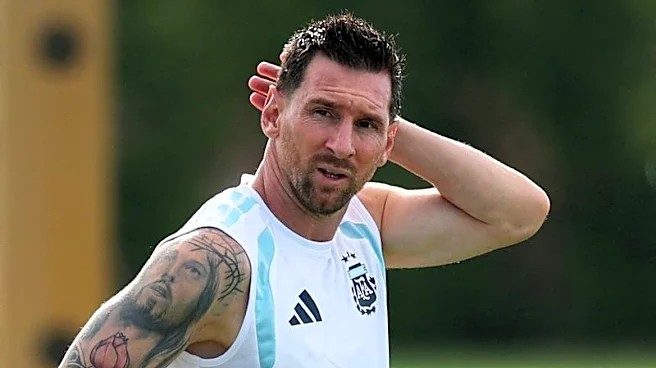
A World Cup squad is a fascinating psychological experiment. It brings together superstars with massive egos from different, often competing, clubs and asks them to form a cohesive unit under immense national expectation. This is where the captain's role is most vital and least visible. They are responsible for bridging divides and fostering a single-minded group identity. When Argentina lost their opening match in 2022, it was captain Lionel Messi who steadied the ship, keeping the team together and preventing the campaign from derailing before it began. He evolved from a quiet leader-by-example into a vocal, protective figure, forging the belief that carried them to the title.
The Face of a Nation
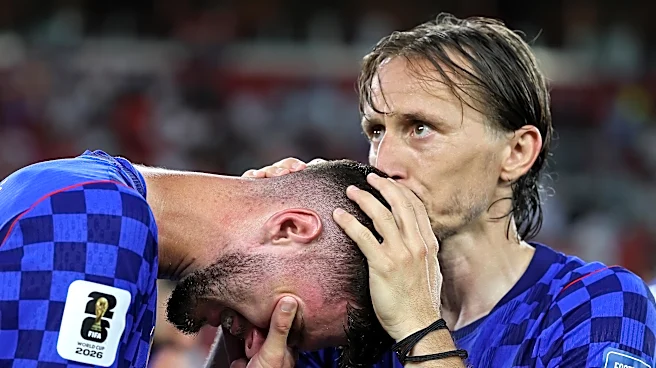
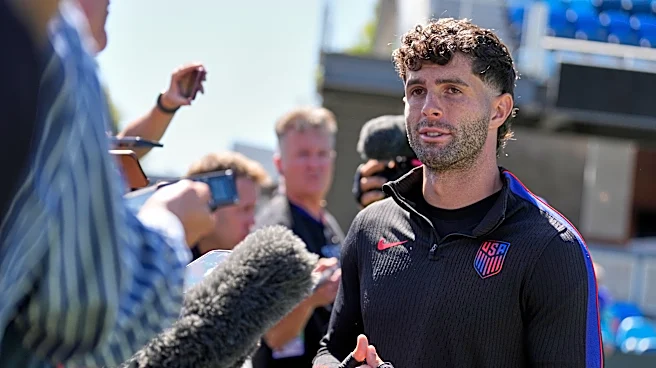
When the final whistle blows, the cameras find the captain. Whether in victory or defeat, they must face the world and speak for the team, the fans, and the country. This involves immense pressure that goes far beyond the game itself. A captain carries the hopes of millions. Think of Diego Maradona in 1986, whose sheer force of will seemed to carry Argentina to glory, inspiring belief in his teammates that they were invincible. Or Iker Casillas, who in 2010 ended Spain's long wait for a World Cup, becoming a symbol of a golden generation. These players become more than athletes; they become national figures whose leadership defines an era for their country.