



Selling Art vs. Selling a Product
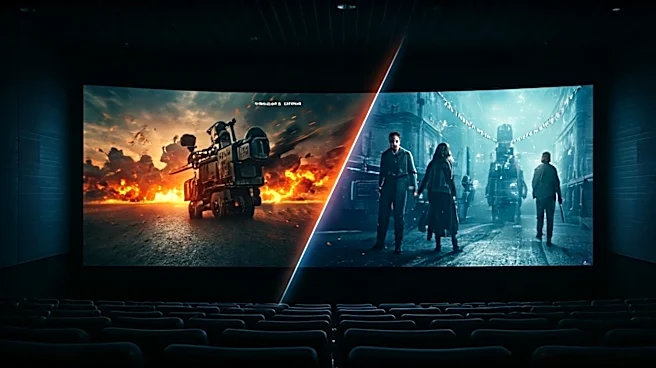
The core of this strategy lies in a simple truth: a film festival jury and a Friday-night moviegoer are looking for two very different things. The Cannes audience—comprised of critics, distributors, and hardcore cinephiles—is there to discover the next masterpiece. They crave challenging narratives, bold directorial vision, and artistic merit. Their currency is cultural significance. The general public, on the other hand, is typically looking for entertainment. They want to know the genre, see the stars, understand the basic plot, and feel confident they’ll get a satisfying emotional experience—be it laughter, tears, or adrenaline. Their currency is the price of a movie ticket and a bucket of popcorn. A single marketing message can rarely satisfy both
groups, so studios don’t even try.
The Festival Trailer: An Abstract Mood Board
The first trailer, often called a “festival teaser” or “international trailer,” is designed to impress the art-house crowd. It’s an exercise in mood and aesthetics. These trailers are often light on plot and heavy on atmosphere. You’ll see lingering shots, hear enigmatic dialogue, and feel the score swell. The goal isn't to explain the story but to sell the film as a significant, must-see work of art from a visionary director. Think of the trailers for films like Terrence Malick’s “The Tree of Life” or recent Palme d'Or winners like “Anatomy of a Fall.” The festival cuts are often beautiful, strange, and intentionally obtuse. They function as a promise to critics and distributors: “This isn't just another movie; this is *cinema*.” It's a calculated move to build buzz, secure rave reviews, and win awards, which become crucial marketing assets for the film's later commercial run.
The Theatrical Trailer: A Clear-Cut Promise
Months later, as the film prepares for its wide theatrical release, a completely different trailer appears. This is the one designed for the masses. If the festival trailer was a poetic whisper, the theatrical trailer is a clear, concise sales pitch. It will prominently feature the movie’s biggest stars, lay out the plot’s central conflict, highlight the best jokes or most thrilling action beats, and often use a popular song to set a familiar tone. The classic example is Nicolas Winding Refn’s “Drive.” Its festival campaign sold it as a stylish, existential art-house drama. Its theatrical trailer, however, was cut like a “Fast & Furious” movie, focusing entirely on car chases and action. The goal is to translate the abstract concept of “critically acclaimed film” into a tangible product that someone will pay to see on a Saturday night. It’s about removing ambiguity and giving the audience a clear reason to buy a ticket.
The Risk of the ‘Bait and Switch’
This dual-pronged strategy is smart, but it's not without its risks. When the theatrical trailer misrepresents the film's actual tone too drastically, it can backfire. Audiences who saw the action-packed trailer for “Drive” and showed up expecting a heist movie were often confused or disappointed by the quiet, meditative film they got. In one infamous case, a moviegoer even filed a lawsuit, claiming the trailer was deceptive advertising. This is the tightrope a distributor must walk. The marketing needs to broaden the film's appeal without betraying its core identity. When it works, an esoteric art film can find a surprisingly large audience. When it fails, it leaves both the filmmaker and the audience feeling cheated. The second trailer must find a way to sell the film’s true essence, but in a language the mainstream public can understand.