

The Cultural Shift to Comfort
The demand for softer construction isn’t just a trend; it’s a reflection of a broader cultural movement. Lifestyles have become more blended, erasing the firm lines between work, travel, and leisure. Consumers now expect their clothing to be versatile
and comfortable without sacrificing sophistication. This has fueled the rise of unstructured jackets and relaxed silhouettes that prioritize movement and ease of wear. The traditional suit, once a uniform of power defined by padded shoulders and stiff canvas, is being reimagined for a world that values elegance but refuses to feel restricted. This evolution doesn’t mean the end of tailoring, but rather its refinement into something more personal and adaptable.
Identity Lives in Method, Not Just Shape
A brand’s identity is not tied to a single silhouette. It's a language spoken through a combination of elements: cut, proportion, fabric choice, and finishing touches. Designers known for sharp tailoring, like Tom Ford with his powerful shoulders or Brioni with its polished presence, built their identity on a specific aesthetic. However, brands like Brunello Cucinelli have proven that an equally strong identity can be built on relaxed sophistication and soft structure. The key is to understand that a design signature is about a consistent point of view. Shifting from sharp to soft is not an act of erasure, but of translation—reinterpreting core principles in a new, more fluid form.
Rethink Fabric and Deconstruct the Form
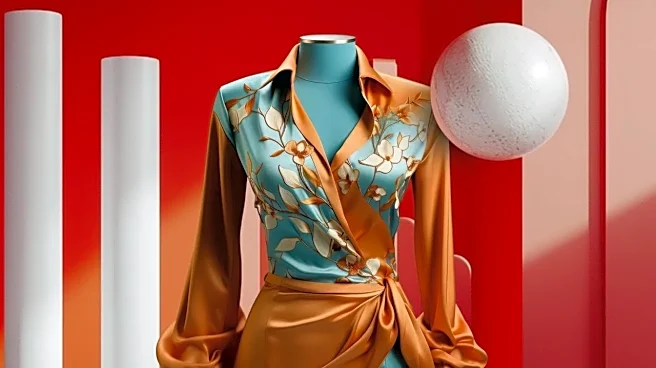
The most direct path to softness is through fabric. Swap out heavily-structured wools for high-twist crepes, technical knits, fluid silks, or lightweight linens that drape naturally. But fabric alone isn’t enough. The construction itself must evolve. This is where deconstruction becomes a powerful tool. Unstructured or half-lined jackets remove the internal scaffolding, forcing the garment to rely on the quality of the cut. Shoulders can become natural, following the wearer's body instead of creating a rigid line. Consider replacing sharp, pressed darts with softer techniques like gathers, smocking, or strategic draping to create shape without stiffness. The result is a garment that feels more like a second skin and less like armor.
Amplify Signature Details
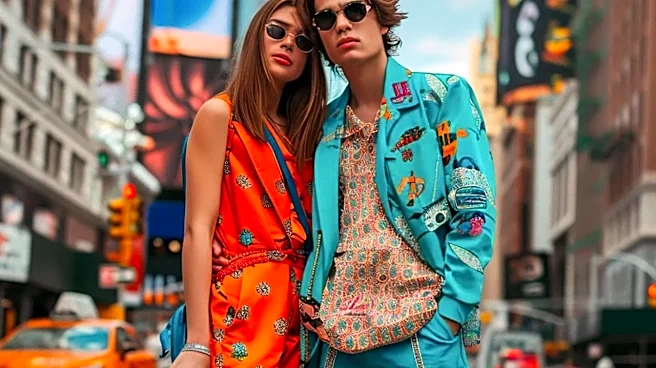
When the overall silhouette softens, smaller details become more important for carrying a brand's DNA. This is an opportunity to amplify the elements that make a design unique. Focus on signature hardware, like custom buttons or zippers. Develop a distinctive type of topstitching or a unique pocket placement that can be applied across different garment styles. A specific approach to color-blocking, a recurring motif in prints, or a preference for a certain type of lapel can all serve as consistent threads. These details act as anchors, ensuring that even as the form becomes more relaxed, the garment remains instantly recognizable as part of a specific creative vision. By keeping certain elements consistent, you create a coherent brand system that can handle stylistic evolution.
Find Power in Proportion
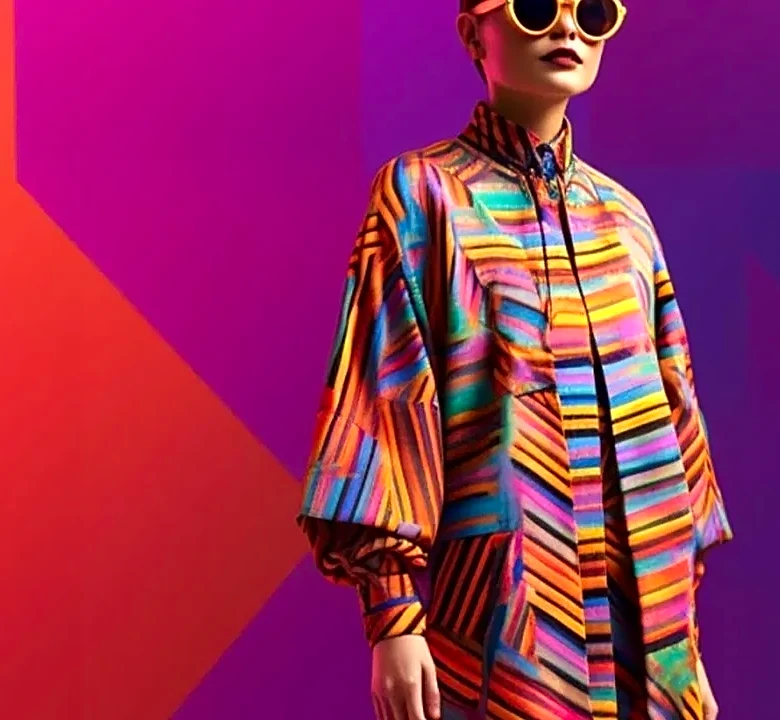
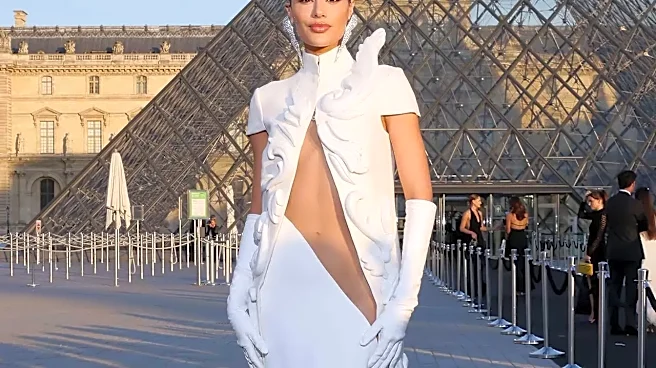
Soft construction does not have to mean shapeless. In fact, without the internal architecture of traditional tailoring, proportion becomes even more critical. The balance between a slightly oversized blazer and a slim trouser, or the interplay of a voluminous sleeve on an otherwise simple form, creates a dynamic and intentional look. Designers are exploring this by pairing structured elements with fluid ones, such as a tailored bodice on a draped dress. Clare Waight Keller's work for UNIQLO : C, themed “Precision of Softness,” masterfully demonstrates how to use generous shapes and careful layering to look considered, not just comfortable. The goal is to control the volume, ensuring that even in its softness, the silhouette has a clear and confident point of view.