
Beyond the Black Canvas
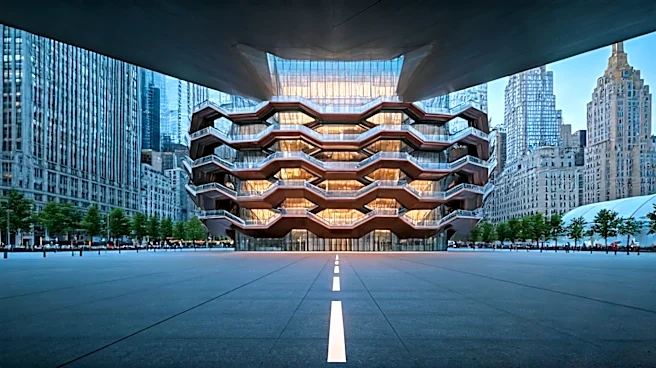
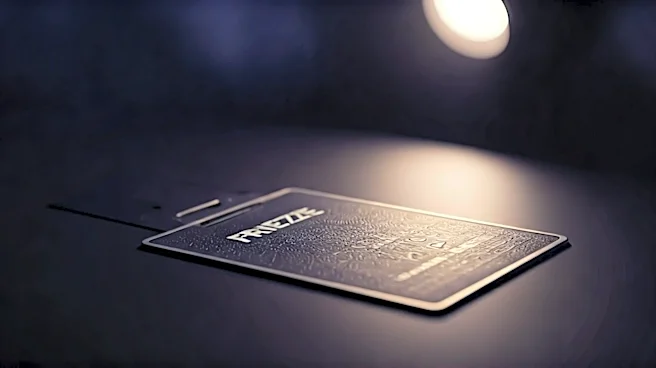
For decades, the unofficial dress code of the art world has been a study in monochrome. Gallerists, collectors, and critics traditionally favored a uniform of architectural black, severe navy, or discreet grey. This aesthetic, borrowed from Japanese designers like Rei Kawakubo and Yohji Yamamoto, served a dual purpose: it projected an air of intellectual seriousness and, functionally, it didn't distract from the art. It was a palette that said, “I am here for the work, not to be the work.” But walk the floors of The Shed during Frieze New York today, and you'll see that canvas is cracking. Splashes of color are appearing not on the walls, but on the attendees themselves, in the form of confident, tailored, and undeniably pastel suits.
A Softer Kind of Power Dressing
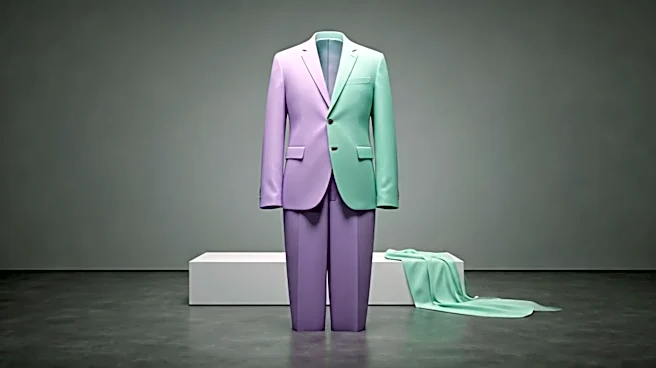
This isn't
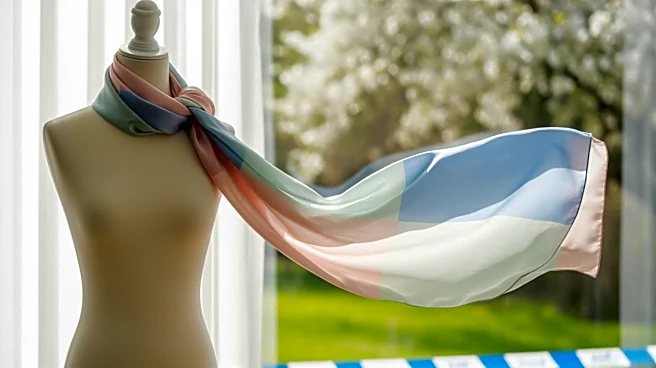
your uncle's '80s Miami Vice getup. The modern pastel suit spotted at Frieze is different. The colors are chalky and sophisticated: shades of powder blue, dusty rose, pale mint, and butter yellow. The tailoring is key; silhouettes are often relaxed and slightly oversized, eschewing the rigid structure of corporate power suiting. Worn by gallerists closing deals on their iPhones and collectors sizing up the next big thing, the look is less about boardroom aggression and more about a different kind of confidence. It’s a statement of “soft power.” Wearing a lavender suit in a sea of black says you’re secure enough in your taste and status to embrace playfulness. It suggests you belong so completely that you no longer need the uniform to prove it.
The Psychology of Joyful Dressing
So, why now? The rise of the pastel suit can be read as a direct response to several cultural currents. Firstly, it’s a clear aesthetic rejection of the bleakness of recent years. Coined “dopamine dressing,” the move toward bright, mood-boosting colors reflects a collective desire for optimism and joy after a period of global anxiety. Secondly, it aligns with a broader shift in menswear and gender-fluid fashion. As traditional boundaries around clothing blur, tailoring has become a canvas for personal expression for all genders. Brands from The Row to Jacquemus have championed colorful, relaxed suiting, and the art world, always a haven for early adopters, is a natural place for this trend to flourish. It’s a look that feels both contemporary and conversation-starting—perfect for a social environment built on seeing and being seen.
An Instagram-Ready Aesthetic
We also cannot ignore the context of the modern art fair itself. It is not just a commercial event; it’s a cultural spectacle, heavily documented on social media. A striking outfit is no longer just for the people in the room—it’s for the thousands viewing it on Instagram. A pastel suit pops against the stark white walls of a booth or a vibrant abstract painting. It’s photogenic, memorable, and signals an engagement with contemporary culture that goes beyond the art being sold. In this sense, the choice to wear a pastel suit is a savvy one. It communicates creative fluency and makes the wearer part of the visual landscape, not just a bystander within it. It’s a way of saying you understand the aesthetic language of the moment, both on the canvas and off.