




Starting on an Improperly Prepped Canvas
The single most important step for long-lasting makeup happens before a single drop of foundation is applied. If you don't prep your skin correctly, you're setting yourself up for failure. Thirsty, dehydrated skin will drink the water from your foundation,
leaving behind patchy pigment that clings to dry spots. Conversely, if your skin is oily and you skip a mattifying or balancing primer, that excess sebum will cause your makeup to slide and dissolve within hours. A proper touch-up is impossible because the base is unstable. Think of it like painting a wall—you wouldn't start without cleaning and priming it first. Your face requires the same consideration. A good cleanse, followed by a moisturizer suited to your skin type and a targeted primer, creates a smooth, grippy surface that holds onto makeup for hours.
The 'More Is More' Foundation Myth
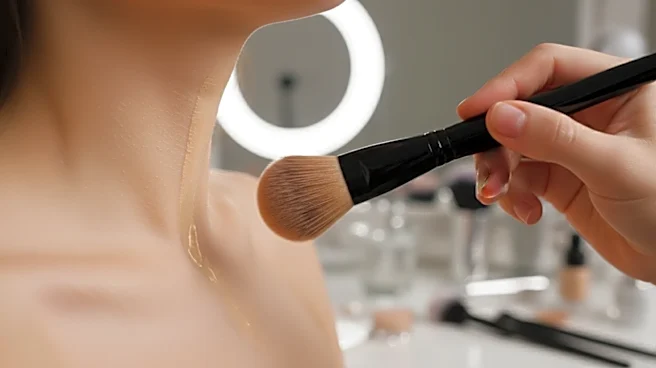
When aiming for a flawless finish, it’s tempting to apply a generous layer of foundation to cover any and all imperfections. However, this is one of the biggest reasons makeup becomes difficult to manage later. A thick layer of product is much more likely to crease, separate, and look heavy or cakey as it settles into fine lines throughout the day. When you try to touch up a heavy application, you’re just adding more product on top of a crumbling base, leading to that dreaded paste-like texture. The professional approach is to apply foundation in thin, buildable layers. Start with a sheer application all over and then go back to add a little more coverage only in the areas that truly need it. This 'less is more' philosophy ensures the makeup becomes one with your skin, rather than sitting on top like a mask, making any necessary midday refresh far more seamless.
Using Powder as a Crutch
Powder can be both a savior and a saboteur. Its purpose is to set liquid and cream products, not to absorb a full day's worth of oil or add heavy coverage. A common mistake is to apply a thick layer of powder all over the face in the morning, especially under the eyes. This can immediately create a dry, textured appearance that only gets worse as the day goes on. When it's time for a touch-up, applying more powder over skin that has produced oil creates a cakey, uneven finish. Instead, use a finely milled translucent powder sparingly, pressing it lightly only onto areas that need setting, like the T-zone. For touch-ups, the golden rule is to blot first. Use a blotting paper to lift away excess oil before considering any powder application. This removes the shine without adding more product buildup.
Skipping the Final Lock-In
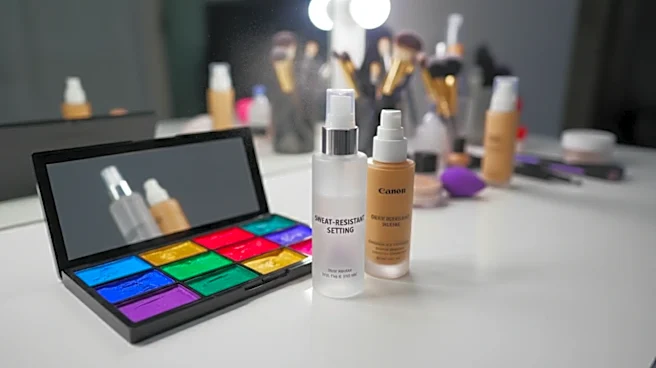
After spending time carefully applying your skincare, foundation, and concealer, it's a huge mistake to skip the final step that locks it all in place: setting spray. Think of setting spray as a gentle hairspray for your face. It serves a dual purpose. First, it melds all the layers of your makeup—from cream to powder—into a single, cohesive finish, removing any powdery or overly made-up look. Second, it creates a flexible, protective film over your makeup to shield it from humidity, sweat, and general wear. Without this final seal, your makeup is far more vulnerable to fading, transferring, and breaking down. When you try to touch up a face that hasn't been set, products are more likely to move around and become patchy. A few spritzes in the morning can dramatically extend the life of your look and make midday fixes far less necessary.
Mismatched Product Formulas
Sometimes, the problem isn't how you apply your makeup, but what you're applying. Not all makeup and skincare products are designed to work together. The most common clash occurs between silicone-based and water-based products. For example, if you use a silicone-heavy primer and then try to layer a water-based foundation on top, the foundation won't have a stable base to adhere to. The formulas can repel each other, leading to pilling, separation, and a blotchy appearance that often appears hours after application. This creates an unstable canvas that's nearly impossible to correct midday. Before you buy, check the first few ingredients in your primers, moisturizers, and foundations. As a general rule, pair water-based products with other water-based formulas, and silicone with silicone, to ensure they work in harmony.
Touching Up on an Oily Surface
When you notice shine breaking through in the afternoon, the reflexive action is often to grab a powder puff and start patting down the offending areas. This is the cardinal sin of the midday touch-up. Applying powder directly onto an oily surface essentially creates a makeup paste. It mixes with the oil and pigment, resulting in a cakey, textured appearance that accentuates pores and makes the area look heavy and dirty. The correct procedure is always to remove before you add. Take a blotting paper or even a clean tissue and gently press it against the shiny areas to absorb the excess oil. Only after you have de-greased the surface should you consider applying a tiny amount of powder, if needed at all. Often, just blotting and using a refreshing face mist is enough to reset your look without adding any more product.