




From a Toy Scroll to the Big Screen
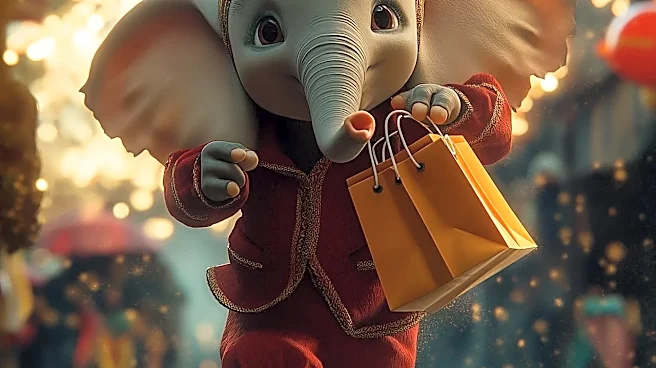
Before it was a beloved film, Dumbo was a story concept for a novelty toy called a Roll-A-Book. This device featured a story printed on a scroll that users would wind by turning knobs on a box. The tale of the big-eared elephant, written by Helen Aberson
and Harold Pearl, was brought to Walt Disney's attention in 1939 by his head of merchandising. Disney was instantly charmed and bought the rights. The original plan was to create a short film, but the story team, led by Joe Grant and Dick Huemer, soon realized the heartwarming plot had feature-length potential. The studio was in financial trouble after the poor box office performance of Fantasia and Pinocchio due to World War II closing off foreign markets, so Dumbo was deliberately designed as a simple, low-budget feature to generate revenue.
A Psychiatrist Owl and a Different Friend
One of the most significant changes from the source material was the creation of Dumbo's closest ally. In the original story, Dumbo's sidekick wasn't a wisecracking mouse, but a helpful red robin named Red. Early in the film's development, the story team decided to swap the bird for a mouse to play on the classic stereotype of elephants being afraid of them. This change gave birth to Timothy Q. Mouse, who became Dumbo's mentor and motivator. In one abandoned concept, Red the robin was supposed to take Dumbo to see a psychiatrist, a hooting owl named Dr. I. Hoot, to cure him of his psychological issues. This bizarre therapeutic detour was ultimately scrapped in favor of the more straightforward and heartfelt friendship with Timothy.
A Less Cuddly Dumbo
While the final design of Dumbo is the epitome of animated cuteness, some early concept art shows a slightly different take. Character maquettes and model sheets from the production process show the artists working to perfect his look. Though the signature ears were always the focal point, the exact expressions and proportions were refined over time to maximize his emotional appeal. The film's animators focused on a simplicity that allowed them to pour more effort into expression and feeling, which was key to the film's emotional impact. One of the most heartbreaking scenes, when Dumbo visits his imprisoned mother, was storyboarded multiple times to get the tone just right. Early art by the legendary Mary Blair shows a silhouetted figure, potentially an early version of Timothy Mouse or even Jiminy Cricket, on Dumbo's head during this sad moment, an idea that didn't make the final cut.
Darker Storylines and Deleted Songs
The 64-minute film is celebrated for its tight, emotional storytelling, but other ideas were left on the cutting room floor. One abandoned subplot involved Dumbo being ostracized by the circus's human sideshow performers, a concept that was deemed too dark and potentially complicated the narrative. The scene where Mrs. Jumbo is provoked into a rage was originally more intense, with storyboards showing the rowdy boys physically tormenting Dumbo more explicitly before she intervenes. Another casualty was a proposed song for Timothy Mouse titled "Are You a Man or a Mouse?" While catchy, the vaudeville-style number was cut, likely to maintain the film's brisk pace and emotional focus. The iconic "Pink Elephants on Parade" sequence remained, but many home video and book adaptations have since removed it or replaced it with a simpler dream sequence.