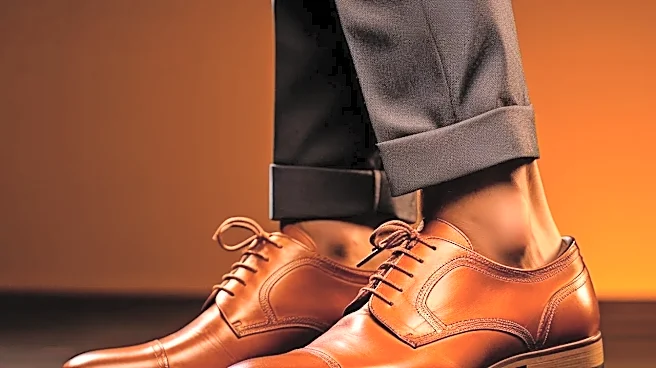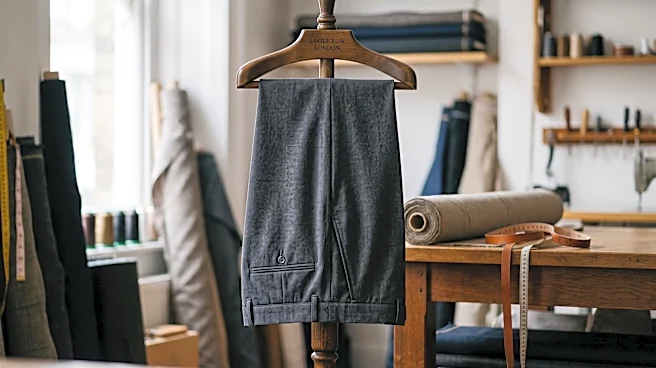


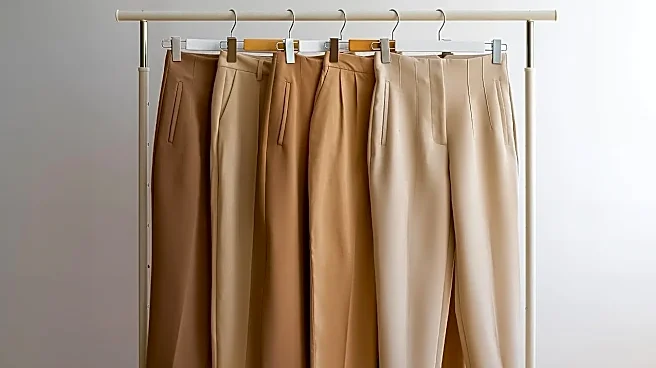

You found the perfect pair of trousers, but they're just a little too wide in the leg. A simple trip to the tailor should fix it, right? Not always. One common, seemingly minor shortcut can permanently ruin the intended shape and drape.
The Mistake: Tapering From One Seam Only
The single biggest
mistake in trouser alteration is tapering the leg from only one seam. More often than not, a tailor looking to save time will take in all the excess fabric from the inseam (the seam running down the inside of your leg). It seems logical and efficient, but this shortcut is the primary culprit behind trousers that look 'off' after an alteration. It pulls the entire pant leg off its natural axis. While some tailors might opt to take from the outseam for similar reasons, the result is the same: an unbalanced leg that twists, pulls, and fails to hang correctly. This is especially disastrous for trousers with a defined crease, as the crease will no longer fall in a straight line down the center of your leg.
Why Balance Is Everything
Trousers are not simple fabric tubes; they are carefully designed garments cut to balance on the human leg. The front and back panels are shaped differently, and the placement of the inseam and outseam is intentional. This creates a clean, vertical line that allows the fabric to drape properly whether you are standing, walking, or sitting. The grainline—the direction of the threads in the fabric—is meant to run straight down the center of your leg. When a tailor removes several inches of fabric from one side only, they are effectively yanking that grainline off-center. This causes the leg to twist around your body, creating unattractive diagonal pull lines and ensuring the hem never sits straight over your shoe.
The Correct Method: A Two-Sided Solution
The proper way to taper a trouser leg is to distribute the alteration evenly between both the inseam and the outseam. For example, if you want to reduce the leg opening by two inches, a skilled tailor will remove one inch from the inseam and one inch from the outseam. This maintains the leg's original balance and keeps the grainline perfectly centered. By working on both sides, the tailor preserves the intended geometry of the trousers, resulting in a slimmer leg that hangs just as cleanly as the designer intended. This method ensures that the central crease remains sharp and centered and that the hem falls evenly over your shoes without any twisting or distortion.
How to Talk to Your Tailor
The best way to avoid this mistake is to be an informed customer. You don't need to know how to sew, but you do need to know what to ask for. When you take your trousers in for tapering, communicate your needs clearly. Use this simple phrase: 'When you taper the legs, please make sure to take an equal amount of fabric from both the inseam and the outseam to keep the leg balanced.' This signals to the tailor that you understand the importance of a balanced alteration and expect a quality result. A good tailor will already do this as standard practice, but explicitly stating your preference removes any ambiguity and helps prevent a costly, irreversible mistake. Always try the trousers on before you leave the shop, checking to see that the leg hangs straight and feels comfortable.