



Start With the Fiber Content
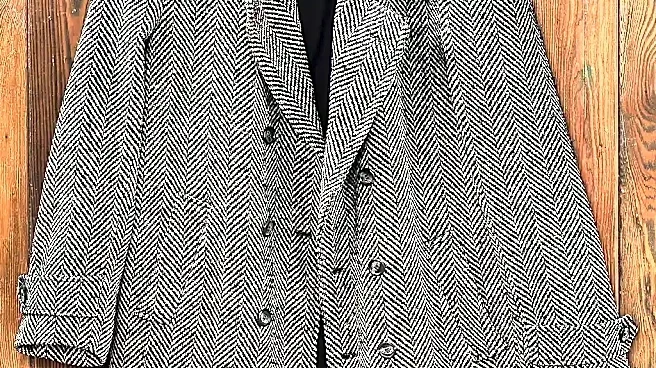
The first step is always the label. A coat marketed as a “wool coat” can legally contain a low percentage of actual wool. For a coat that offers warmth and retains its structure, look for at least 70-80% wool. A 100% wool coat is the gold standard for performance,
but blends with a small amount of nylon or polyester can sometimes add durability. Be wary of any tag that says “wool blend” without listing the exact percentages. High-quality coats will often specify the type of wool, such as virgin wool (which hasn't been processed before) or merino, known for its fine, soft fibers. These longer, stronger fibers are less likely to break and cause pilling.
Perform the Touch and Crush Test
High-quality wool has a distinct feel. The fabric should feel dense and substantial; if you can see light through the weave, it's a poor sign. A quality wool coat will have some heft to it. Gently rub an inconspicuous area of the fabric between your fingers. If little balls of fiber start to form immediately, the coat is likely made from shorter fibers and will be prone to pilling. Finally, perform a simple crush test: squeeze a handful of the fabric in your fist for about 10 seconds, then release it. Wool has a natural elasticity and should spring back into shape, leaving minimal creasing. If the fabric remains sharply wrinkled, it may have been treated with chemical softeners and will not hold its shape well over time.
Examine the Hidden Structure
A coat's shape comes from more than just its outer fabric. The internal construction is what separates a premium garment from a fast-fashion imitation. Feel the lapels, collar, and the area around the buttonholes. These sections should feel thicker and more structured than the rest of the coat. This is due to interfacing, a hidden layer of material that adds firmness and prevents stretching in high-stress areas. Cheaper coats often use low-quality adhesive interfacing that can bubble or detach after cleaning, ruining the coat's lines. A well-made coat will feel springy and robust in these key structural zones.
Check the Lining and Seams
The lining is not just for comfort; it is critical for the coat's longevity. A good lining helps a coat slide on easily, protects the wool from internal friction and body oils, and helps stabilize the entire garment so it doesn’t sag or distort with use. Look for linings made from breathable materials like viscose, cupro, or silk rather than cheap polyester, which can feel clammy. The lining should be neatly sewn without pulling or puckering. Inspect the seams for tight, even stitching with no loose threads. On high-end garments, the interior seams may be bound with fabric (a technique called French seams), which prevents fraying and is a clear sign of superior craftsmanship.
Assess the Fit and Details
Even the best-made coat will lose its shape if the fit is wrong from the start. When trying it on, wear a thick sweater underneath to simulate real-world use. The shoulder seams should sit at the edge of your shoulder bone. Button the coat and ensure there is no pulling across the chest or back. Raise your arms—if the sleeves ride up significantly or you feel a lot of tightness, the fit isn't right. Finally, look at the hardware. Buttons should be made of solid materials like horn or corozo, not cheap plastic, and should be sewn on securely. Details like these are often an indicator of the overall care and quality invested in the coat's construction.