





The Pervasive Anxiety of 'Tech Guilt'
If you’re a parent, you know the feeling. It’s that low-grade hum of worry that starts when you hand your kid a tablet so you can make dinner. It’s the guilt that creeps in when you realize they’ve spent more time with YouTube Kids than with a wooden
block set. This is 'tech guilt'—the distinctly millennial parental fear that we are outsourcing childhood to screens, stunting creativity, and failing to provide the 'pure,' analog upbringing we remember, or think we remember. It’s the anxiety that our children prefer a glowing rectangle to a tangible toy with a face and a personality we have to imagine for it. This isn't just a fleeting concern; it's a powerful cultural undercurrent shaping everything from toy sales to school policies. Parents feel judged for screen time, yet reliant on it. It’s a complex, emotional contradiction, and it’s a goldmine for storytelling.
Obsolescence Is in Toy Story’s DNA
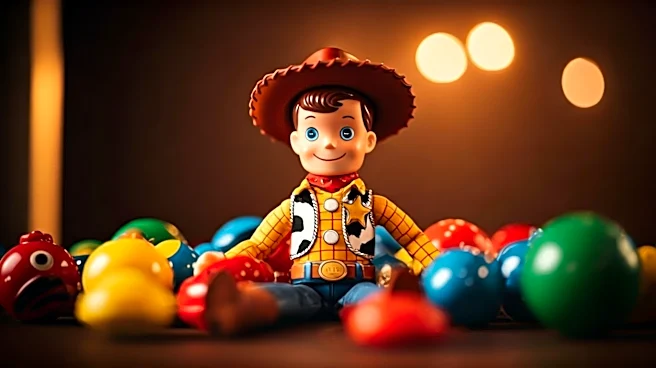
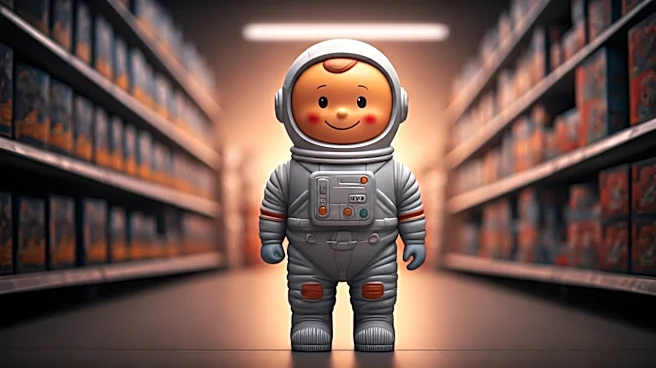
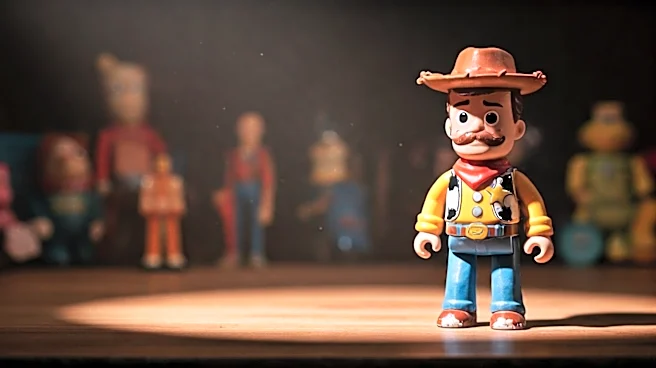
From its very first moments in 1995, the Toy Story franchise has been about one thing: the fear of being replaced. Woody, the beloved analog favorite, was terrified of being usurped by Buzz Lightyear, a shiny piece of plastic with lasers and electronic voice commands. In Toy Story 2, the gang grappled with the inevitability of physical damage and the terror of being put into storage. Toy Story 3 was a masterclass in the existential dread of being outgrown entirely, as Andy headed off to college. And Toy Story 4 explored what happens after your primary purpose is gone. The central conflict has always been a toy’s struggle to remain relevant and loved in a world that is constantly moving on to the next new thing. This theme of obsolescence and the heartache of being left behind is the emotional engine that has powered the series for nearly three decades.
The Perfect Match for a Fifth Chapter
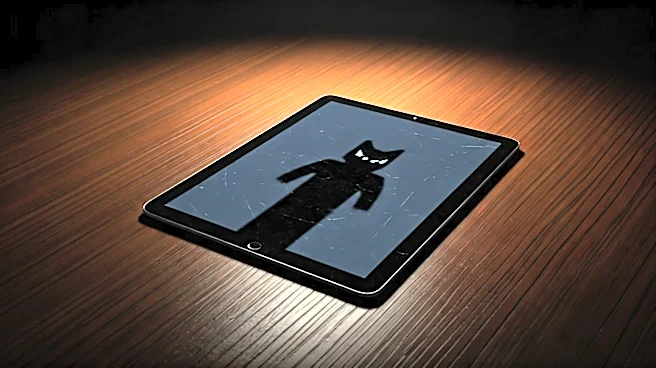
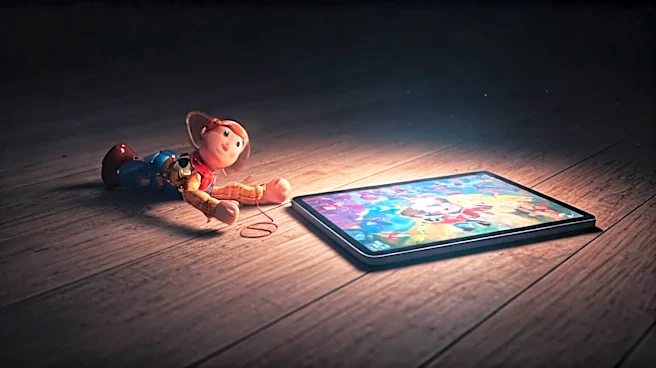
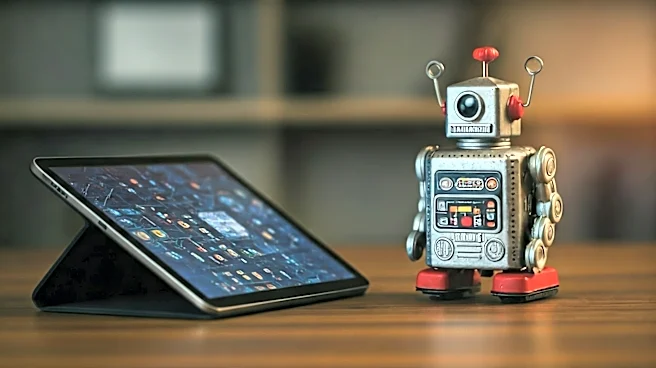
This is where Toy Story 5 has an opportunity that feels both obvious and brilliant. The ultimate 'new thing' that threatens a classic toy in 2026 isn't another, cooler toy. It's the iPad. It's the Nintendo Switch. It's the endlessly scrolling feed of digital content. The existential threat to Woody and Buzz is no longer a flashy space ranger; it's the very concept of non-digital play becoming obsolete. Imagine a story where Andy’s kids, or any child, simply don't want to play with toys. Not because they’re broken or old, but because a screen offers a more immediate, more stimulating dopamine hit. Suddenly, the toys' existential crisis becomes a perfect mirror for the tech guilt of the parents in the audience—the very millennials who grew up with Woody and are now navigating screen time limits with their own children. The film can ask: what is a toy's purpose in a world that may not need them anymore? By doing so, it directly engages the anxieties of its primary demographic.
Why Other Family Films Stumble
Other animated films have tried to tackle our relationship with technology, but they often fall into two camps. They either lean into it uncritically (The Emoji Movie) or frame technology as a simplistic, one-dimensional villain to be defeated (The Mitchells vs. The Machines, Ron's Gone Wrong). While often charming, these films end with a tidy resolution where the family learns to put their phones down and connect. Toy Story is uniquely positioned for a more nuanced take. It has never been about good vs. evil, but about navigating complex emotional change. It can validate the magic and importance of tangible play without demonizing technology, treating the digital world not as a monster to be slain, but as a quiet, pervasive force that toys—and by extension, parents—must learn to coexist with. It can explore the sadness and confusion of this shift, which is where Pixar’s storytelling truly excels.