





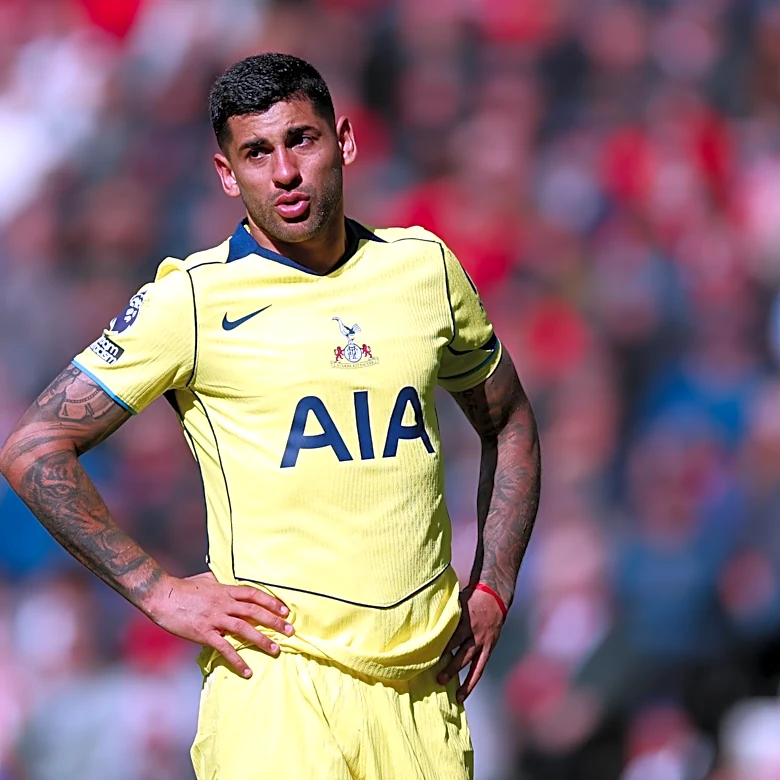




1. The Closer is a Penalty Kick Specialist
It’s the bottom of the ninth, two outs, and you bring in your flame-throwing closer to face one batter. His only job is to execute three perfect pitches. The entire game hinges on this hyper-specialized, high-pressure moment. That’s the exact energy of a penalty
shootout. A soccer team plays for 120 minutes, and then its fate is handed to a player whose only job is to beat the goalkeeper from 12 yards away, and a goalkeeper whose only job is to stop him. Like a closer, the penalty specialist is often brought in specifically for this situation. They don't need to be a great all-around player; they just need unshakable nerves and one elite skill they can execute under maximum stress. The walk from midfield to the penalty spot is just as lonely and agonizing as the walk from the bullpen to the mound with the tying run on third.
2. The 'No. 10' is a Five-Tool Center Fielder
In baseball, the five-tool player is the holy grail. Think Willie Mays, Ken Griffey Jr., or Mike Trout—a player who can hit for average, hit for power, run, field, and throw. They are the engine of the team, the player everything orbits around. In soccer, that's the classic “Number 10.” This is the team’s primary creator, the playmaker who sits behind the strikers. They need the vision to see a pass nobody else sees (fielding/throwing), the skill to dribble past defenders (running), and the technique to score from anywhere (hitting for power and average). Players like Lionel Messi, Kevin De Bruyne, or the legendary Zinedine Zidane define their team’s entire offensive identity. When the ball is at their feet, you feel like something incredible is about to happen, the same way you felt when a five-tool superstar stepped into the batter’s box.
3. The Defensive Midfielder is the Elite Catcher
Who is the most underappreciated, high-IQ player on a baseball field? The elite catcher. He calls the game, manages the pitcher, controls the running game, and frames pitches to steal strikes. He sees the whole field and directs traffic, and his best work often goes unnoticed. Meet soccer’s defensive midfielder, or the “No. 6.” This player sits in front of the defense, breaking up opposition attacks before they start. They are the team’s metronome, controlling the tempo of the game with simple, intelligent passes that launch their own team’s offense. They aren't flashy, they don't score a lot of goals, but they are indispensable. A great defensive midfielder, like N'Golo Kanté or Sergio Busquets, is the brain of the team, providing the stability and structure that allows the flashier offensive players to thrive—just like a Gold Glove catcher makes his entire pitching staff better.
4. Promotion/Relegation is a High-Stakes Farm System
American sports are built on parity. The worst team gets the best draft pick as a reward for being terrible. In most global soccer leagues, the system is the opposite: the worst teams are punished. This is promotion and relegation. At the end of the season, the bottom two or three teams in the top league (like the English Premier League) are demoted to the second division. Simultaneously, the top teams from the second division get promoted to take their place. Imagine if, at the end of the MLB season, the Oakland A's and Kansas City Royals were sent down to Triple-A, and the two best Triple-A teams got to join MLB for the next season. The financial, competitive, and emotional stakes are astronomical. It ensures there is no “tanking.” Every game matters, because the penalty for failure isn't a better draft pick—it's complete and utter banishment.
5. The Soccer Manager is the Manager and GM Rolled Into One
In baseball, roles are distinct. The manager (like a Dusty Baker) handles the lineup and in-game tactics. The General Manager or President of Baseball Operations (like a Theo Epstein) handles player acquisition, trades, and long-term vision. In European soccer, one person often holds all that power. The “Manager”—think Sir Alex Ferguson at Manchester United or Pep Guardiola at Manchester City—is the ultimate authority. They not only select the team and tactics on game day but also have immense, often final, say on which players the club buys and sells (transfers). They are the architect and the foreman, responsible for both the grand blueprint and the day-to-day execution. This concentration of power makes the manager the single most important figure at most clubs, a true baseball equivalent of which doesn't really exist.