
The Blessing: A Nation Galvanized
The most obvious upside to hosting is the party. For a few weeks, the world’s attention is focused on your home turf. The tangible benefit starts with automatic qualification—no grueling preliminary rounds
for the home team. This guarantees them a spot on the grandest stage, a chance to compete against the world’s best. This is accompanied by an unparalleled home-field advantage. The roar of a friendly crowd can be an intimidating force for opponents and a powerful elixir for the home squad, often pushing a team of underdogs to overachieve spectacularly. We saw this with South Korea’s incredible semi-final run in the 2002 World Cup, a feat powered by the energy of an entire country. National pride swells, flags appear on every balcony, and for a moment, domestic squabbles are forgotten in favor of a shared, unifying goal. It’s a powerful cultural moment that money can’t quite buy.
The Blessing: The Infrastructure Payoff
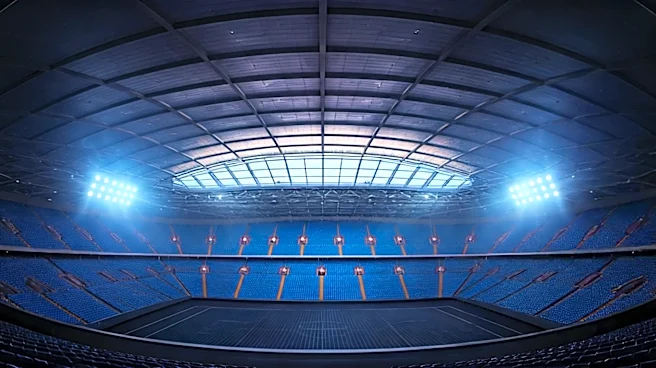
Beyond the pitch, hosting is sold to the public as a catalyst for national development. Proponents argue it’s a once-in-a-generation opportunity to secure massive investment in public infrastructure. New airports, upgraded highways, expanded public transit systems, and, of course, gleaming new stadiums are built. The logic is that these projects will serve the population long after the athletes have gone home, leaving a tangible, positive legacy. In the best-case scenarios, like the 1992 Barcelona Olympics, this holds true. The games were used to completely revitalize the city’s waterfront and transform its international reputation, turning it into a premier tourist destination. When planned correctly, hosting can be a powerful engine for urban renewal and economic stimulus, showcasing the nation as a modern, capable, and welcoming place to visit and do business.
The Curse: The Crushing Weight of Expectation
But for every moment of glory, there’s a dark flip side. The intense spotlight and national hope can curdle into unbearable pressure. Every mistake is magnified, every loss a national tragedy. The players, often hailed as heroes before a ball is even kicked, can quickly become scapegoats. The most harrowing example is Brazil at the 2014 World Cup. As hosts, the expectation wasn't just to compete; it was to win, to exorcise the ghosts of past failures. The pressure was visible on the players' faces, culminating in a tearful, anxiety-ridden tournament that ended in a catastrophic 7-1 semi-final defeat to Germany. It was more than a loss; it was a national humiliation played out in their own backyard. This is the host nation curse in its purest form: the psychological burden becomes so heavy that it crushes the very team it’s meant to elevate.
The Curse: The Billion-Dollar Hangover
The financial curse is perhaps even more insidious. The promised economic boom often fails to materialize for the average citizen, while the costs spiral out of control. Building state-of-the-art venues for sports that may not be popular locally is a huge gamble. After the closing ceremony, many of these billion-dollar stadiums become “white elephants”—costly to maintain, difficult to repurpose, and largely empty. The 2004 Athens Olympics is the poster child for this, leaving behind a legacy of debt and decaying facilities that contributed to Greece's financial crisis. Similarly, images of abandoned Olympic venues in Rio de Janeiro just months after the 2016 games served as a stark warning. Taxpayers are often left footing the bill for decades, questioning whether the fleeting month of national pride was worth the long-term economic pain.