
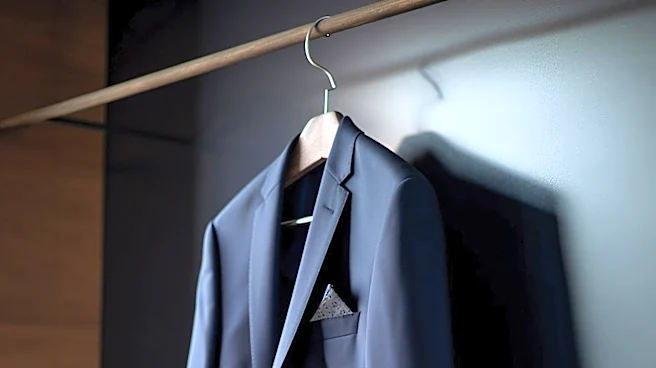


First, What Is Savile Row?
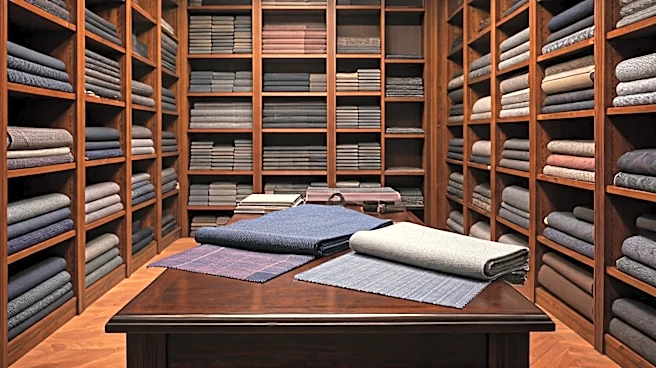
Before we dive into Paris, let’s talk London. Savile Row isn’t just a street; it’s an institution. For over two centuries, this small stretch in Mayfair has been the undisputed global center for bespoke menswear. Think of it as the Oxford of suits. The
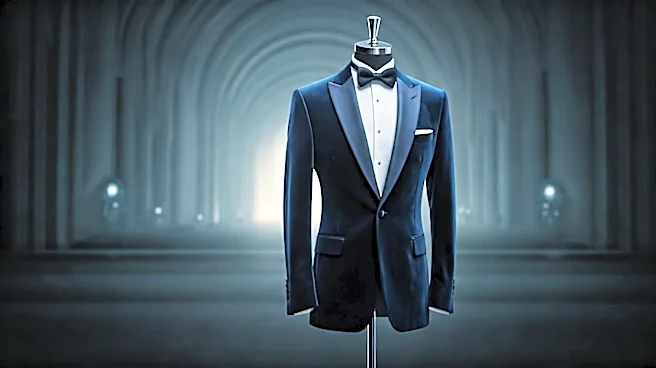
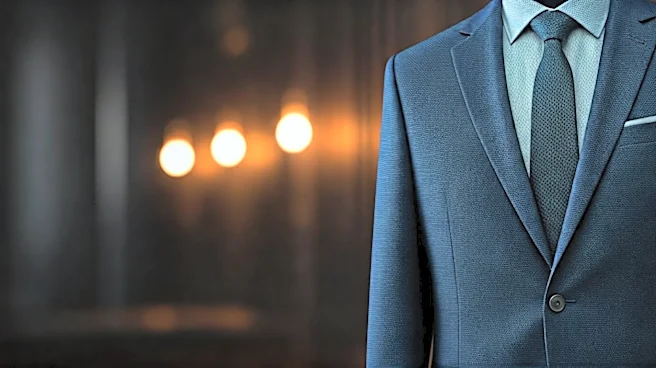
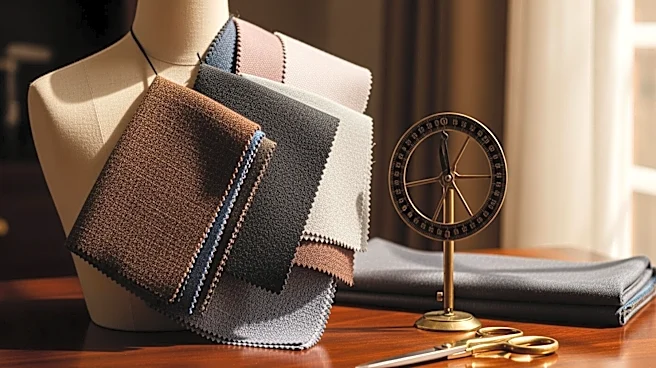
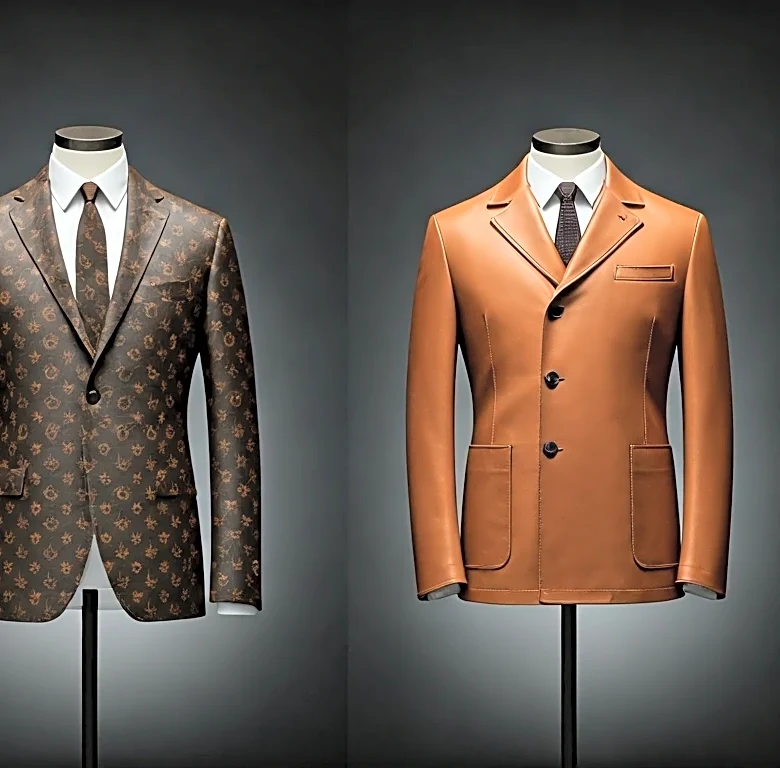
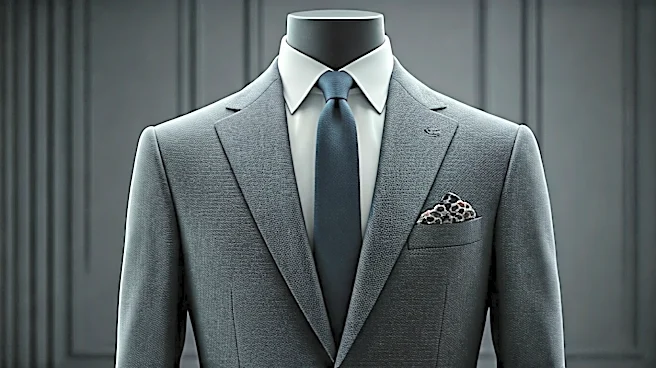
'codes' of Savile Row are a language of precision: the structured shoulder, the nipped-in waist, the high armhole for ease of movement, and an almost obsessive focus on fit and fabric. It’s the origin point for the kind of suit you see on James Bond or a British royal—clothing designed to project quiet authority, permanence, and an unwavering adherence to tradition. It’s less about fashion, which is fleeting, and more about style, which is supposed to be timeless. In short, it’s the antithesis of the hype-driven, logo-heavy world we’ve been living in.
The British Invasion on Parisian Runways
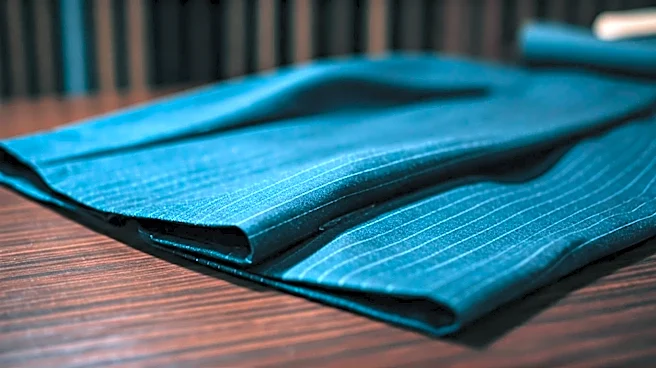
So what does this have to do with Paris, the city of experimental, often deconstructed, fashion? Everything, it seems. At recent shows, designers have been borrowing heavily from the Savile Row playbook. Kim Jones at Dior Men, who is British himself, has consistently infused his collections with the sharp discipline of classic tailoring, presenting impeccably cut coats and suits that echo English sartorialism. Dries Van Noten, a master of blending the elegant with the everyday, has shown collections rich with classic menswear fabrics and silhouettes. You see it in the resurgence of the double-breasted blazer, the return of pinstripes, and the focus on powerful shoulder lines. It’s not a one-off; it’s a consistent hum across the highest echelons of menswear, a clear signal that designers are looking for something more grounded.
A Pendulum Swing From Streetwear
For the better part of a decade, menswear was dominated by streetwear. The ultimate status symbols were the limited-edition sneaker, the oversized hoodie, and the graphic T-shirt. It was a youth-driven, comfort-first movement that completely redefined the male wardrobe. But fashion, like any cultural force, operates on a pendulum. After years of slouchy, casual silhouettes, the eye craves structure. The return to tailoring is a direct reaction to the saturation of streetwear. It’s a palate cleanser. For designers and consumers alike, there’s a renewed hunger for something that feels more permanent and polished. A beautifully made blazer offers a different kind of flex than a hyped-up hoodie—it speaks of sophistication and knowledge rather than just being in on the latest drop.
It’s Reinterpretation, Not Replication
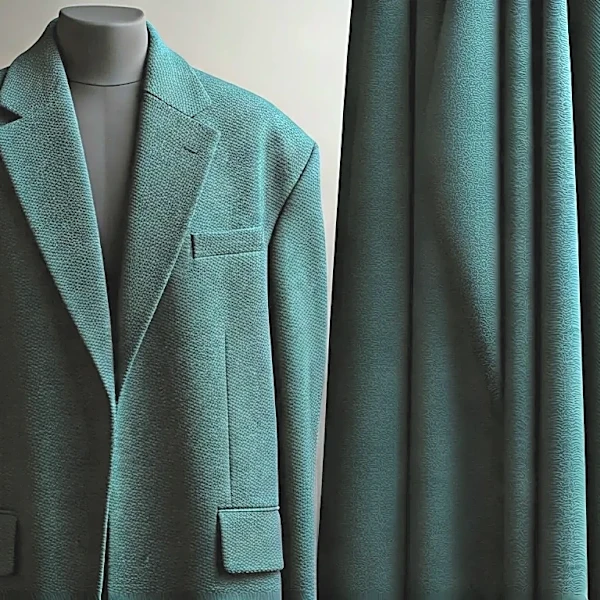
Here’s the critical part: Paris isn’t just copying Savile Row. That would be boring. Instead, designers are taking those strict, traditional codes and twisting them. They’re asking, 'What if a pinstripe suit was made from a fluid, almost liquid fabric?' or 'What if we took the powerful shoulder of an '80s power suit but left the rest of it soft and unlined?' They’re playing with proportion, exaggerating lapels, and pairing razor-sharp trousers with completely unexpected items. This isn’t about making men look like stuffy bankers. It’s about using the *language* of tailoring to create something new. By referencing a set of rules everyone understands, the act of breaking or bending those rules becomes more meaningful. It’s a conversation with history, not a lecture from it.
Redefining Power Dressing for Today
Ultimately, this trend is about a new definition of power. The old Wall Street power suit was about conformity and corporate armor. The tech-bro hoodie was about disrupting that very idea. This new wave of tailoring sits somewhere in between. It’s for a man who appreciates craftsmanship and wants to look put-together, but not constrained. It acknowledges that after years of working from home in sweatpants, putting on something sharp can be a psychological boost. It’s a way to command a room without shouting, using the quiet confidence of a perfect silhouette. This modern embrace of Savile Row’s legacy is less about looking rich and more about looking intentional.