


1. Mix Textures, Not Just Colors
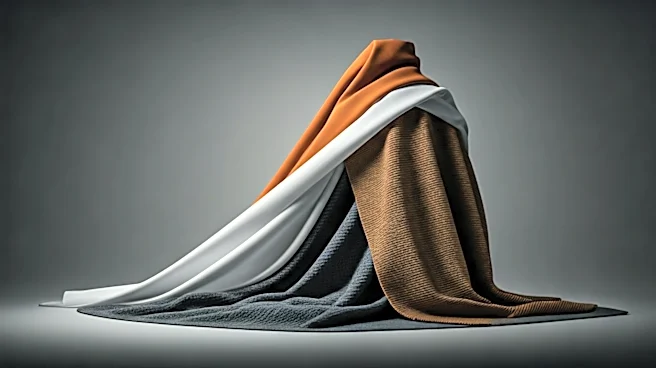
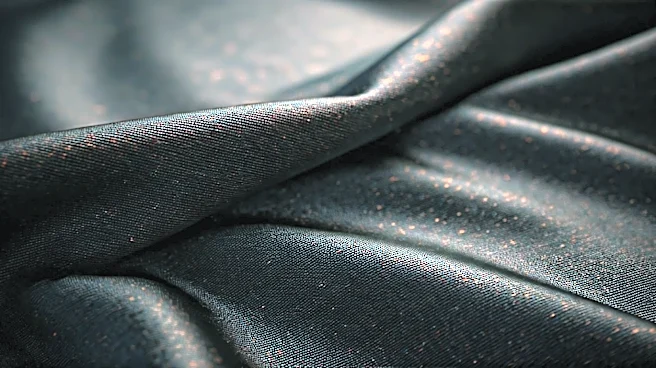
The old way of layering was about piling on knits for warmth. The modern approach, seen everywhere from Burberry to JW Anderson, is about creating a visual conversation between different materials. Think of a slick, liquid-like satin slip dress worn under
a chunky, hand-knit cardigan. Or a crisp cotton button-down peeking out from beneath a rugged leather vest. The goal isn't just to stay warm; it's to create depth and interest. When pieces have distinct textures—rough and smooth, matte and shiny, structured and soft—they stand out from one another, making the whole outfit feel intentional rather than haphazard. Start simple: try pairing your favorite silk blouse with a tweed blazer or a denim jacket over a cashmere sweater. The contrast is what makes it feel current.
2. Embrace Strategic Transparency
One of the most poetic trends to come out of London was the use of sheer fabrics as a layering tool. Designers like Simone Rocha and Erdem masterfully placed transparent organza, tulle, and lace over more solid pieces. This isn't about revealing everything; it’s about hinting at what’s underneath. A sheer, long-sleeved top worn over a simple tank or bralette adds an ethereal quality to an everyday look. A translucent dress layered over tailored trousers and a camisole creates a dynamic, high-fashion silhouette that’s surprisingly wearable. This technique allows you to play with coverage and suggestion, turning a simple base outfit into something far more compelling. It’s a way to add a layer without adding bulk, perfect for transitional weather.
3. Master the High-Low Hybrid
The line between formalwear and casualwear has officially dissolved. London’s designers championed the art of mixing dressy pieces with utilitarian basics. This could be as simple as a hoodie worn under a sharply tailored blazer or an elegant evening skirt paired with a casual crewneck sweatshirt and sneakers. This approach subverts expectations and breathes new life into items you might otherwise save for a special occasion. By grounding a formal piece with something relaxed, you make it appropriate for daytime and give it a cool, effortless edge. The key is to ensure the fit of each piece is right. A sloppy blazer won't work, but a well-cut one can elevate anything, even sweatpants.
4. Re-Think Your Proportions
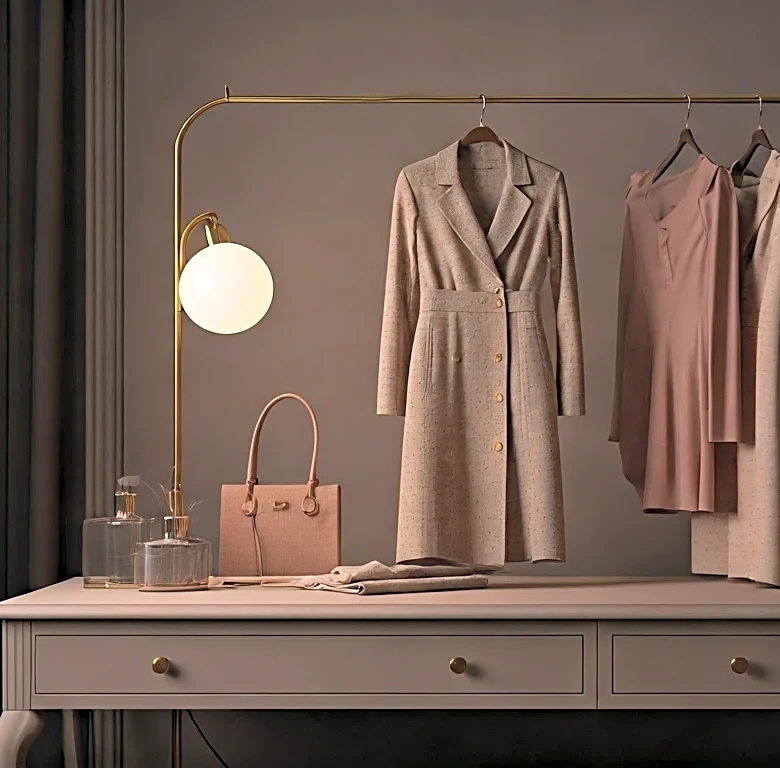
Modern layering is a game of proportions. Forget the rule that you should only have one voluminous piece in an outfit. London’s runways showed us how to play with scale in more inventive ways. A long, flowing trench coat was thrown over a slightly shorter midi dress, which in turn was layered over tall boots. A cropped jacket was styled over a long, untucked button-down shirt. This creates interesting lines and a sense of movement. The trick is to define your shape somewhere. If you're wearing a long coat over a long shirt, you might belt the coat to highlight your waist or ensure your trousers are slim-fitting to provide a contrasting line. It's about creating a deliberate silhouette, not getting lost in your clothes.
5. Let Your Collar and Cuffs Do the Work
Sometimes, the most effective layering is the most subtle. Across multiple shows, the focus was on the small details peeking out from a top layer. A brightly colored turtleneck collar emerging from the neckline of a neutral crewneck sweater. The crisp, formal cuffs of a dress shirt pushed out from the sleeves of a casual jacket. These small flashes of color, pattern, and texture are what stylists call a 'third piece'—an element that makes an outfit feel complete and polished. It’s the easiest rule to adopt. Simply let the collar of your favorite striped shirt pop out over a simple knit, or roll up your blazer sleeves to show a sliver of the blouse underneath. It’s a low-effort move with a high-impact result.