






1. Master the International Snack Game
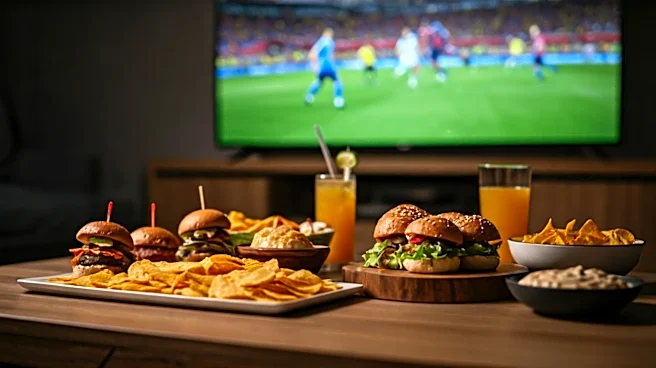
Resist the urge to just dump a bag of tortilla chips in a bowl. Soccer is a global sport, and your snacks are the easiest way to set the theme. You don't need to cook a five-course meal, just upgrade the basics. Instead of standard salsa, grab a jar of chimichurri
(an Argentine herb sauce) and serve it with grilled bread. Instead of wings, try making or buying some simple Japanese-style karaage (fried chicken). A good cheese and charcuterie board is always a winner, but give it an international twist with some Spanish chorizo or Italian prosciutto. The goal is to offer flavors that feel a little more special than the usual Sunday football fare, creating a sense of occasion without requiring a culinary degree.
2. Pour More Than Just Domestic Beer
Sure, have some American light lagers on hand, but a soccer tournament is the perfect excuse to explore the world’s beer aisle. It’s a simple touch that makes you look like a hosting genius. Grab a six-pack from a couple of the powerhouse soccer nations. Think a German pilsner, an English ale, a Belgian Tripel, or a crisp Mexican lager like Modelo or Pacifico. For your non-beer-drinking friends, consider a big batch of red sangria (for Spain) or a Pimm's Cup (for England). These are easy to make ahead of time and serve in a large pitcher, freeing you up to actually watch the game.
3. Learn Just Enough Soccer to Sound Smart
You don't need a deep tactical analysis. Just learn three things to follow the drama. First, understand the clock: it runs up to 45 and 90 minutes, and "stoppage time" (extra minutes for interruptions) is added at the end of each half. This is where most of the late drama happens. Second, know what a "set piece" is. This refers to a free kick or a corner kick—a dead-ball situation that often leads to a goal and is a moment of high tension. Yell “Big chance here!” when you see one. Third, grasp the concept of a "counter-attack." This happens when one team defends, suddenly wins the ball, and sprints toward the other end to score. It’s one of the most exciting plays in the sport.
4. Understand the Tournament Stakes
Not all games are created equal. The vibe for a group stage match is very different from a do-or-die knockout game. Tournaments start with a "Group Stage," where teams play to earn points. The mood here is more relaxed; a loss isn't the end of the world. After that comes the "Knockout Stage." This is where the real pressure cooker begins. It’s single-elimination: lose and you go home. If a knockout game is tied after 90 minutes, it goes to 30 minutes of "extra time." If it's still tied, it’s decided by a "penalty shootout," a gut-wrenching series of one-on-one shots between a player and the goalie. Knowing whether you’re in the casual group stage or the tense knockout round is key to managing the energy in the room.
5. Set the Right Viewing Vibe
Soccer is different from American football. There are no constant commercial breaks or timeouts. It’s 45 minutes of continuous action, followed by a 15-minute halftime, then another 45 minutes. This flow affects your hosting duties. All your food and drink prep should be done before kickoff. Once the game starts, people will be glued to the screen. Unlike a Super Bowl party where half the crowd is just there for the commercials and halftime show, a World Cup match commands more focused attention. Keep conversations to a minimum during play and save the catching up for halftime. The best hosts provide the food and drinks and then become focused fans themselves, letting the on-screen drama be the main event.
6. Have a Plan for the Aftermath
A soccer match is an emotional rollercoaster that lasts about two hours. When it's over, the energy can either be euphoric or crushing. Be prepared for both. If the favored team wins, keep the music and drinks flowing for a bit. If there’s a shocking upset or a heartbreaking loss, you’ll need to pivot. Maybe switch the TV to some music or a lighter show to break the tension. Have some dessert or coffee ready to serve as a way to transition the mood. A good host doesn't just plan for the game; they plan for the emotional state of their guests after the final whistle blows. It shows you’re not just providing a screen—you’re creating a complete experience.