




The Uniform Trap
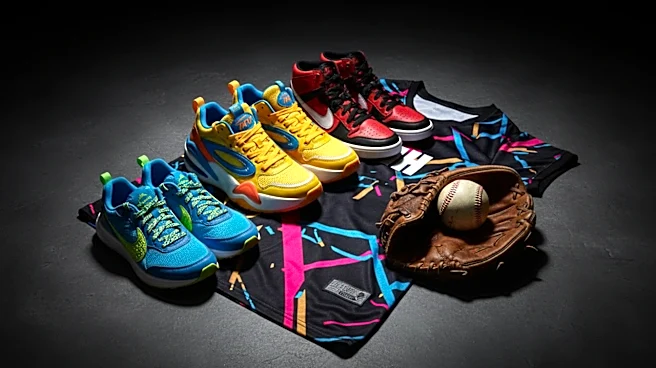
The number one reason a perfectly matched outfit feels off is that it can look like a uniform. Whether for a job or a team, uniforms are designed for group identity, not personal style. When you replicate a team's exact color combination from head to
toe, you risk looking less like a stylish fan and more like you're about to clock in for a shift or run onto the field. Fashion, especially in streetwear, is about personal expression. A head-to-toe match can erase that individuality, making the outfit feel rigid and uninspired rather than a creative choice. The goal is to show your support, not to look like a walking team store display.
The Flaw in Perfect Color Matching
Even if you find a cap, jersey, and sneakers that are all technically the same color, they will rarely look cohesive. Different materials reflect light and absorb dye differently. A cotton cap, a polyester mesh jersey, and leather sneakers will all present the same team color in slightly different shades and textures. This near-miss matching can be more visually jarring than a deliberate contrast. Instead of a seamless look, you get a collection of items that are just slightly off from one another, which can make an outfit feel cheap or poorly planned. True style mastery lies in understanding these nuances and using them to your advantage.
Embrace Coordination Over Matching
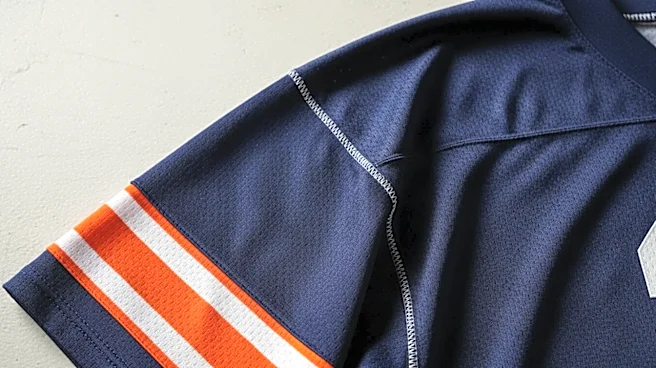
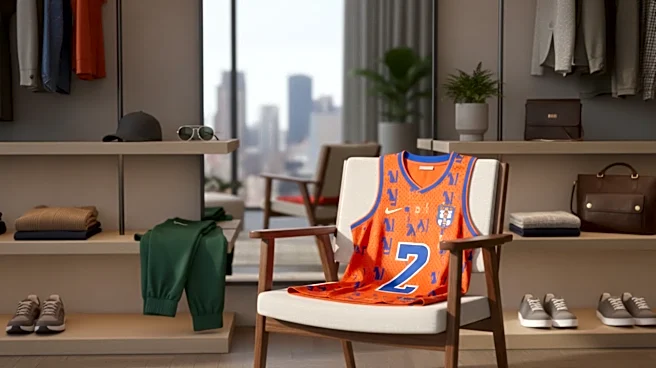
The secret to a great outfit is coordination, not exact duplication. Instead of matching the primary color of your jersey, pick up on a secondary or tertiary accent color for your hat or sneakers. If your jersey is predominantly blue with orange and white logos, try an orange cap or clean white sneakers. This creates a visual connection between the pieces without being overly literal. This approach, sometimes called the "Connect Two" rule, suggests matching just two items while letting the third be a complementary or neutral piece. This simple shift allows each piece to stand on its own while contributing to a unified, thoughtful look.
Go Tonal for a Sophisticated Vibe
A more advanced and increasingly popular technique is tonal dressing. This involves wearing different shades and tints of a single color family. For example, if your team's color is forest green, you could pair your jersey with a lighter sage green cap and darker olive sneakers. This creates depth and sophistication, showing that you have a strong command of color theory. The key is to vary the shades enough to be distinct but keep them within the same family (e.g., all warm tones or all cool tones). This method looks intentional and high-effort in the best way possible, elevating a simple fan outfit into a legitimate fashion statement.
Let One Piece Be the Star
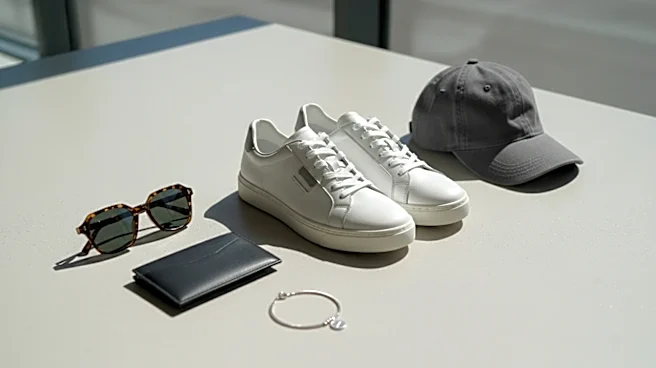
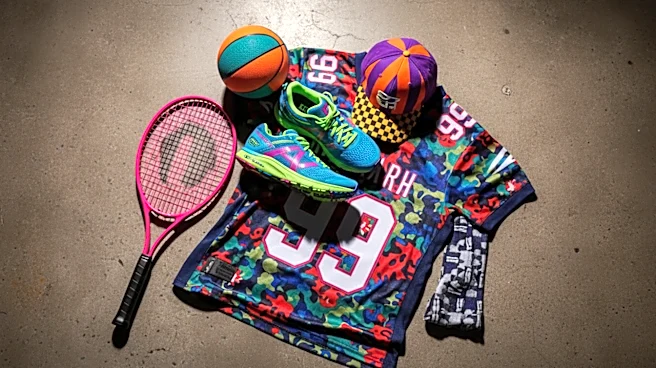
A great outfit has a focal point. When your cap, jersey, and shoes are all screaming for attention in the same bright team color, the eye doesn't know where to land. The result is visual noise. A better strategy is to decide which piece will be the hero of your outfit. If you have a loud, graphic-heavy jersey, let it shine by pairing it with a neutral-colored hat and simple sneakers (think black, white, or grey). Conversely, if you want to show off a rare pair of kicks, wear them with a more subdued jersey and cap. This creates balance and makes the entire outfit more impactful.
Don't Forget Texture and Proportion
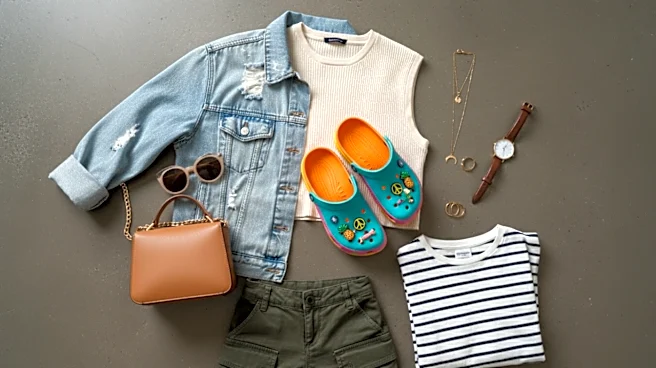
Style isn't just about color. Mixing textures is a pro move that adds incredible depth to an outfit. A wool cap, a mesh jersey, and leather sneakers are far more interesting together than three items made of the same synthetic blend. The interplay between different materials makes an outfit feel richer and more considered. Similarly, pay attention to proportion. An oversized jersey might work best with slim-fit jeans and chunkier sneakers, while a vintage, fitted jersey could be paired with shorts or trousers for a different silhouette. Playing with these elements is what separates simply getting dressed from truly building an outfit.