




The Old Familiar Script
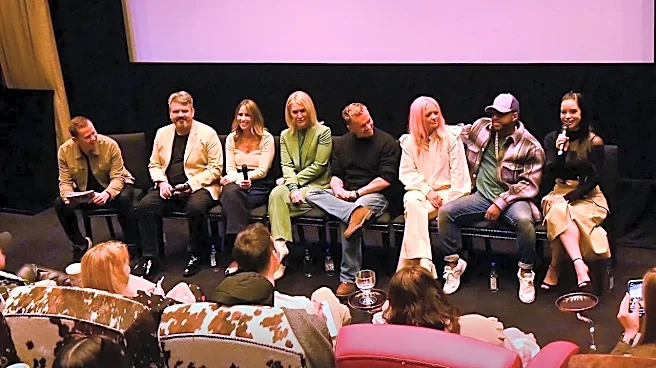
For decades, the filmmaker Q&A followed a predictable script. After the applause fades, a director, often flanked by their lead actors, takes the stage. The questions, from both the moderator and the audience, traditionally orbit a familiar galaxy of topics:
the director's 'vision', the actor's 'process', the aesthetic influences, the challenges of a particularly difficult scene. The conversation is almost always about the art—the 'what' and the 'why' of creation. It's a space for celebrating inspiration, dissecting cinematic language, and reinforcing the romantic ideal of the artist fearlessly realizing a singular vision. This year's BFI London Film Festival, running from October 7-18, has had its share of these classic moments, with titans like Sofia Coppola and Brad Bird holding Screen Talks to discuss their celebrated careers. But listen closely in the smaller screening rooms, and a different conversation is emerging.
The New Pragmatism
The micro-trend isn't a single, explosive moment but a steady, accumulating drumbeat of pragmatism. Increasingly, when asked about their creative choices, filmmakers are pivoting to the practical realities that shaped them. The conversation is shifting from the purity of 'vision' to the necessities of survival. Instead of citing French New Wave as an influence, a director might explain how their shot selection was determined by a tight, two-week shooting schedule. An actor might discuss the gig economy more than their character's motivation. A recent survey of independent film professionals found that a staggering 75.8% identified securing funding as their single biggest challenge. This anxiety is now bleeding into the public-facing Q&As. The new creative priority, it seems, is sustainability—not just of a single project, but of a career. Filmmakers are implicitly, and sometimes explicitly, admitting that the art can only exist if the business of it can be solved first.
Why the Sudden Honesty?
This shift isn't happening in a vacuum. It’s a direct response to seismic changes in the independent film landscape. Traditional financing models have become more precarious, and the promise of a streaming buyout, once seen as a safety net, is proving elusive for many smaller creators. Discussions at industry forums now regularly tackle subjects like artificial intelligence, distribution challenges, and opportunities for international co-productions—topics that were once confined to back rooms but are now part of the main conversation. The result is a generation of filmmakers who are forced to be entrepreneurs as much as artists. They're not just selling a film; they're selling themselves as a viable, ongoing creative enterprise. This new transparency in Q&As can be seen as a strategic move. By openly discussing the financial and logistical hurdles, they are demystifying the process and, perhaps, subtly educating audiences and aspiring creators about the true cost of independent art in 2026.
What This Means for the Movies
So, does this newfound focus on practicality spell the end of bold, uncompromising cinema? Not necessarily. Some of the year's most imaginative films have been born from intense constraints. This trend suggests a move toward a different kind of creativity, one that finds ingenuity within limitations. It might lead to more contained, character-driven stories that don't rely on massive budgets—a welcome counterpoint to the blockbuster franchise machine that dominates Hollywood. However, the risk is that a relentless focus on financial viability could temper risk-taking. If every creative decision is weighed against its marketability, truly strange, difficult, or non-commercial ideas may never get past the planning stage. The 'micro-trend' of the Q&A, then, becomes a macro-indicator of the central tension in modern filmmaking: the eternal struggle between art and commerce, now being fought more openly than ever before.