




First, Understand the Enemy
To win the war against chapped lips, you need to know why they happen. The skin on your lips is incredibly thin and delicate. Unlike the rest of your skin, it has no oil glands to keep itself moisturized, making it vulnerable. Cold weather, dry indoor
heating, sun exposure, and dehydration are common culprits that strip away what little moisture your lips have. But often, the products and habits we use to "fix" the problem are the real saboteurs.
Read the Label: The Good Guys
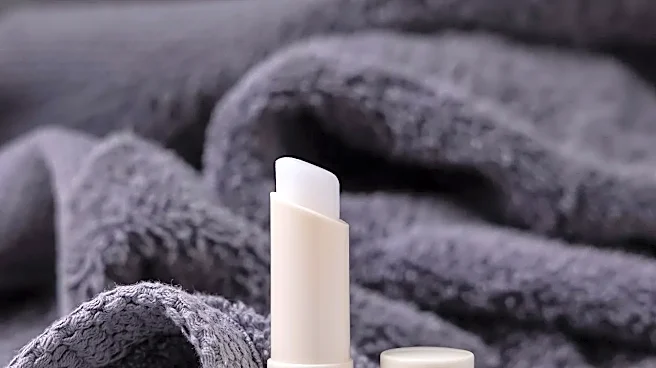
The secret to effective treatment lies in the ingredient list. A good lip balm doesn't just add a slippery layer; it heals and protects. Dermatologists recommend looking for products with occlusive agents, which create a physical barrier to seal in moisture. Top-tier occlusives include petrolatum (or white petroleum jelly), mineral oil, and dimethicone. Also look for emollients that soften and nourish, like shea butter and castor seed oil, and humectants like ceramides that help repair the skin's natural barrier. For daytime use, a balm containing a mineral sunscreen like zinc oxide or titanium oxide is crucial for protection.
Read the Label: The Bad Guys
Many popular lip balms contain ingredients that create a deceptive feeling of relief while actually making things worse. That tingling sensation you might think is a sign of healing? It's often just irritation. Be sure to avoid products containing camphor, menthol, eucalyptus, and phenol. Fragrances and flavorings—especially cinnamon, citrus, and mint—are also common irritants that can lead to a cycle of dryness and inflammation. Salicylic acid, which is great for exfoliating other parts of your skin, is too harsh for delicate lips and should also be avoided while they are chapped.
Break the Licking Cycle
It feels like a natural instinct: your lips are dry, so you lick them for a moment of relief. This is, by far, one of the worst things you can do. Your saliva contains digestive enzymes, like amylase, that are meant to break down food. When you coat your lips in saliva, these enzymes start to wear down the delicate skin barrier. Then, as the saliva evaporates, it wicks away even more moisture, leaving your lips drier than they were before. To break this habit, make a conscious effort to reach for a high-quality, non-irritating lip balm instead.
Exfoliate, But Gently
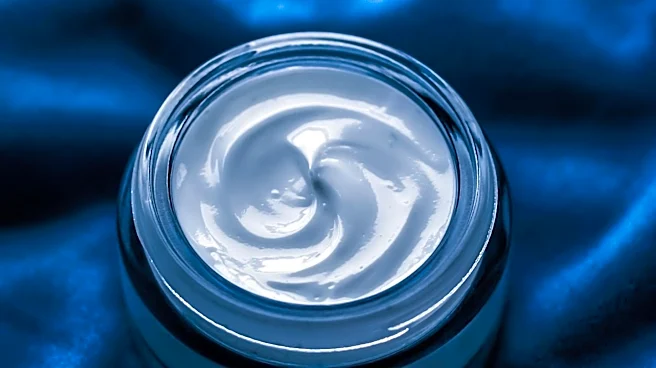
The urge to scrub off dry, flaky skin is strong, but aggressive exfoliation can create micro-tears and worsen inflammation. Instead of using harsh scrubs, the best approach is to soften and then gently remove the dead skin. Apply a thick layer of a heavy ointment, like petroleum jelly, before you go to sleep. In the morning, the dry skin will be soft enough that you can gently wipe it away with a soft, damp washcloth or your finger. This removes the flakes without damaging the new skin underneath.
Heal From the Inside Out
Topical treatments are only half the battle. Since chapped lips are, by definition, dry lips, staying well-hydrated by drinking plenty of water is a foundational step. In very dry environments, especially during winter, running a humidifier in your home can add moisture to the air and benefit your lips and skin. True healing involves creating an environment—both internal and external—that promotes moisture retention.