




The Anatomy of a Red-Zone Moment
In the NFL, the red zone is more than just a measurement on the field; it’s a state of mind. Everything changes inside the 20. The windows for quarterbacks get tighter, defenses play with more urgency, and the playbook itself seems to shrink to only the most
trusted calls. The deep threat is gone, replaced by a need for precision, timing, and brute force. Offenses that thrive here do so with a special set of plays designed for this compressed space, and fans know that a failure to convert a red-zone trip into a touchdown is a massive momentum killer.
Enter the Set Piece
Now, picture a soccer match. The game is fluid, constantly moving. Suddenly, a foul is committed just outside the penalty box, or a defender kicks the ball over their own goal line. The referee blows the whistle. The game stops. This is a set piece—a free kick or a corner kick. Just like a timeout before a crucial 3rd and goal, this pause allows both teams to reset and organize for a single, pre-planned play. The attacking team can finally execute a rehearsed routine, something that’s nearly impossible during the chaos of open play.
High Stakes and High Pressure
Here's where the analogy clicks into place. A corner kick or a dangerous free kick is soccer’s version of a red-zone possession. The entire stadium holds its breath. It’s a sudden, concentrated scoring opportunity where the probability of a goal spikes dramatically compared to the normal flow of the game. A significant percentage of goals in modern soccer, sometimes over a third in major tournaments, come directly from these situations. Just as an NFL offense feels pressure to turn a red-zone trip into seven points, a soccer team knows that wasting a golden set-piece opportunity can come back to haunt them.
The Specialists Take the Field
Red-zone offenses are built around specialists. Think of the towering tight end who is uncoverable on a fade route or the shifty running back who can find a tiny crease for a goal-line touchdown. Set pieces have their own cast of characters. There’s the dead-ball specialist, the player with the unique ability to curve a free kick over a wall of defenders or whip a perfect cross from a corner. Then there are the targets: often the team's tall, powerful central defenders who jog up into the opponent's box, transforming into temporary strikers to use their height and heading ability to power the ball into the net.
A Coaching Chess Match
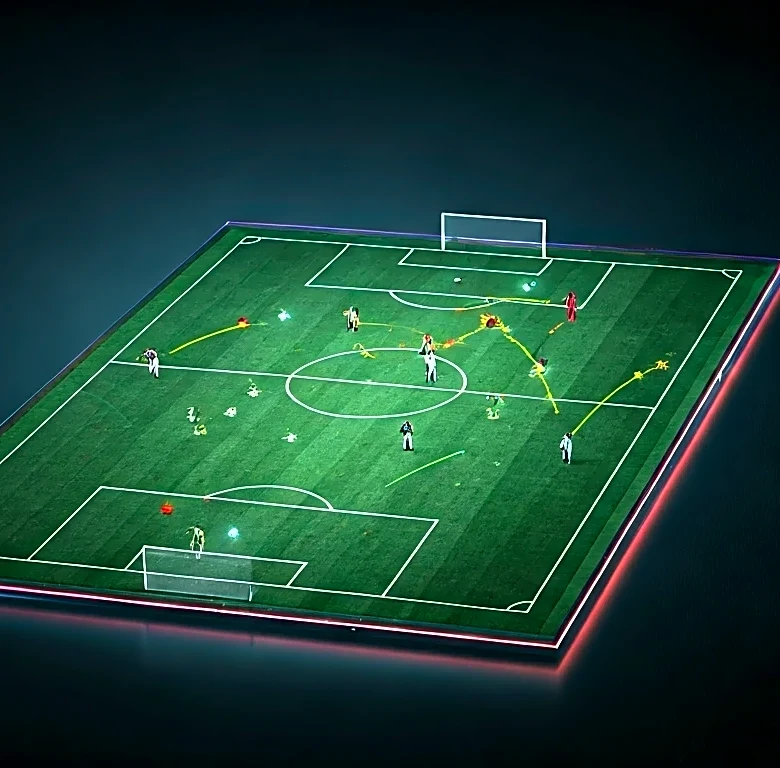
The strategic depth is another parallel. NFL coaches have a dedicated section of their playbook just for the red zone. They script their favorite calls and practice them relentlessly. It's no different in top-level soccer. Many teams now employ dedicated set-piece coaches, some of whom draw inspiration directly from the detailed playbooks of American football. They design intricate routines with blockers, decoy runs, and specific movements to create space and exploit defensive weaknesses. Defending a set piece requires just as much organization, with teams choosing between man-marking, zonal defense, or a hybrid system to avoid being broken down. It's a highly choreographed chess match in the middle of a fluid game.