
The Battlefield: Your Skin on Accutane in Your 20s
Think back to your first run-in with isotretinoin, the powerful drug branded as Accutane. Its mission was simple: to shut down the overactive oil glands fueling your acne. And it worked. By dramatically
reducing sebum production, it cleared up breakouts like nothing else could. The trade-off, however, was a new set of challenges. Your skin became profoundly dry, your lips were constantly chapped, and you were suddenly more sensitive to the sun. Your skincare routine was one of defense and crisis management. It revolved around heavy-duty lip balms, gentle cleansers, and basic moisturizers to counteract the drug's potent effects. The primary goal was to survive the treatment with your skin barrier intact.
A New Landscape: Your Skin's Natural Trajectory in Your 40s
Setting Accutane aside for a moment, let’s talk about what skin naturally does as it enters its 40s. The changes are significant and universal. Production of collagen, the protein that provides firmness and structure, drops significantly. Cell turnover, the process of shedding dead skin cells to reveal fresh ones, slows down from about 28 days to as long as 45 days. Natural production of hyaluronic acid and oils also diminishes. This combination results in skin that is thinner, drier, less firm, and duller. Fine lines become more pronounced, and the cumulative effects of sun exposure from your younger years start to appear as dark spots and uneven tone.
The Crucial Intersection: Why It Matters More Now
This is where your past and present collide. The changes Accutane made to your skin don't just disappear; they establish a new baseline. Your skin may have permanently reduced oil production, making it fundamentally drier than it would have been otherwise. Now, combine that with the natural, age-related dryness of your 40s. The effect is compounded. While Accutane doesn't necessarily accelerate biological aging, the dryness it can cause can make fine lines and wrinkles appear more pronounced. Furthermore, the heightened sun sensitivity you experienced during treatment may have made your skin more susceptible to UV damage over the years, which becomes more visible in your 40s. Your skin's support system is naturally weaker due to collagen loss, and it's starting from a drier, more reactive place. This is why a targeted routine isn't just a good idea in your 40s—it's essential for managing how your post-Accutane skin ages.
The 40s Playbook for Post-Accutane Skin
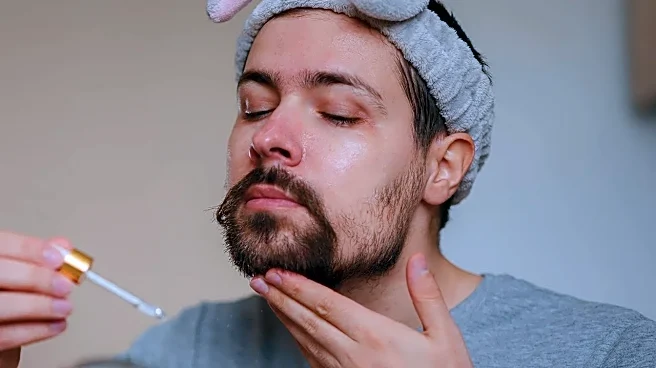
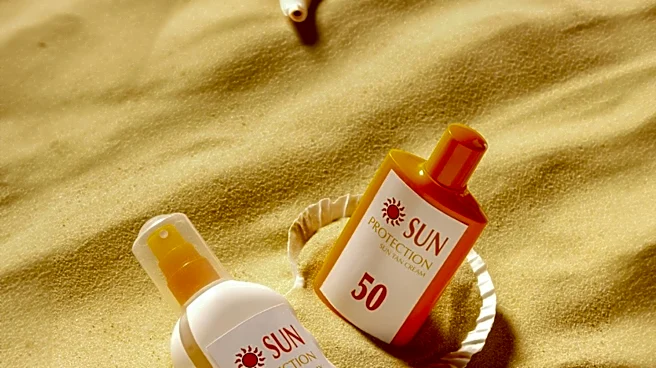
Your new routine isn't about fighting acne; it's about strategic support. It should be built on three pillars: 1. Radical Hydration and Barrier Support: Your skin is thirsty. Go beyond basic moisturizers and incorporate ingredients that attract and hold water, like hyaluronic acid. More importantly, focus on rebuilding your skin's protective barrier with ceramides. A healthy barrier is crucial for retaining moisture and reducing sensitivity. 2. Gentle Renewal, Not Aggression: While you might be tempted to reach for powerful anti-aging actives, post-Accutane skin often remains sensitive. Instead of high-strength retinoids that could cause irritation, consider gentler forms like retinaldehyde or bakuchiol, a plant-based alternative. These can help encourage cell turnover and support collagen without overwhelming your skin. Peptides are another excellent addition for signaling collagen production. 3. Uncompromising Sun Protection: This is the single most important step. Your skin may have a long memory of sun sensitivity. A broad-spectrum sunscreen with at least SPF 30 is non-negotiable, applied every single day, rain or shine. This will protect your dwindling collagen stores and prevent the worsening of dark spots and fine lines.