



The Post-Show Pilgrimage
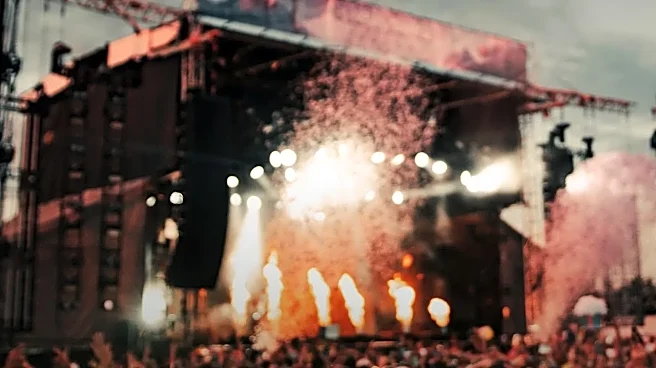
It’s a familiar scene at Austin City Limits. After ten hours of sun, sound, and navigating a sea of fellow music lovers, your body is sending one clear signal: it’s time to refuel. The main stages go dark, but the festival’s sprawling food courts, like
ACL Eats, become beacons in the night. Here, under strings of lights, you’ll find a who’s who of Austin’s culinary scene, from the legendary Mighty Cone and Veracruz All Natural tacos to smoky brisket from KG BBQ and spicy fried chicken. The air, once thick with bass and electric guitars, now hangs heavy with the scent of grilling meat, fries, and pizza. That late-night meal isn't just sustenance; it's the final act of the day, a communal ritual of recovery shared among thousands of exhausted but happy fans.
Your Brain on an Empty Stomach
The most straightforward reason that late-night festival fare hits different is simple: you are genuinely, profoundly hungry. Hunger is an evolutionary survival mechanism. When your body is low on energy, it doesn't just rumble; it rewires your perceptions. Research shows that being hungry can heighten your sensitivity to sweet and salty tastes, making calorie-dense foods seem more intense and rewarding. Your brain releases dopamine, a pleasure-associated neurotransmitter, in anticipation of and during eating. This makes the experience feel especially satisfying. After a day of dancing, walking, and likely skipping a proper meal, your body craves the exact things festival food delivers in spades: salt, fat, and carbohydrates. That slice of pizza or basket of kimchi fries isn't just tasty; it's your body getting exactly what it's been screaming for.
The Science of Sensory Burnout
But it’s more than just hunger. Think about what your brain has endured all day: a constant barrage of loud music, flashing lights, and the cognitive load of navigating huge crowds. This leads to a phenomenon known as sensory or palate fatigue. While it might sound like your taste buds get tired, it’s actually your brain that becomes less responsive to nuanced stimuli after being overexposed. By the end of the night, your brain is seeking clear, strong signals. It’s less interested in subtle, complex flavors and more receptive to bold, straightforward tastes—like the salty, fatty goodness of a burger or the intense sweetness of a Tiff's Treats cookie. Studies have also found that both mental and physical fatigue can alter taste perception, often dulling our ability to process complex sensations and making us crave simple, powerful rewards. That festival food tastes so good because it's cutting through the noise and giving your exhausted brain the simple, potent hit it craves.
It's Not Just the Food, It's the Feeling
Ultimately, the unmatched flavor of an after-hours festival meal is about context. The food itself is part of a larger emotional and psychological experience. Festivals create a space where normal routines are suspended, and a shared sense of community and celebration takes over. Eating becomes a communal act that fosters a sense of belonging and creates positive memories. That late-night taco isn't just a taco; it's a moment of relief, a point of connection with friends, and a delicious punctuation mark on an unforgettable day. The cool night air, the shared stories of which bands you saw, the collective comedown from the day's high—it all combines to form a powerful sensory and emotional cocktail. The food is the anchor for that memory, forever linking the taste of a warm corndog or a fresh-squeezed juice with the magic of the festival itself.