



Think of a 0-0 Match as a Pitcher’s Duel
A 12-strikeout, one-hit performance from your ace is one of the most thrilling things in baseball. It’s a masterclass in control, strategy, and utter dominance. The score might be low, but the tension is immense. Every pitch matters. Every swing carries
the weight of breaking a perfect game or no-hitter. A great 0-0 soccer match is the exact same thing, just with 22 players instead of two. It’s not a sign of failure; it’s a sign of elite defensive structure and tactical brilliance. Each team’s back line is the ace pitcher, snuffing out threats before they can even materialize. A perfectly timed slide tackle is the equivalent of a nasty slider for a swinging strike three. Watching two world-class defenses refuse to yield is a chess match where a single mistake—a bad pass, a moment of lost concentration—can decide the entire contest. The tension doesn't come from constant scoring, but from the constant threat of it.
An Attack Buildup Is a High-Leverage At-Bat
Consider a full-count, bases-loaded situation in the bottom of the ninth. The pitcher and batter are locked in a psychological battle. The pitcher works the corners, mixes speeds, and tries to induce weak contact. The batter is patient, fouling off tough pitches, waiting for one mistake to drive in the winning run. The drama isn't the home run itself, but the meticulous process that leads to it. Now, watch a top soccer team in possession. It’s the same dance. They aren’t just kicking the ball around aimlessly. They’re probing the defense with a series of short, deliberate passes, trying to pull a defender out of position. A pass to the wing is like a fastball outside to see if the batter will chase. A quick one-two in the midfield is a changeup to disrupt timing. The whole sequence is designed to create one perfect opening for a through-ball or a shot. The beauty isn't just the final goal; it's the 15-pass sequence of tactical genius that made it inevitable.
Formations Are Just Defensive Shifts on a Grand Scale
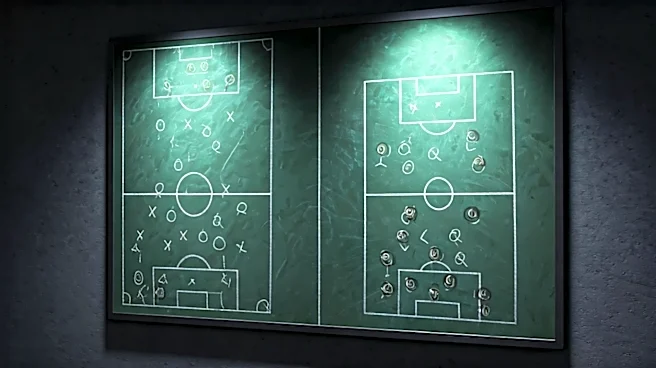
Baseball fans are now fluent in the language of analytics and positioning. You understand why a team shifts three infielders to the right side of the diamond for a pull-happy lefty. It’s about playing the percentages and taking away the opponent’s most likely path to success. Soccer formations (like a 4-4-2 or a 4-3-3) are the same concept, writ large across an entire field. A manager choosing to play with five defenders is essentially executing a massive defensive shift, sacrificing an attacker to clog up passing lanes and protect their goal. When a team “parks the bus,” they’re bringing everyone back, daring the other team to hit a perfect shot through a wall of bodies. Mid-game tactical adjustments are the equivalent of a manager calling for a hit-and-run or bringing in a defensive replacement. It’s a constant, flowing adjustment to the other team’s strategy.
The Counter-Attack Is a Stolen Base
A walk, a single, a fielder’s choice—baseball can feel methodical. Then, a runner takes off for second. In an instant, the slow rhythm is shattered. The pitcher, catcher, and middle infielders explode into action. It’s a high-risk, high-reward play that can completely change the complexion of an inning. It’s a jolt of pure adrenaline. This is the soul of the counter-attack. One team is patiently passing, controlling the game’s tempo, when suddenly—a turnover. A defender intercepts a pass and in a flash, three or four players are sprinting the other way. The game flips from a slow siege into a mad dash. This sudden, vertical explosion is soccer’s version of stealing a base or a home run on the first pitch. It’s the moment the game’s pent-up energy is violently released, and it’s one of the most exciting plays in any sport.