



The Authenticity Engine
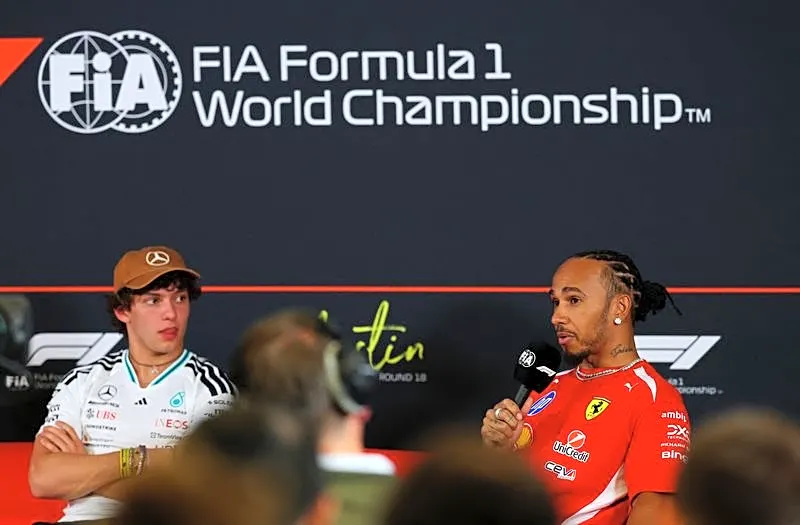
In the highly commercialized world of modern sports, authenticity has become the most valuable currency. Fans are savvy; they know a driver is contractually obligated to wear a team polo covered in sponsor logos. It represents the corporation. But when
a driver shows up in their own clothes—a vintage band t-shirt, a tailored suit, or a piece from an up-and-coming streetwear brand—it offers a glimpse of the person behind the helmet. That choice feels personal and, therefore, more genuine. This connection is crucial. Fans don't just root for a car; they root for the human inside it. A driver's off-duty wardrobe is a form of storytelling, expressing personality, interests, and values without a script. This narrative is something fans can connect with on a personal level, making them feel closer to their hero than any team-issued gear ever could.
The Hamilton Effect
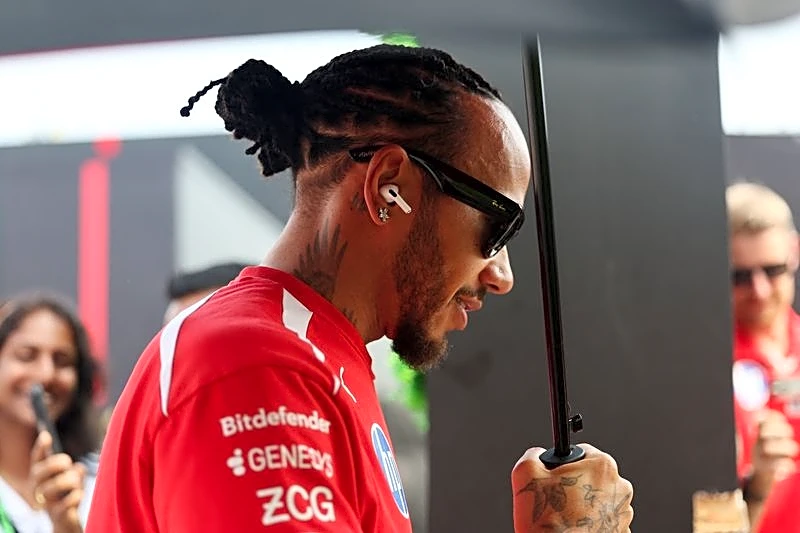
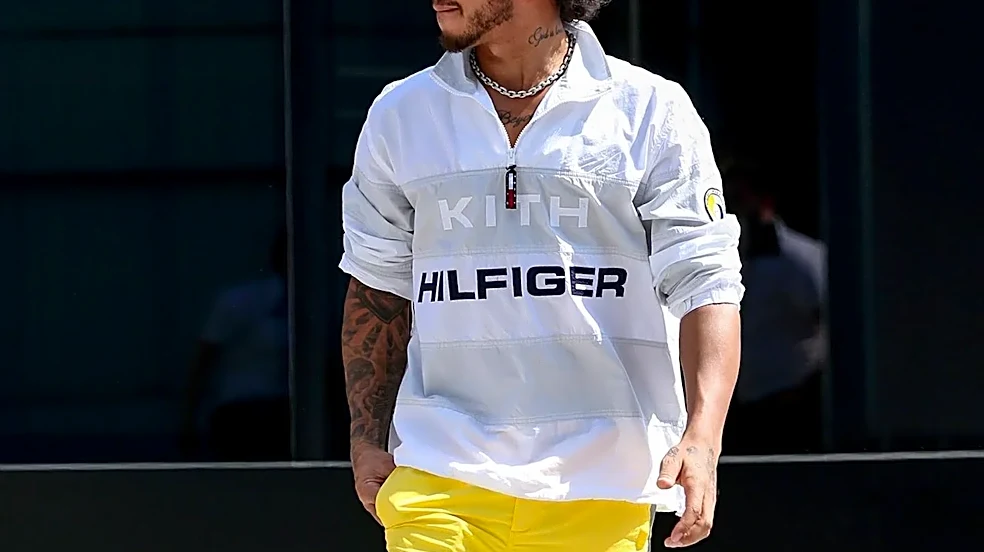
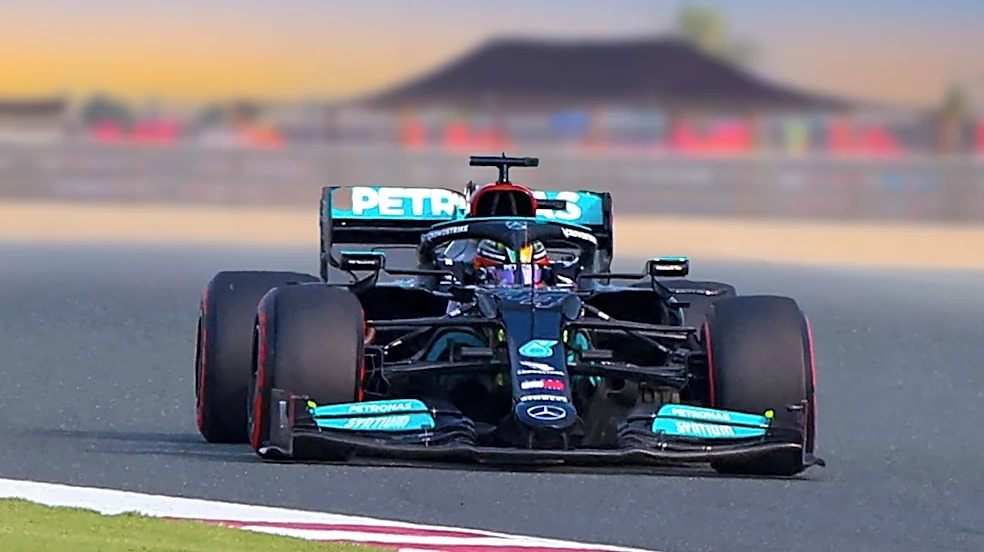
No driver embodies this phenomenon more than Lewis Hamilton. For years, he has treated the paddock walk as his personal catwalk, making headlines with bold, high-fashion looks from luxury houses and emerging designers. This wasn't just a hobby; it was a deliberate act of self-expression in a sport that was, for a long time, visually uniform. Hamilton's influence extends far beyond just wearing nice clothes. His collaborations with brands like Tommy Hilfiger and his role as an ambassador for Lululemon demonstrate a deep integration into the fashion world. He hasn't just worn fashion; he has shaped it, proving that a driver's brand can be a powerful fashion platform. His success created a blueprint, showing other athletes that their influence isn't confined to the track.
A New Generation of Style
While Hamilton may have paved the way, a new generation of drivers has embraced personal style as a key part of their brand. Charles Leclerc’s personal merchandise line, for instance, reflects his own understated and premium aesthetic, completely separate from the official Ferrari team apparel. It’s clothing designed to be worn in everyday life, not just at the track. Similarly, Daniel Ricciardo's laid-back, distinctly Australian vibe is a core part of his popular 'Enchante' clothing line, which captures his fun-loving personality. This trend is visible across the grid, with drivers like Zhou Guanyu, Pierre Gasly, and George Russell also gaining recognition for their distinct fashion sensibilities. The message is clear: drivers are no longer just athletes; they are multi-faceted personalities and style influencers in their own right.
From Paddock to Shopping Cart
So how does a driver’s taste in jackets translate to sales? It creates a new, more accessible lane for fan merchandise. While official team kits can be expensive and overtly sporty, merchandise inspired by a driver’s personal style is often more subtle and fashion-forward. Online marketplaces are filled with fan-designed t-shirts, art prints, and accessories that reference a driver's off-track moments or signature looks. These items thrive because they feel like an inside joke or a shared appreciation for the driver's personality. Teams and drivers themselves are capitalizing on this. Limited-edition capsules and driver-specific collections that echo their personal style, rather than just the team colors, often sell out quickly. They appeal to a broader audience, including a growing female fanbase that has historically been underserved by traditional, boxy merchandise. In this new landscape, a driver's personal brand is the ultimate asset, and their wardrobe is its most visible expression.