



The Classic Forearm Roll
This is the roll you likely learned first, and for good reason: it’s straightforward, reliable, and universally acceptable. Think of it as the workhorse of sleeve adjustments. It’s perfect for a business-casual office when the day is winding down or for a weekend
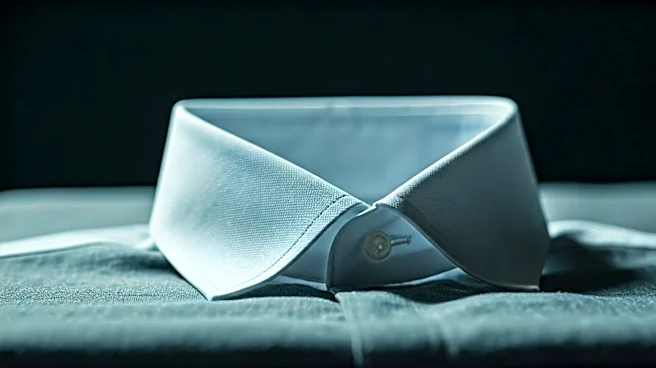
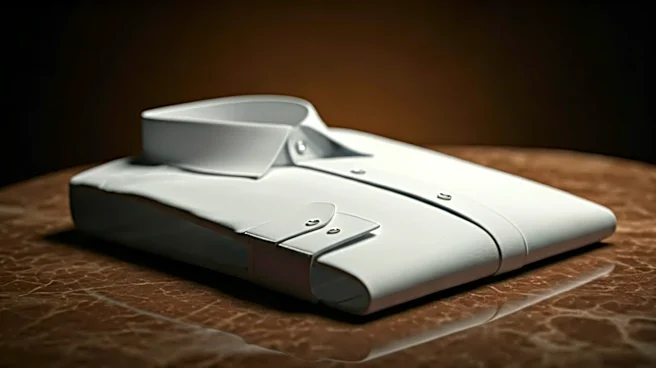
barbecue when you want to look put-together but relaxed. The goal here is a neat, controlled roll that sits just below the elbow. To achieve it, simply unbutton your cuff and gauntlet button (the smaller one further up the sleeve placket). Flip the cuff back on itself, then use the width of the cuff as your guide, rolling the sleeve over and over until you reach your desired height. Aim for two or three clean folds. The key is to keep the rolls relatively tight and even. A sloppy, lumpy forearm roll suggests haste, not style. A clean one says, “I’m ready to get down to business, but I haven’t forgotten the details.”
The Master Roll (The Pitti Special)
Welcome to the main event. The Master Roll—often called the Italian Roll—is the secret handshake of the well-dressed. It’s the method you’ll see on the impeccably tailored attendees of Pitti Uomo, the famed menswear gathering in Florence. Why is it superior? It’s more secure, less likely to come undone, and it looks infinitely sharper. It also allows you to flash a bit of a contrast cuff lining, adding a subtle pop of detail. Here’s the technique: unbutton your cuff and gauntlet. Fold the sleeve up in one large fold, bringing the cuff all the way up to your bicep or just past your elbow. The sleeve will be inside out. Then, take the bottom edge of the folded sleeve (the part now near your elbow) and roll it up once or twice, leaving the very top edge of the cuff peeking out. This two-step process creates a clean, tight band that holds firmly in place. It’s sharp, intentional, and embodies the Italian concept of *sprezzatura*—studied carelessness.
The Quick and Casual Roll
Sometimes, precision isn't the point. The Quick and Casual Roll is for when you're actually, you know, working. Think of a mechanic, a carpenter, or anyone needing to get their hands dirty without ruining a good shirt. This roll is less about a perfect aesthetic and more about pure function, but it carries its own rugged charm. It’s perfect for chambray work shirts, rugged oxfords, and flannel. This method is more of a push-and-bunch than a roll. Unbutton the cuff, give it one or two quick, loose rolls to get it started, and then simply push the entire sleeve up your forearm. It will naturally bunch up around the elbow. Don't overthink it or try to smooth it out too much; the slightly messy, rumpled look is the entire point. It projects an air of unpretentious competence. Just be warned: this isn’t the roll for a boardroom meeting or a fancy dinner, even with the AC on the fritz.
The Rules of the Roll
Knowing how to roll your sleeves is one thing; knowing *when* is another. A few guidelines can help you navigate any situation. First, consider the fabric. Crisp poplin and broadcloth shirts lend themselves to the sharp Master Roll, while thicker fabrics like oxford, flannel, and chambray work well with any method. Second, mind the context. Rolling sleeves is inherently a casual move. In the most formal corporate settings, it’s best to keep your cuffs buttoned. But in most modern offices, rolling your sleeves after 3 p.m. is a welcome signal of productivity. Finally, don't roll your sleeves while wearing a tie unless you’re also removing your jacket. A tie and rolled sleeves without a jacket can look mismatched, like you’re trying to be both formal and informal at once. The best look is often a blazer or sport coat, which you remove before deliberately rolling your sleeves to signal a shift in mood or activity. It’s a power move, but only when executed with intention.