

More Coronation Than Competition
From its inception in 2004, the VH1 Hip Hop Honors established a radically different mission. Unlike the Grammys or the BET Awards, which pit current artists against each other for a given year's prize, Hip Hop Honors was a retrospective. It wasn't about
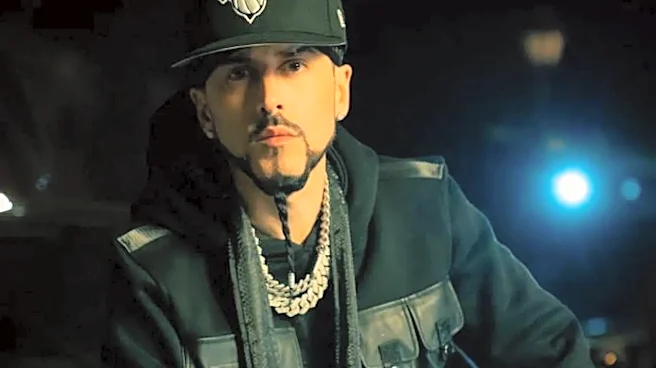
who had the hottest single in the last 12 months; it was about honoring the architects, pioneers, and foundational acts who built the culture. Honorees included legends like Run-DMC, Tupac, Public Enemy, and Queen Latifah. The show's core principle was simple but revolutionary in the media landscape: give the legends their flowers while they can still smell them. By focusing on an artist's entire body of work and long-term influence, the event side-stepped the commercial pressures and fleeting popularity contests that define other shows. It was a night of reverence, not rivalry.
Where Tributes Became Must-See TV
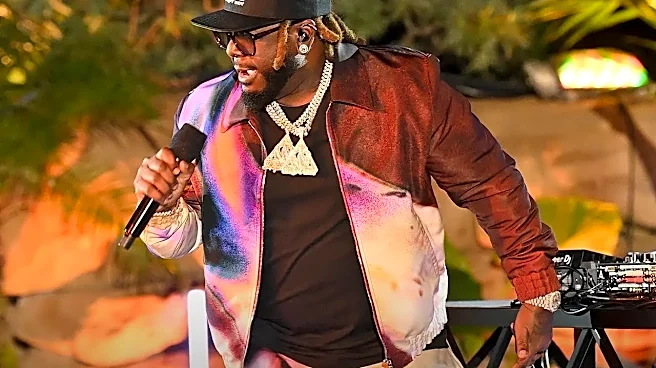
The show's format—having contemporary artists pay tribute to the honorees—created a string of iconic, cross-generational performances. Instead of just watching a legacy act perform their own hits, the audience saw their influence in real-time. You had Eminem and The Roots covering LL Cool J, the Beastie Boys paying homage to Run-DMC, and Teyana Taylor delivering a stunningly accurate tribute to Lil' Kim. These weren't just cover songs; they were heartfelt acknowledgments of artistic debt, performed with a palpable sense of respect. The tribute structure allowed for genuine, often surprising collaborations that celebrated the connective tissue of the genre. When Black Thought, Common, and T.I. joined forces for a Big Daddy Kane tribute, it was more than a performance; it was a demonstration of how one MC’s lyrical DNA had spread through the generations.
An Antidote to Award Show Drama
While other hip-hop award shows became infamous for backstage drama and on-air conflict, Hip Hop Honors cultivated an atmosphere of unity. It was a family reunion, not a battleground. The show’s focus on celebrating pioneers meant that egos were largely checked at the door. The energy was one of shared history and mutual admiration. This stood in stark contrast to the controversies that sometimes overshadowed other events. The 2016 revival, titled "All Hail the Queens," was a powerful example. It honored Queen Latifah, Missy Elliott, Salt-N-Pepa, and Lil' Kim in a night that was a pure celebration of female pioneers. The show culminated in a performance of "U.N.I.T.Y." featuring a stage full of women in hip-hop from across eras, creating a powerful image of solidarity in a genre often criticized for being male-dominated.
A Legacy of Respect
While the show had a few runs and revivals before its final ceremony in 2017, its impact remains clear. Hip Hop Honors provided a mainstream, televised platform that treated hip-hop history with the seriousness and reverence it deserved. It was one of the first major events to codify the genre's canon, making a public declaration that artists like Kool Herc, Afrika Bambaataa, and Russell Simmons were as vital to their field as rock and pop pioneers were to theirs. It understood that hip-hop is a culture built on lineage. By rejecting the conventional, competitive award-show format, VH1 created something with a far more enduring legacy: a living, breathing archive of greatness and a blueprint for how to honor cultural icons with authenticity and love.