



The New Courtside Uniform
Take a walk around the All England Club grounds in 2026, and you'll notice a subtle but significant shift in spectator style. While classic floral dresses and linen suits are still present, a newer, more architectural uniform is taking hold. It consists
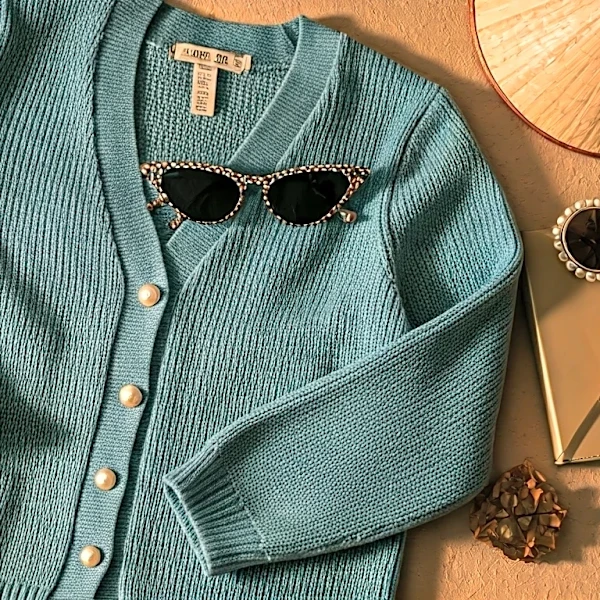
of meticulously crafted separates: knife-pleated skirts, tailored Bermuda shorts, crisp white shirts, and lightweight V-neck knits elegantly draped over the shoulders. This is the “court-to-cocktail” aesthetic, a look that blurs the line between athletic wear and evening-ready elegance. It’s polished, preppy, and carries an air of effortless cool, suggesting the wearer might just as easily pick up a racquet as they would a Pimm’s Cup. This move toward versatile, matching sets speaks to a desire for intelligent dressing at an event where, for spectators, there's no official dress code but a very real 'vibe'.
Enter Thom Browne: The Unseen Architect
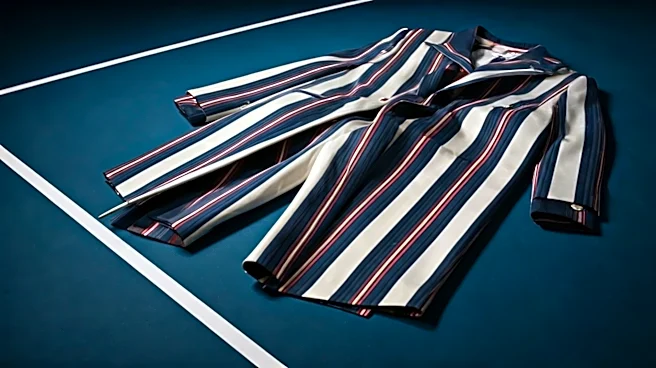
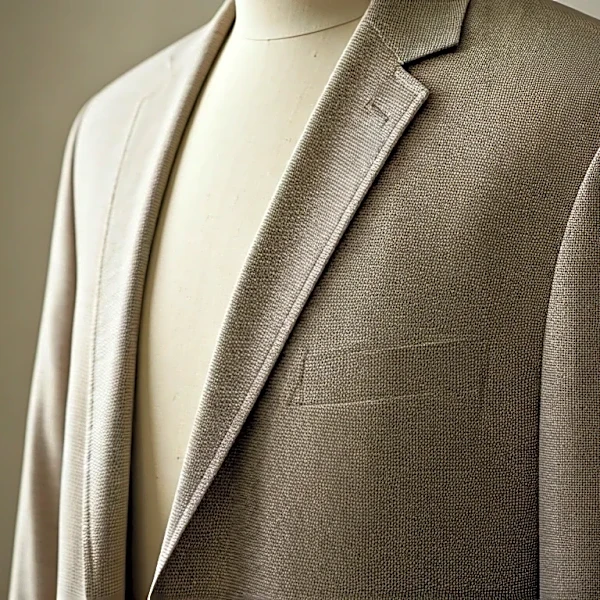
This emerging style has a name, even if most spectators don’t know they’re referencing him: Thom Browne. The American designer has built a global fashion empire on the very aesthetic now populating the stands at Wimbledon. Browne's signature is a radical reinterpretation of mid-century American menswear—think shrunken gray suits, high-water trousers, and, crucially, a deep reverence for varsity and sporting attire. His work has always played with the tropes of uniform and tradition, taking classic sportswear elements like varsity stripes, cable knits, and pleated fabrics and elevating them into high-fashion statements. His famous four-bar stripe motif is itself an homage to old-school athletic jerseys. Browne’s lifelong love of tennis and his history as a competitive player inform his collections, which often blend athletic chic with a preppy, country-club sensibility.
A Deliberate Nod to the Archives
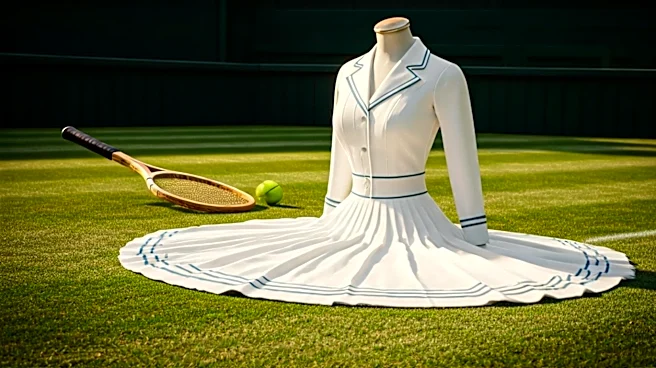
The power of this new Wimbledon look lies in its deep historical roots. The separates championed by Thom Browne—and now adopted by style-conscious spectators—are direct descendants of early 20th-century tennis wear. In the 1920s and '30s, players like France’s Suzanne Lenglen and American Helen Wills Moody revolutionized on-court fashion by ditching restrictive corsets and floor-length skirts for pleated, knee-length skirts, cardigans, and sleeveless tops. These outfits, radical for their time, prioritized movement but retained a tailored elegance. Men, too, began swapping formal flannel trousers for shorts and embracing the short-sleeved piqué cotton shirt introduced by René Lacoste. The cinched waists, pleated skirts, and decorative cardigans of the 1950s further cemented a look of practical, sporty elegance. These archival pieces are the exact building blocks of the modern court-to-cocktail wardrobe.
From Athletic Function to Social Fashion
So why is this look resonating so strongly now? It’s the perfect post-athleisure statement. After years of prioritizing pure comfort, there’s a collective desire for more structure and polish without sacrificing ease. The court-to-cocktail trend, which is part of the larger "tenniscore" movement, offers the best of both worlds. The pleated skirt provides freedom of movement, the tailored knit adds a layer of sophistication, and the matching elements make the entire outfit feel intentional and put-together. It’s a style that respects the heritage of Wimbledon—its elegance, its history, its demand for smart-casual dress—while feeling modern and versatile. It allows spectators to participate in the athletic aesthetic of the day, but reinterpreted through a lens of leisure and luxury, perfectly suited for a day that begins with a tense tie-break on Centre Court and ends with celebratory drinks.