




The Courtside Uniform of 2026
Walk the hallowed grounds of the All England Club this July and you’ll see it everywhere: a sea of impeccably dressed spectators embracing a look of relaxed sophistication. While the players adhere to a strict all-white policy, the unofficial uniform
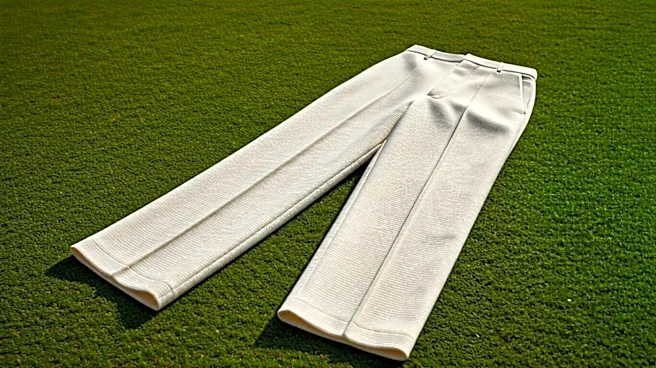
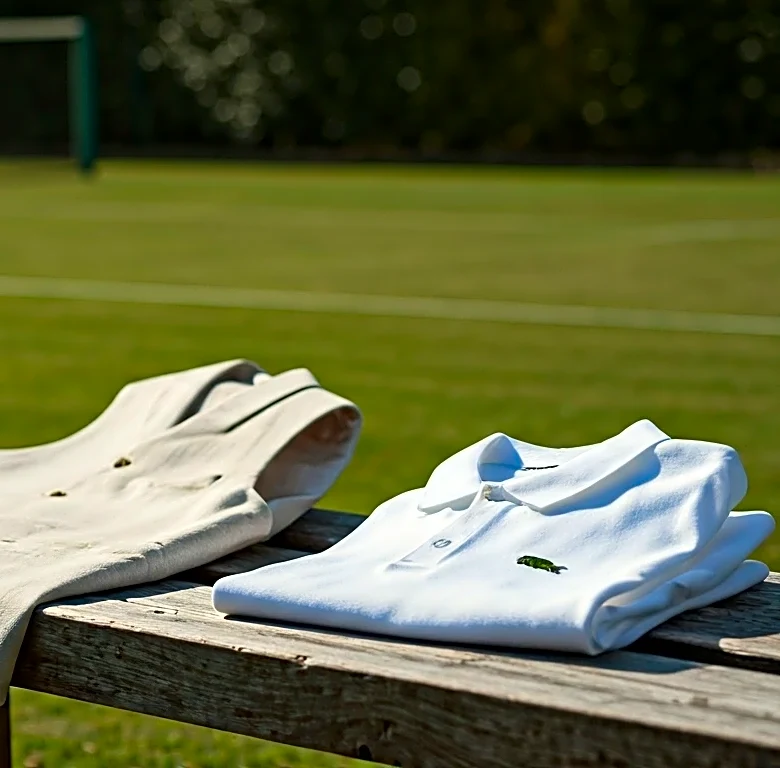
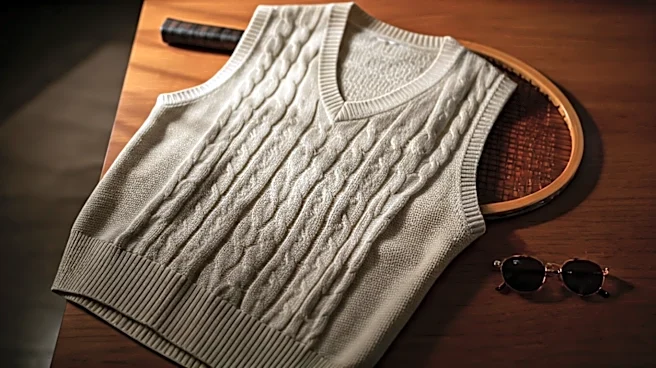
in the stands is a symphony of soft neutrals. And the keynote is the wide-leg trouser. Seen on men and women alike, these trousers are defined by their flowing silhouette, often featuring high waists and crisp pleats, rendered in shades of cream, ecru, and ivory. Paired with a simple knit tank, a tailored waistcoat, or a lightweight blazer, the look is the epitome of “quiet luxury.” It’s comfortable enough for a long day of watching matches but polished enough for a celebratory glass of Pimm’s, striking a perfect balance between casual and considered.
The Architect of Modern Prep
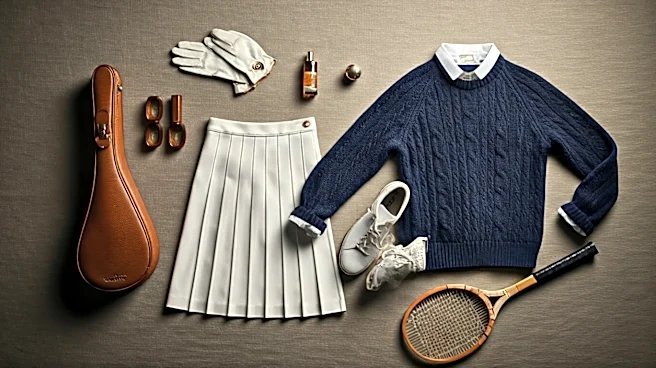
While the wide-leg trouser is a classic, its current iteration in this sporty-prep context owes a significant debt to American designer Thom Browne. For two decades, Browne has built a fashion empire by deconstructing and reimagining classic American sportswear. He is most famous for his shrunken gray suits and cropped trousers, but his true genius lies in his ability to infuse tailoring with an athletic spirit. Browne himself has always been inspired by the discipline and aesthetic of sports. His collections consistently play with the proportions of traditional garments, turning varsity staples and tailored classics into high-concept art. By challenging the norms of menswear and creating a world where suiting and sportswear are in constant conversation, Browne laid the intellectual groundwork for a trend like the Wimbledon trouser to flourish. He made it cool to think about sportswear through a tailored lens.
Echoes from the Archives
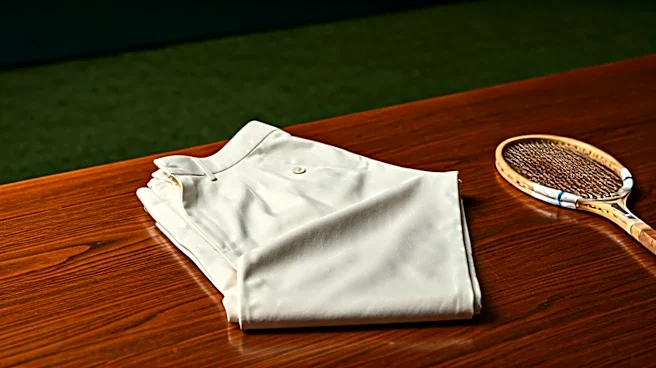
The irony, of course, is that this “new” look is actually a return to the very origins of tennis attire. Before the advent of shorts and technical fabrics, early 20th-century tennis players wore almost exactly this. In the 1920s and '30s, male players like Bill Tilden and Jacques Brugnon graced the court in long, white flannel trousers. These weren't a fashion statement; they were simply what men wore for sport, offering more freedom of movement than the stiff suits of the Victorian era. It wasn't until 1932 that Henry “Bunny” Austin became the first man to wear shorts at Wimbledon, a move then considered revolutionary. For years, long trousers and shorts co-existed on the court. Yvon Petra was the last man to win the title wearing trousers, in 1946. The modern spectator trouser is a direct echo of this functional, elegant past.
Why Classic Comfort Resonates Now
So why is this century-old look having such a powerful moment in 2026? It’s a perfect storm of cultural shifts. The collective move toward more comfortable clothing, accelerated in the early 2020s, has not abated; we just want our comfort to look more polished. The wide-leg silhouette offers ease without sloppiness. Furthermore, the trend speaks to the broader appeal of “old money” aesthetics and timeless style over fleeting, disposable fashion. In a world saturated with micro-trends, a well-cut pair of cream linen trousers feels permanent and sophisticated. It’s a look that works effortlessly for a variety of occasions, projecting an air of unhurried elegance that feels particularly at home at a heritage-rich event like Wimbledon. It’s a conversation between the past and the present, served up with impeccable style.