




The Science of a Good Shine
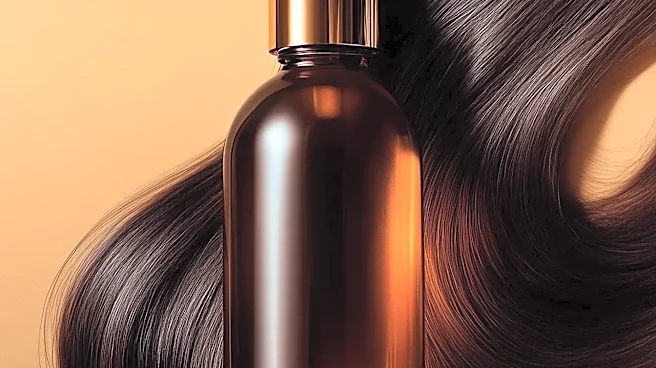
Truly glossy hair is all about physics. Shine is simply light reflecting evenly off a smooth surface. In hair, that surface is the cuticle, the outermost protective layer of each strand. When the tiny, overlapping scales of the cuticle lie flat and sealed,
your hair looks smooth and shiny. Your scalp's natural oil, sebum, plays a key role here. It's a natural conditioner that lubricates the hair shaft, keeping it hydrated and helping to smooth that cuticle. A healthy amount of sebum contributes to a natural, healthy-looking sheen. The goal of 'glossy' products is to mimic or enhance this effect without adding weight.
What Makes Hair Look Greasy?
Greasy hair, on the other hand, is what happens when that light reflection is disrupted. This occurs for two main reasons: overproduction of sebum or the buildup of products. When sebaceous glands on the scalp produce too much oil, it travels down the hair shaft, making it heavy, limp, and overly coated. Similarly, using the wrong products, or too much of the right ones, can create a film on the hair. This buildup, which can include silicones, heavy oils, and waxes, attracts dirt and prevents light from bouncing off cleanly, resulting in a dull, oily appearance instead of a vibrant shine.
Products That Promote Gloss
Products designed to add shine without greasiness are formulated to be lightweight and effective. Lightweight oils like argan, jojoba, and grapeseed oil are excellent because their molecular structure allows them to add moisture and shine without sitting heavily on the hair. Many serums also use specific types of silicones, such as cyclomethicone, which are designed to provide slip and shine before evaporating, leaving little to no residue. Hair gloss treatments, often used in salons, work by applying an acidic formula that seals the hair cuticle, creating an intensely reflective surface.
The Ingredients That Can Cause Greasiness
The culprits behind greasy-looking hair are often heavy, occlusive ingredients that are difficult to wash out. Non-water-soluble silicones, like dimethicone, can be effective in moderation but can build up over time if not properly removed with a clarifying shampoo. Heavy butters (shea, cocoa) and thick oils (castor, coconut) can also quickly weigh hair down, especially if it's fine or has low porosity. Mineral oil and petrolatum are other ingredients to watch for, as they create a barrier that can block moisture and lead to a greasy, coated feeling.
Application Makes All the Difference
You can have the best products in the world, but if you apply them incorrectly, you can still end up with greasy roots and dry ends. The golden rule for shine-enhancing products like oils and serums is to start small. Use a dime-sized amount or less, warm it up in your palms, and apply it starting from the mid-lengths and focusing on the ends, which are the oldest and driest parts of your hair. Avoid applying these products directly to your scalp, where your natural oils are already concentrated. This technique ensures you're delivering moisture and shine only where it's needed most.
Consider Your Hair Type
Finally, the product difference between glossy and greasy is deeply personal and depends on your hair's unique texture and density. Fine, straight hair is more prone to looking greasy quickly because sebum travels down the shaft easily. For this hair type, lightweight mists and water-soluble ingredients are ideal. Coarse, curly, or coily hair, on the other hand, often needs richer oils and creams to stay moisturized and define its pattern, as sebum has a harder time navigating the twists and turns of the hair shaft. Knowing your hair's needs is the first step in choosing products that will make it shine.