
The Weight of a Nation
To understand the trauma, you have to understand the pressure. Brazil, the spiritual home of soccer, hadn't hosted the World Cup since 1950, a tournament that ended in a still-raw national tragedy known as the Maracanazo, a final-match loss to Uruguay.
The 2014 tournament was meant to exorcise those demons. The public mood was a tense mix of festive energy and immense expectation. Billions had been spent, sparking protests, but once the games began, the country united behind its team. Leading the charge was Neymar da Silva Santos Júnior. He was more than the team's best player; he was a symbol of Brazilian flair and the designated savior expected to deliver a sixth World Cup title. Every goal he scored—four in the first three games—was a national celebration, tightening the bond between the star and his country.
The Moment It Broke
The breaking point came on July 4th, during a bruising quarter-final against a physical Colombian team. With Brazil leading 2-1 in the 88th minute, Colombian defender Juan Zúñiga challenged Neymar from behind, driving a knee directly into the Brazilian's lower back. Neymar crumpled to the ground, and the festive atmosphere in the Fortaleza stadium instantly turned to dread. On the field, he reportedly told his teammate Marcelo, “I can't feel my legs.” He was stretchered off in tears, screaming in pain in the dressing room before being rushed to a local hospital. The celebration of advancing to the semi-finals was immediately overshadowed by a single, terrifying question: what about Neymar?
A Country Holds Its Breath
The news that followed was a collective gut punch. Doctors confirmed Neymar had suffered a fractured third lumbar vertebra. His World Cup was over. While the injury wouldn't require surgery, the diagnosis sent a wave of shock, grief, and anger across the nation. The image of their hero being carried off became front-page news, eclipsing the victory itself. Fans gathered outside the hospital, chanting his name in support. On social media and in the streets, many demanded Zúñiga be punished. The team, and the country, felt victimized. It wasn't just the loss of a star player; it was the violent end of a dream, a narrative that had sustained the nation for weeks.
The Inevitable Collapse
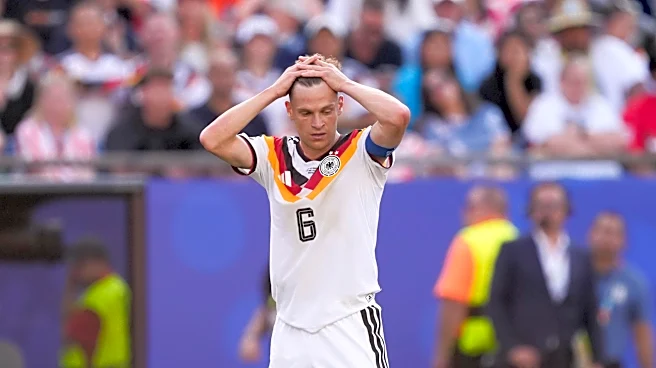
Without Neymar—and also missing their suspended captain, Thiago Silva—Brazil entered the semi-final against Germany not just depleted, but psychologically shattered. The team's emotional state was fragile; they had been overly emotional throughout the tournament, and losing their talisman pushed them over the edge. Before the match, the players held Neymar's jersey during the national anthem, a tribute that felt more like a memorial. The game that followed became one of the most stunning capitulations in sports history. Germany scored five goals in the first 29 minutes, slicing through a disorganized and shell-shocked Brazilian defense. The final score, 7-1, was more than a loss; it was a national humiliation played out on the world stage. The Brazilian team never recovered from the emotional blow of Neymar's injury, and their collapse became inextricably linked to it.