




The Power of the Silhouette
Before a single line is spoken, a great villain is already doing their job. A character’s design is a visual shortcut to their soul. Think of the Disney Renaissance: the angular, predatory shadow of Scar; the impossibly sharp, skeletal frame of Cruella
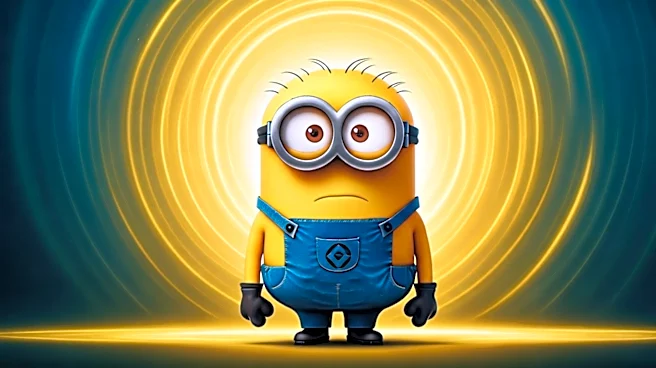
de Vil; the hulking, drag-inspired swagger of Ursula. You know who they are and what they’re about in a single glance. A strong silhouette is instantly readable and tells a story wordlessly. An imposing figure might be built from broad, sharp shapes, conveying aggression before they’ve even moved. This visual language is the foundation of character, creating an immediate emotional response in the audience. This holiday’s box office contender, Despicable Me 4, introduces Maxime Le Mal, a villain whose flamboyant costume gives way to a cockroach-themed gimmick. While voiced by comedy giant Will Ferrell, the immediate impression is visual, for better or worse. It’s the design that has to do the initial heavy lifting, establishing the threat, the comedy, or the tragedy of the character.
The Celebrity Stunt-Casting Trap
Casting a big-name star is now standard operating procedure for major animation studios, a trend largely cemented by Robin Williams' tour-de-force as the Genie in Aladdin. But for every inspired performance, there are a dozen that feel like a marketing decision. Too often, the celebrity overshadows the character. Instead of seeing a new, fascinating villain, the audience hears Chris Pratt, Seth Rogen, or Beyoncé, and the illusion is broken. The practice has been criticized for taking opportunities from professional voice actors who have dedicated their careers to the specific art of performing with only their voice. It implies the skills are interchangeable when they are distinct disciplines. The celebrity voice becomes a selling point on a poster, but can ultimately date the film or create a disconnect, pulling viewers out of the world the animators have worked so hard to build.
Design is Forever, Voices are Fleeting
The true test of a character’s impact is longevity. Decades later, it is the striking, horned visage of Maleficent that fuels Halloween costumes and spin-off movies, not just the chilling cadence of her voice. The legacy of characters like Jafar, Hades, or Aku from Samurai Jack is primarily visual. Their designs are what get tattooed on fans, recreated in cosplay, and live on in our collective memory. Good design is what drives merchandising and franchise potential long after the film's theatrical run. While a great voice performance can elevate a character, a weak or generic design cannot be saved by a famous actor. The voice can be remixed, redubbed for foreign markets, or even replaced in a future reboot. The visual DNA of the character, however, is what makes them iconic. It's the unique combination of color, shape, and expression that creates a cultural symbol.
When the Two Align
Of course, the magic truly happens when inspired design meets a perfect vocal performance. The argument isn't that voice acting is unimportant, but that its role is often misunderstood. A great celebrity performance works when the actor disappears into the role, using their talent to enhance the design, not overpower it. Jeremy Irons didn't just lend his voice to Scar; his performance oozed from the very lines of Andreas Deja’s animation. Eartha Kitt’s unforgettable turn as Yzma in The Emperor’s New Groove is inseparable from the character’s spidery, ridiculously angular design. And Jack Black’s Bowser in The Super Mario Bros. Movie was praised because he delivered a varied, theatrical performance that inhabited the character, rather than just sounding like himself. These performances are powerful because they serve the character that was first born on the drawing board, creating a perfect synthesis of visual and vocal artistry.