




The 22-Episode Golden Goose
For decades, the 22- to 24-episode season was the financial engine of broadcast television. This structure wasn’t arbitrary; it was designed to fill a network’s primetime schedule from fall through spring, maximizing the number of ad slots available for
sale. A hit show with a long season was a cash cow, providing hundreds of minutes of valuable ad inventory. More importantly, the goal was to produce around 100 episodes, the magic number that made a series highly valuable for syndication—the lucrative practice of selling reruns to other channels. This model, which powered classics like “Friends” and “Grey’s Anatomy,” prioritized quantity to ensure a consistent, year-round presence that advertisers could rely on and that would eventually pay off in the long-tail of reruns.
The Streaming Disruption
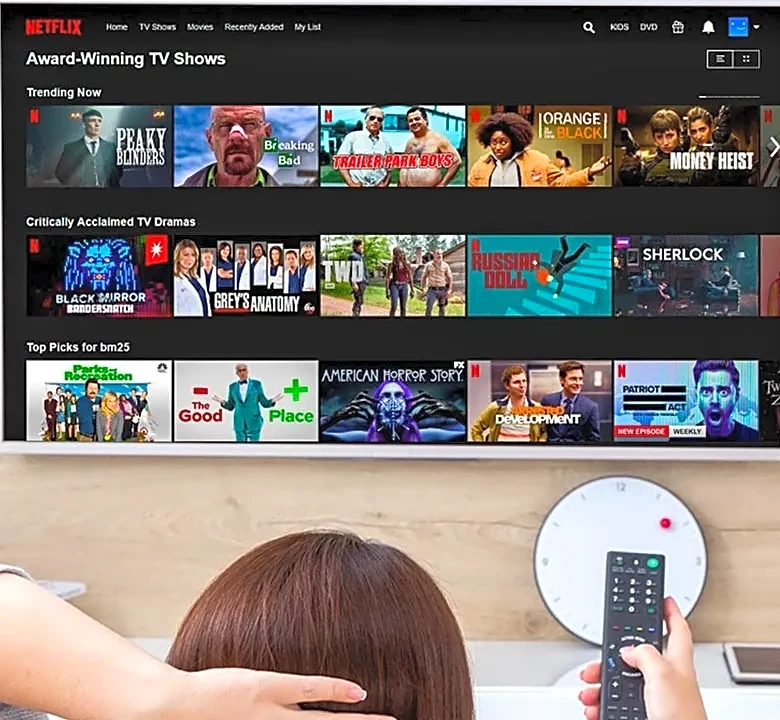
Then came the streaming revolution. Platforms like Netflix, with their subscription-based models, had no commercials to sell and no weekly schedule to fill. They released entire seasons at once, encouraging a new “binge-watching” behavior that broke the weekly viewing habit. More critically, they championed shorter, high-impact seasons of 8 to 13 episodes. These shows, like "Stranger Things" or "Bridgerton," often featured cinematic production values, intricate plots without "filler" episodes, and big-name actors who wouldn't commit to a grueling 22-episode shoot. This retrained audience expectations. Viewers began to favor tighter narratives, and the traditional networks found their long-standing model under pressure. Statistics show a dramatic decline: the average number of episodes for a network show season dropped from over 15 in 2018 to around 10 by 2023, bringing it nearly in line with streaming's average of about 9.
The New Math of 'Less Is More'
In response, broadcast and cable networks began adopting the streamer's playbook, driven by a new economic reality. While it seems counterintuitive, shorter seasons can be more profitable. Producing fewer episodes allows for a larger budget per installment, leading to the higher production quality viewers now expect. This shift also makes it easier to attract A-list film talent who are unwilling to sign on for the nine-month commitment a traditional season required. Furthermore, in a fragmented media landscape, the goal is no longer just to fill time but to create an “event.” A shorter, more buzzworthy season can generate intense social media engagement and cultural relevance that a sprawling, uneven season might not. It's a strategic pivot from a marathon to a sprint, prioritizing quality and impact over sheer volume to cut through the noise.
Ripple Effects Across the Industry
This fundamental change has sent shockwaves through the entire television ecosystem. For writers, the move to shorter seasons often means less stable work, with writers' rooms assembling for shorter periods. The concept of the “water cooler show,” where colleagues would discuss last night’s episode each week, has faded as viewing becomes more fragmented and binge-focused. The entire financial underpinning of creating shows has been altered; the road to 100 episodes for syndication is no longer the only path to profitability. Instead, a show’s value might be measured by its ability to attract new subscribers to a streaming service or its international sales potential. This new model favors contained, high-impact stories, fundamentally altering how shows are conceived, written, and produced.