





The Power of a Nostalgic Shortcut
Music has a unique ability to act as a time machine, instantly transporting us to a specific memory or feeling. Research shows this isn't just a sentimental journey; it's a powerful psychological phenomenon that influences consumer behavior. When brands
use familiar music, they are tapping into a pre-existing emotional connection. This is nostalgia marketing, a strategy that leverages positive memories to build trust and lower our natural resistance to advertising. Studies have shown that consumers exposed to nostalgic triggers, like a song from their youth, have a greater willingness to spend. That's because the music evokes feelings of comfort and stability, making us more receptive. It creates an emotional bridge, making a product or, in this case, an event feel personal and familiar before we’ve even bought a ticket.
Halloween's Pavlovian Playlist
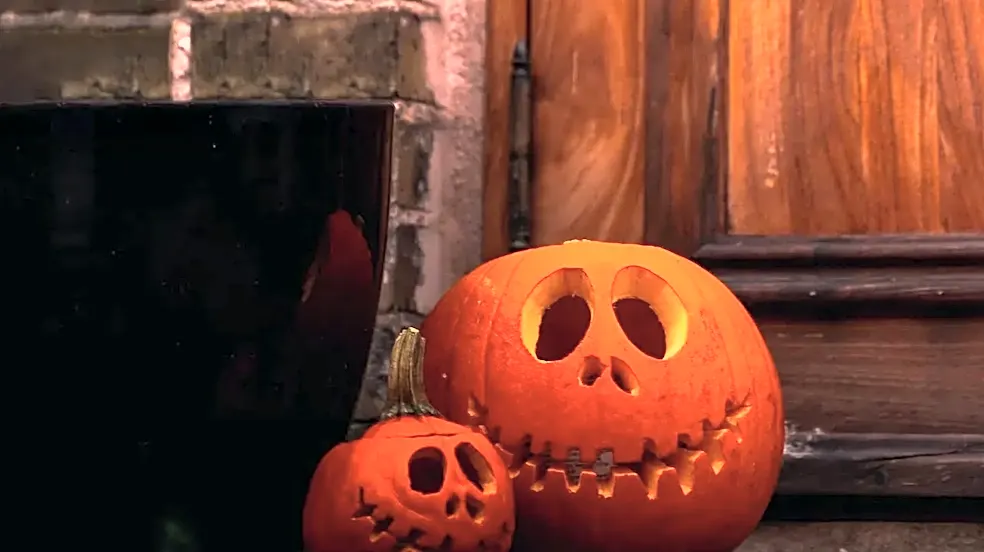
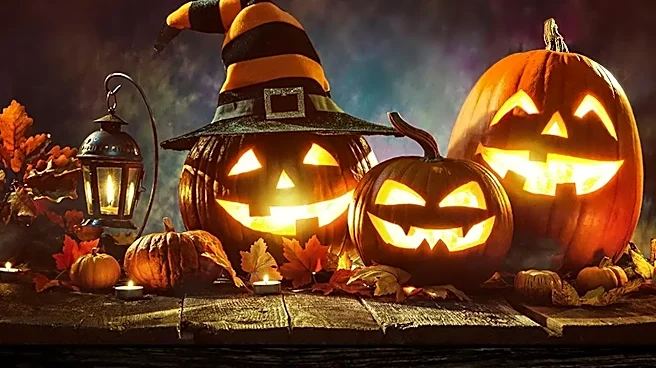
For Halloween, this effect is amplified. Decades of horror cinema have created a shared cultural soundtrack for the season. The stabbing strings from 'Psycho,' the ominous two-note theme from 'Jaws,' and the eerie piano of 'The Exorcist' have become auditory shorthand for fear and excitement. Hearing these scores doesn't just remind us of a movie; it triggers the entire emotional landscape of the Halloween season. It’s what behavioral scientists call a priming effect: the music primes our brains with concepts and feelings congruent with the spooky season. This creates a powerful desire to seek out experiences that match those feelings—like a haunted attraction or a special movie screening. The music promises a specific, sought-after experience of safe, controlled fear, which has become a highly profitable form of entertainment.
From the Screen to Sold-Out Stages
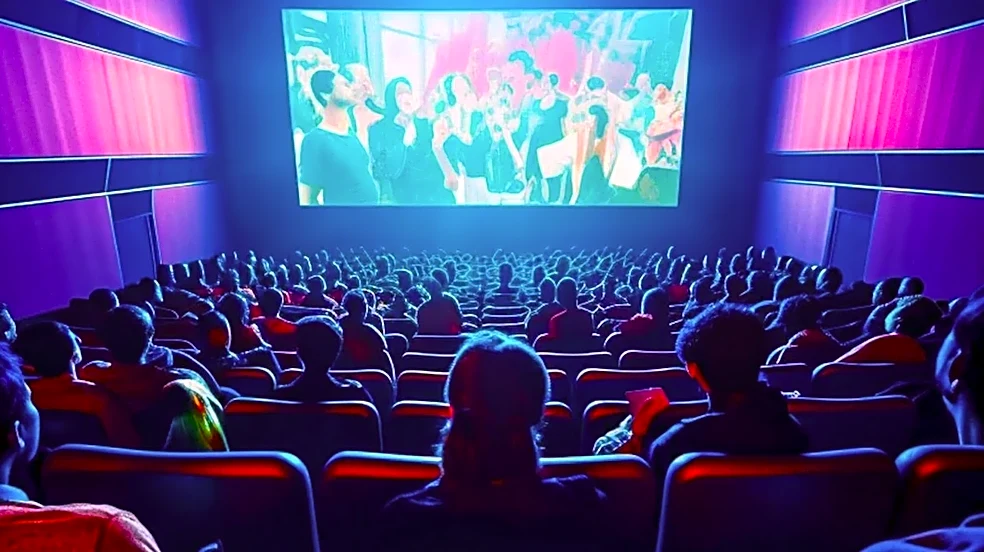
This psychological pull has fueled a thriving industry of live Halloween-themed events centered on music. Composers like John Carpenter, the mind behind the iconic scores for 'Halloween' and 'The Thing,' have launched successful international tours, playing their film music to packed houses of horror fanatics. These aren't just concerts; they are communal celebrations where fans can share a love for the films and their iconic soundscapes. Similarly, 'Danny Elfman's Music from the Films of Tim Burton' has been a global phenomenon for over a decade, with audiences flocking to hear the scores of 'Beetlejuice' and 'The Nightmare Before Christmas' performed by a live orchestra. These events often sell out, demonstrating a clear willingness from fans to pay for an opportunity to experience the music they love in a new, immersive way.
Selling an Experience, Not Just a Song
Ultimately, what promoters are selling isn't just music; it's a complete, packaged experience. Symphonies across the country now program 'Scary Movie Music' nights, often turning the venue into a festival with themed drinks, costume contests, and other activities. These events transform passive film watching into an active, communal ritual. Fans attend not just to hear the music but to be part of a like-minded community, sharing in the collective gasps and cheers. The familiar music is the hook, the guarantee of a specific emotional payoff. It assures the ticket buyer that they will get the authentic Halloween feeling they crave. By leveraging these powerful, nostalgic audio cues, event organizers can turn a sentimental attachment into a reliable and highly profitable revenue stream, proving that the sound of fear can be music to the box office's ears.