






An Escape From the ‘Sea of Sameness’
The modern retail landscape, dominated by fast fashion and algorithm-fueled trends, often creates a sense of uniformity. Shoppers, especially in the Gen Z demographic, are actively pushing back against this culture of imitation. Secondhand shopping offers
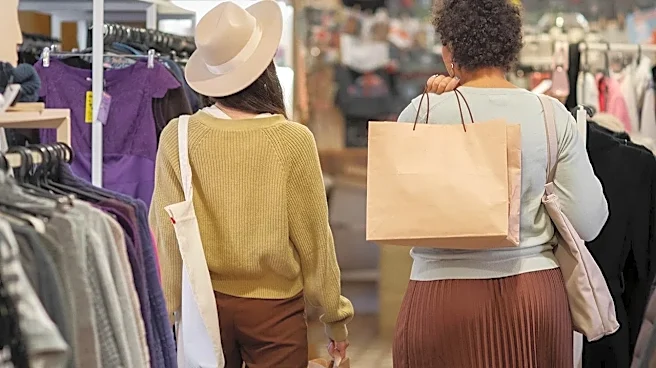
a direct antidote: a world of one-of-a-kind pieces that defy mass production. Unlike walking into a mall where ten stores sell variations of the same trendy item, a thrift store offers a chaotic, unpredictable mix of decades, styles, and stories. This environment encourages shoppers to become curators rather than just consumers. The focus shifts from brand loyalty to personal taste, allowing for a more authentic expression of identity. Research has even shown that people who wear predominantly secondhand clothing report a higher sense of their outward appearance matching their inner self.
The Thrill of the Treasure Hunt
Beyond the desire for uniqueness is the psychological appeal of discovery. Thrifting is often described as a 'treasure hunt' because it rewards effort and creativity in a way that conventional shopping does not. Sifting through racks to find a vintage leather jacket or a perfectly worn-in pair of jeans provides a dopamine hit that buying a new, mass-produced item can't replicate. This process turns shopping from a passive transaction into an active, engaging experience. It requires vision—the ability to see the potential in a piece and imagine how it can be integrated into a personal wardrobe. This creative challenge is empowering, helping shoppers build confidence and develop a stronger sense of their own style, free from the pressures of mainstream fashion.
Sustainability as a Badge of Honor
While style is a primary motivator, the ethical component of thrifting adds a powerful layer of appeal. Younger generations are highly aware of the fashion industry's environmental impact, from water waste to landfill overflow. Choosing secondhand is a conscious act of protest against the 'buy, wear, toss' cycle of fast fashion. This aligns shopping habits with personal values, making the act of getting dressed feel more meaningful. For many, wearing a thrifted outfit is a quiet statement of their commitment to sustainability. It transforms a personal style choice into a form of social and environmental responsibility, adding a 'feel-good' dimension that new purchases, no matter how coveted, often lack. This makes secondhand not just a savvy choice, but an aspirational one.
Weaving a Narrative With Your Wardrobe
Secondhand clothes come with a history. A vintage dress from the 70s or a band t_shirt from the 90s carries a story that new items simply don't possess. By combining these pieces, individuals create a wardrobe that is not just a collection of garments, but a personal narrative. Each outfit becomes a unique collage of eras, styles, and past lives. This act of storytelling through clothing is a profound form of self_expression. It allows people to craft an identity that is layered, interesting, and entirely their own. In a world saturated with fleeting digital content and disposable trends, the permanence and history of a vintage piece offer a sense of connection and authenticity that is increasingly rare and valuable.