
The Old Days of 'Squeaky Clean'
Not long ago, the philosophy behind shampoo was simple: get hair as clean as possible. The star players were powerful detergents, most notably sulfates, which were cheap, effective, and created the rich,
foamy lather that marketing taught us meant 'it's working.'. The primary goal was to strip away oil, dirt, and product buildup. While effective, this approach treated all hair the same, often leaving it feeling dry and 'squeaky,' a sign we now recognize as the stripping of essential natural oils.. For most people, this was simply the status quo, addressed with a healthy dose of conditioner to restore superficial smoothness.
The Color Revolution Creates a Crisis
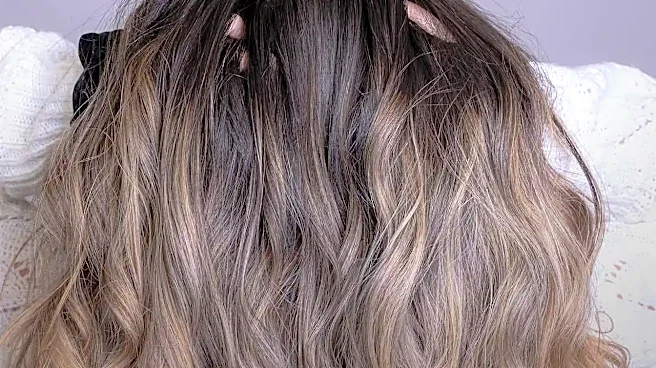
As salon hair color became more accessible and expressive from the mid-20th century onward, a fundamental conflict emerged.. Consumers were spending significant time and money on carefully crafted highlights, balayage, and all-over color, only to go home and wash it down the drain.. The same harsh sulfates that were so good at removing oil were also ruthlessly efficient at stripping the large, unstable color molecules from the hair shaft, leading to rapid fading.. This created a major pain point for consumers and a challenge for stylists, whose artistry was being undermined by at-home care. A new market demand was born: products that could cleanse gently without sabotaging an expensive color job.
Enter 'Sulfate-Free': The First Domino
The solution that first broke into the mainstream was the 'sulfate-free' formulation.. By replacing harsh sulfates with milder cleansing agents, these shampoos could effectively clean the hair and scalp without aggressively stripping the cuticle and washing away color.. Initially a niche category specifically for color-treated hair, the 'sulfate-free' claim quickly gained traction. Consumers began to associate it with being gentler, healthier, and more premium. Brands took notice, and soon, the sulfate-free badge began appearing on products for curly hair, fine hair, and sensitive scalps, all of which also benefit from a milder cleanse.. What started as a fix for color protection became a widespread consumer trend toward gentler formulations across the board.
Beyond Cleansing: The Rise of Bond-Building
The next major leap came from tackling the damage inherent in coloring itself, particularly bleaching. In 2014, Olaplex launched a revolutionary technology that worked within the hair to repair broken disulfide bonds—the very structural links that give hair its strength and are broken during chemical processing.. Initially an in-salon treatment to make dramatic color changes possible with less damage, the concept of 'bond-building' was a game-changer.. The technology soon expanded into take-home products and, predictably, the entire industry followed suit.. Now, 'bond-repair' is a common claim on masks, shampoos, and stylers for all hair types, marketed as a solution not just for color damage, but for breakage from heat styling and everyday wear and tear. It fundamentally shifted the goal from simply coating the hair to actually repairing it from within.
The 'Skinification' of Hair Care
The focus on gentle ingredients and internal repair for colored hair kicked off a broader movement often called the 'skinification' of hair.. Consumers now expect sophisticated, science-backed ingredients in their hair products, just as they do for skincare.. Concepts like pH balance, scalp health, and microbiome support, all crucial for preserving color and mitigating damage, are now central to modern hair care philosophy.. You'll see skincare staples like hyaluronic acid and niacinamide in shampoos and scalp serums.. This new standard—where we treat our scalp like an extension of our face and demand targeted, effective ingredients—was largely normalized by the high-stakes world of preserving and protecting expensive, delicate, color-treated hair.