




It Starts With the Fabric
The difference between a great workout and a miserable one often comes down to fabric. People who get it right prioritize materials designed for performance. While cotton is comfortable for lounging, it absorbs sweat and becomes heavy, clingy, and uncomfortable
during a workout. Instead, look for moisture-wicking synthetic fabrics like polyester, nylon, and spandex. These materials pull sweat away from your skin, allowing it to evaporate quickly, which keeps you cool, dry, and focused. Think of it as your own personal climate control system, preventing that clammy, overheated feeling mid-session.
The Magic Is in the Fit, Not the Size
A common mistake is buying gym clothes that are either too tight as "motivation" or too baggy to hide insecurities. The right approach is to choose clothing that fits your body comfortably right now. Your leggings shouldn't slide down when you squat or run, and your top shouldn't ride up or get tangled in equipment. A good fit feels like a second skin—supportive but not restrictive. For leggings, always do a 'squat test' in good lighting to ensure they remain opaque. For tops, make sure you have a full range of motion in your arms and shoulders without the fabric pulling or chafing. When your clothes move with you, you stop thinking about them and start focusing on your form.
Function Trumps Fleeting Trends
While it's fun to embrace new styles, the most effective gym outfits are built on a foundation of function. This means choosing pieces designed for your specific activity. A high-impact sports bra is non-negotiable for running or HIIT, while a lower-impact, more flexible style is perfect for yoga or Pilates. Similarly, stretchy, form-fitting leggings are ideal for lifting and yoga to allow a full range of motion, whereas looser shorts might be more comfortable for a cardio session. Smart details like flatlock seams to prevent chafing, mesh panels for extra ventilation, and pockets for your keys or phone are signs of well-designed activewear.
Your Sports Bra Is a Support System
An unsupportive sports bra can ruin a workout. It's not just about comfort; it's about protecting delicate tissues and preventing pain. Getting the fit right is crucial. The band should be snug and lie flat against your ribcage, providing most of the support—it shouldn't ride up your back. You should be able to fit two fingers underneath it, but no more. The cups should fully contain your bust without spillage or gaping, and the straps shouldn't dig into your shoulders. Match the support level to the activity: low support for walking, medium for cycling, and high support for running and jumping.
Strategic Layering Is a Game-Changer
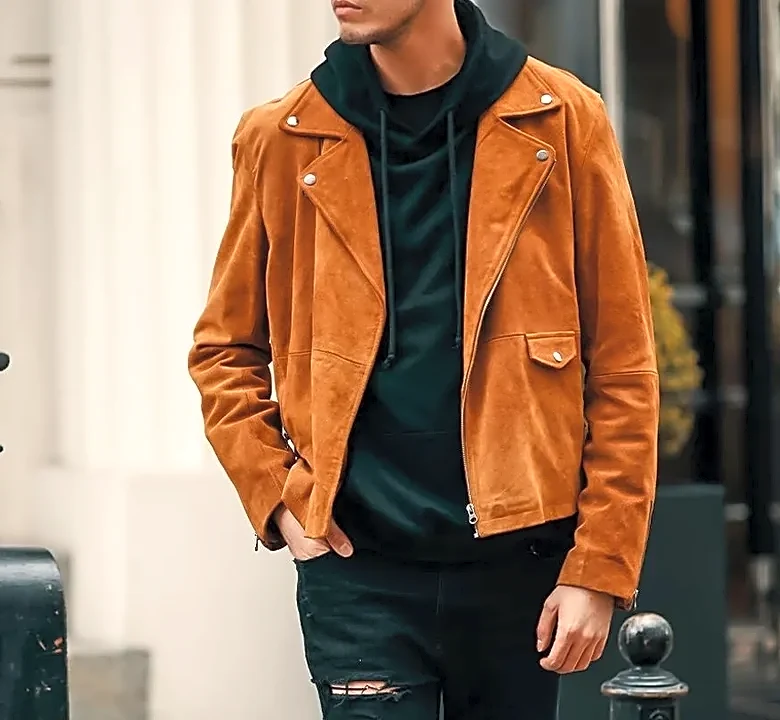
Those who look effortlessly prepared no matter the temperature have mastered the art of layering. Instead of a single heavy layer, they use multiple, lighter ones. Start with a moisture-wicking base layer, like a fitted tank or sports bra. Add a lightweight, breathable t-shirt or long-sleeved top. Finish with a zip-up hoodie or jacket that's easy to remove as you warm up and put back on during your cool-down. This approach allows you to regulate your body temperature effectively, keeping your muscles warm and ready while preventing you from overheating.
Confidence Is the Final Piece
Ultimately, the best gym outfit is the one that makes you feel confident and ready to tackle your workout. This might mean choosing colors that boost your mood or finding a silhouette that flatters your shape. When you feel good in what you're wearing, you're more likely to feel motivated, perform better, and actually enjoy the process. The 'right' outfit isn't about looking perfect for others; it's about feeling powerful, capable, and comfortable in your own skin. That's the real secret to getting it right.