




More Than Just a History Lesson
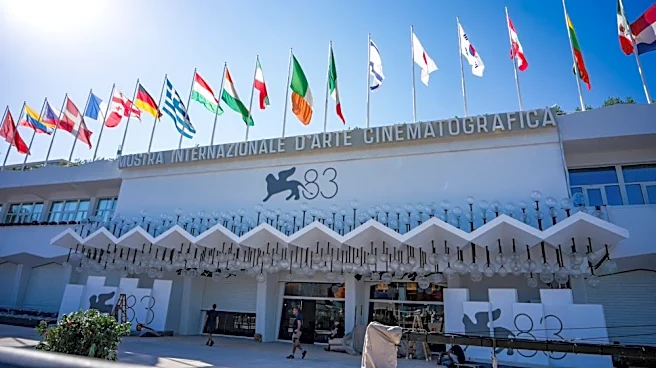
Every year, the world’s oldest film festival, the Venice International Film Festival, becomes a hub for what’s new and next in cinema. But since 2012, a different kind of premiere has been stealing the spotlight: Venice Classics. This section is dedicated
to screening the best new restorations of cinema's masterpieces, presented with the same fanfare as the star-studded debuts in the main competition. The goal, as festival director Alberto Barbera explains, is not about nostalgia. Instead, it’s about creating a dialogue between generations of filmmakers and reminding audiences that the cinema of tomorrow is nourished by the films of the past. It’s a simple but radical idea: treating film history not as a museum piece, but as a living, breathing part of the contemporary film conversation.
The Art of the Curated Comeback
The secret to Venice Classics' success lies in its highly selective and strategic curation. The program doesn't just pull random titles from an archive. To be considered, a film must be a fresh restoration, often completed in the past year, and it cannot have been screened publicly anywhere else. This creates a powerful sense of occasion, turning each screening into a genuine world premiere of a film reborn. The selection, overseen by Barbera, aims for a careful balance. It includes both undeniable masterpieces from directors like Roberto Rossellini and Ettore Scola, and films that were forgotten, misunderstood, or even suppressed upon their initial release. For the 83rd edition of the festival in 2026, for instance, the lineup includes acknowledged classics alongside works like Ciprì and Maresco's "Lo zio di Brooklyn (The Uncle from Brooklyn)," a film that nearly vanished after its initial release. This approach ensures the program is both a celebration and a re-evaluation of film history.
Making Old Movies Feel New
Venice masterfully engineers a "main event" feel. These aren't dusty prints shown in a side room; they are pristine 4K restorations presented in the festival’s prestigious venues. The festival ensures that restored Italian films have new English subtitles, and vice versa, removing barriers for an international audience. Furthermore, Venice often involves a jury of university film students to award a prize for the best-restored film, engaging a younger generation directly with cinema history. The programming itself is a draw, connecting the dots between film history and today's biggest names. You might see a Martin Scorsese favorite or a film that clearly influenced a contemporary director like Greta Gerwig or Pedro Almodóvar. This context transforms the viewing experience, making it an active discovery rather than a passive history lesson. It proves that a 1960s Czech New Wave film or a 1970s Italian genre picture can be as thrilling and relevant as any new release.
The Ripple Effect Beyond the Lido
The impact of Venice Classics extends far beyond the festival's two-week run on the Lido. By providing a high-profile platform, the festival incentivizes film archives, production companies, and cultural institutions worldwide to invest in the costly and painstaking work of film restoration. When a restoration premieres at Venice, it gains a stamp of prestige that can lead to wider distribution, Blu-ray releases, and screenings at other festivals and cinematheques. The festival has become a key partner for organizations like The Film Foundation and national archives, helping to save and showcase works that might otherwise deteriorate and disappear. Ultimately, Venice Classics champions the idea that our shared cinematic heritage is not a static collection of artifacts but a dynamic and essential resource—one that needs to be preserved, debated, and, most importantly, seen.