






The Revolution’s Viral Engine
Imagine it’s 1776. Tensions with Great Britain are at a breaking point, but the path forward is murky. Most colonists are just trying to get by, and the idea of full-blown independence is radical. Newspapers exist, but they’re often cautious, filled with news
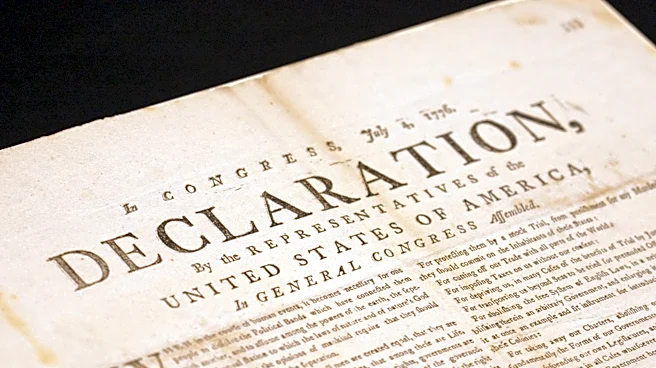
from London or local commerce. Then, a short, 47-page booklet appears, published anonymously. It’s called Common Sense. Written in plain, fiery language anyone can understand, it argues that monarchy is absurd and independence is a natural right. It’s not a dense philosophical treatise; it’s an argument, a polemic, designed to be read, debated in taverns, and shared. The pamphlet was the social media of its day: cheap to produce, easy to distribute, and dangerously persuasive. It allowed radical ideas to bypass the official gatekeepers and speak directly to the people, turning a disjointed protest into a unified cause.
Today’s Digital Pamphleteers
Now, fast forward to today. A video filmed on a phone can spark a global movement. A series of posts on X (formerly Twitter) can set the day's news agenda. A Substack newsletter can build a following more loyal than that of a legacy newspaper. These are our modern pamphlets. They are often emotionally charged, highly personal, and designed for maximum shareability. Instead of being passed from hand to hand, they are retweeted, stitched, and forwarded, spreading through digital networks at astonishing speed. Like the pamphleteers of old, today's creators often operate outside of traditional institutions, building their own audiences and shaping public opinion from the ground up. They thrive on a raw, unfiltered voice that feels more authentic to their followers than the polished, often neutral tone of mainstream media.
The Unmistakable Parallels
The link between a fiery colonial pamphlet and a viral TikTok isn't just superficial. They share the same strategic DNA. Both are defined by accessibility; they are cheap and easy to create and consume. Both prioritize a strong, often anonymous or pseudonymous, voice to bypass official censure and speak freely. And most importantly, both are built for speed and impact, designed to inject a potent idea into the public conversation and force a reaction. Thomas Paine’s Common Sense sold an estimated 120,000 copies in its first three months, reaching a massive portion of the colonial population and fundamentally shifting public opinion toward independence. It went viral, 18th-century style. This is the same dynamic that drives today’s online trends, where visibility is governed by virality and an idea’s power is measured by its ability to spread.
The Crucial Differences
Of course, the comparison isn't perfect. The most glaring difference is scale and speed. A revolutionary pamphlet might reach thousands over weeks; a viral tweet can reach millions in minutes. Today’s media is also guided by algorithms we don't control, which are designed to maximize engagement, not necessarily accuracy or understanding. This creates an environment where misinformation can spread just as fast as truth, and where public shaming can become a blood sport without context or due process. While the revolutionary era was filled with its own rumors and political attacks, the permanence and global reach of digital content present a new level of social risk. The printing press gave a pamphleteer influence; the internet gives a single user a potential blast radius the size of the planet.