




The Bite Heard 'Round the World
The match was in its 79th minute, a grinding, scoreless affair with a spot in the knockout rounds on the line. As players jostled for position in the Italian penalty area, Uruguayan striker Luis Suárez lunged toward defender Giorgio Chiellini. It wasn't
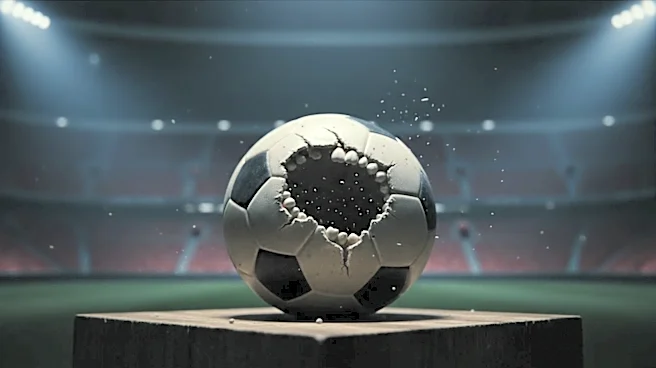
a tackle or a push. Television replays, seen by millions around the globe, showed Suárez dipping his head and biting Chiellini’s left shoulder. The Italian defender recoiled, pulling down his jersey to show the referee what appeared to be teeth marks. Suárez, meanwhile, fell to the ground clutching his own teeth. The referee missed the incident, and just two minutes later, Uruguay’s Diego Godín scored the winning goal, eliminating Italy from the World Cup. The game was over, but the controversy was just beginning.
An Unprecedented Punishment
While Suárez and Uruguay celebrated their progression, FIFA, soccer's global governing body, launched an immediate investigation. The bite dominated global headlines, and the pressure for a severe punishment was immense. Two days later, FIFA delivered. Suárez was handed a four-month ban from all football-related activities, prohibiting him from playing, training, or even entering a stadium. He was also suspended for nine competitive international matches for Uruguay and fined over $100,000. It was the longest ban for an on-field incident in World Cup history. The verdict was clear: as a FIFA official stated, such behavior “cannot be tolerated on any football pitch.” The ban effectively ended his World Cup and sidelined him for the start of the season for his club, Liverpool.
A Pattern of Behavior
The severity of the ban was directly influenced by Suárez’s history. This was not an isolated incident. It was the third time in his professional career that he had been disciplined for biting an opponent. In 2010, while playing for Ajax in the Netherlands, he was suspended for seven games for biting PSV Eindhoven's Otman Bakkal. In 2013, as a Liverpool player in the English Premier League, he received a 10-game ban for biting Chelsea’s Branislav Ivanovic. This pattern of bizarre and violent behavior, repeated on soccer’s biggest stage, left FIFA with little choice but to impose a sanction that would send a message. The world wasn't just shocked by the act itself, but by the fact that it had happened again.
The Fallout and the Aftermath
The reaction to the ban was immediate and divided. In Uruguay, many felt the punishment was excessive and that their star player was being unfairly targeted. Suárez initially claimed he had simply lost his balance and fallen on the defender, a defense FIFA dismissed as not credible. Without their talisman, Uruguay was eliminated in the next round, losing 2-0 to Colombia. That summer, Suárez completed a high-profile transfer to Barcelona, but his ban meant he couldn’t even train with his new teammates for months. The incident became a cultural phenomenon, sparking countless memes and debates about sportsmanship, psychology, and accountability. For Suárez, it was a deeply painful period; he later admitted to lying to his wife about the incident initially and struggling with the isolation of the ban.