






A Golden Generation's Moment
Picture the scene: Gwangju, South Korea, June 22, 2002. Spain, a perennial underachiever on the world stage, had arrived with a squad brimming with talent. Names like Iker Casillas, Carles Puyol, Fernando Hierro, and a young Joaquín represented a 'golden
generation' that felt capable of finally ending decades of frustration. They carried the heavy expectation of a nation that always hoped for the best but often experienced the worst. After navigating a tough tournament, they stood just one game away from their first World Cup semifinal since 1950, facing the co-hosts, South Korea.
The Robbery Begins
The match was a tense, grinding affair, but Spain appeared to break the deadlock early in the second half. A free-kick was floated into the box, and the ball ended up in the South Korean net. But the celebration was cut short. The Egyptian referee, Gamal Al-Ghandour, disallowed it, citing a minor shirt-pull by a Spanish player in the crowded penalty area. While debatable, it was the kind of call that happens. What came next, however, was anything but normal. The match remained scoreless, grinding its way into sudden-death extra time, where the first goal would win everything.
The Goal That Never Was
Just two minutes into extra time, Spain produced a moment of magic. The speedy winger Joaquín danced down the byline and sent a perfect cross to Fernando Morientes, who headed the ball decisively into the net. It was a golden goal, the game-winner. Players and coaches erupted in joy. But once again, a flag was up. The linesman, Michael Ragoonath of Trinidad and Tobago, ruled that the ball had gone out of play before Joaquín’s cross. Television replays immediately showed the call was horrifically wrong; the ball was clearly in play. Spain was incensed. The goal was gone, their victory stolen. They were not just playing against South Korea anymore; they felt they were playing against the officials.
From Disbelief to Fury
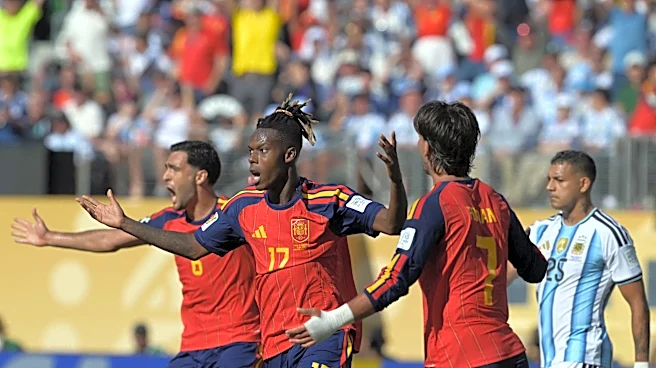
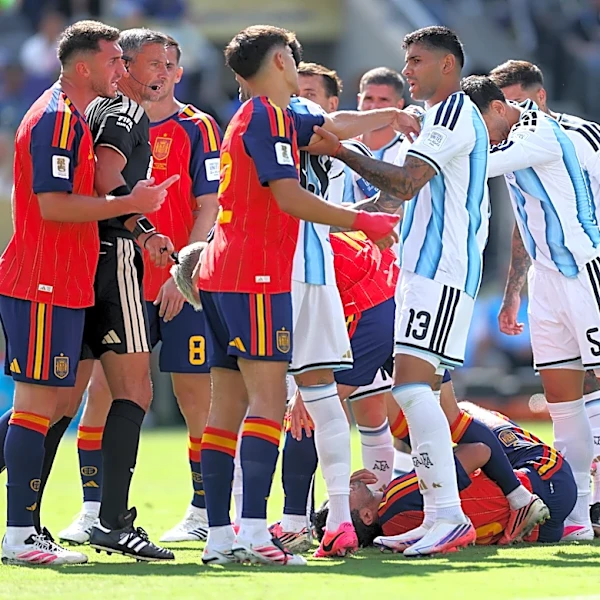
Spanish players surrounded the officials, their faces a mixture of disbelief and pure rage. Coach José Antonio Camacho had to physically restrain his own players from confronting the referee. The Spanish media later dubbed it 'the great robbery,' and the match became infamous. Iván Helguera, a key player, said it plainly: “If Spain didn't win, it's because they didn't let us win.” The game eventually went to a penalty shootout. Mentally and emotionally shattered, Spain lost. Joaquín, the brilliant player whose cross should have won the game, had his penalty saved. South Korea advanced, becoming the first Asian team to reach a World Cup semifinal.
The Lasting Scar
The loss wasn't just a defeat; it became a deep-seated national trauma. For years, the name 'Al-Ghandour' was synonymous with villainy in Spain. The game fed into a powerful narrative that Spain was always destined to be the victim of bad luck or outright conspiracy on the world's biggest stage. It took six more years, and a historic victory at the 2008 European Championship, for Spain to finally break the psychological curse. That win kicked off an era of dominance, including the 2010 World Cup title. But even with those trophies, the memory of 2002 lingered—a bitter reminder of how one game, and a few shocking decisions, can shape a nation's sporting identity for decades.